
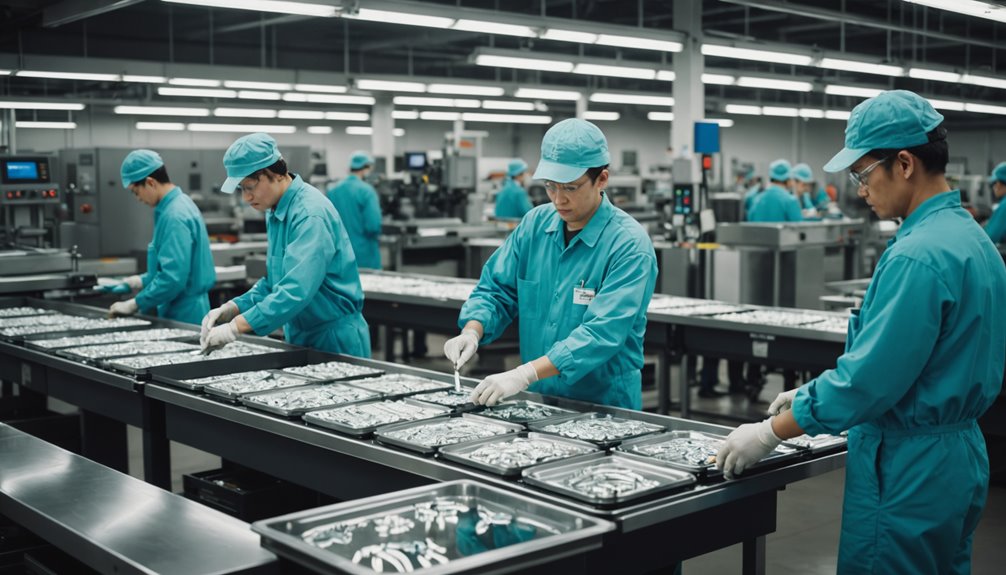
Throughput time is the total duration for a product to complete a process, and analyzing its components like cycle and wait times is essential for identifying bottlenecks and improving operational efficiency. Measuring and optimizing this metric enables businesses to streamline workflows, enhance productivity, and increase customer satisfaction.
When you think about throughput time, it's easy to overlook its significance in your production process. You might not realize how each component impacts your overall efficiency. By examining cycle times, wait times, and more, you can uncover hidden bottlenecks. Understanding these nuances can lead to substantial improvements in productivity. So, what are the key factors you should focus on to optimize your operations?
Understanding Throughput Time
Throughput time is the total time it takes for a product to move through a process, from the initial stage to completion. Understanding this concept helps you identify bottlenecks and inefficiencies in your workflow.
You'll want to consider each step a product undergoes, from raw materials to the final output. By analyzing the various stages, you can pinpoint delays and streamline operations. This includes evaluating processing times, waiting periods, and any potential downtime.
The goal is to minimize throughput time without sacrificing quality. When you grasp how throughput time works, you can optimize your processes, improve productivity, and enhance customer satisfaction. Additionally, applying Six Sigma methodologies can further enhance your ability to identify and eliminate inefficiencies.
In essence, it's about making your operations as efficient as possible while delivering value.
The Importance of Measuring Throughput Time
Measuring throughput time is vital for any business looking to improve its efficiency and productivity. By keeping track of this metric, you can identify bottlenecks in your processes and pinpoint areas that need improvement.
When you know how long it takes to complete tasks, you can streamline operations, reduce delays, and ultimately enhance customer satisfaction.
Additionally, understanding your throughput time helps in resource allocation; you can better manage staff, equipment, and materials based on demand. This data-driven approach enables you to make informed decisions, leading to increased profitability.
In short, measuring throughput time isn't just a number; it's a key to unlocking your business's potential and ensuring you stay competitive in today's fast-paced market.
Key Components of Throughput Time

Understanding the key components of throughput time is essential for optimizing your processes.
First, you've got the cycle time, which measures how long it takes to complete one unit of production.
Next, you need to consider setup time, the time required to prepare equipment or resources before production starts.
Then there's wait time, which includes any delays that occur between tasks.
Additionally, you should factor in processing time, the actual duration spent working on the product.
Lastly, inventory time is crucial, as it reflects how long items sit in stock before being processed or sold.
Factors Affecting Throughput Time
Several elements influence throughput time significantly, impacting the efficiency of your operations.
First, the complexity of your processes plays a crucial role; intricate tasks can slow down production.
Next, resource availability, including materials and labor, directly affects how quickly you can produce goods.
Your technology and equipment also matter—outdated machines can lead to delays.
Additionally, workforce training and skill levels contribute to how swiftly tasks are completed.
Communication within your team is another key factor; clear instructions can streamline workflows.
Lastly, demand fluctuations can either hasten or slow down throughput time, depending on whether you're ramping up or scaling back production. Furthermore, employee training is essential for enhancing process performance and ensuring that your workforce is equipped to handle operational challenges effectively.
Common Bottlenecks in the Production Process
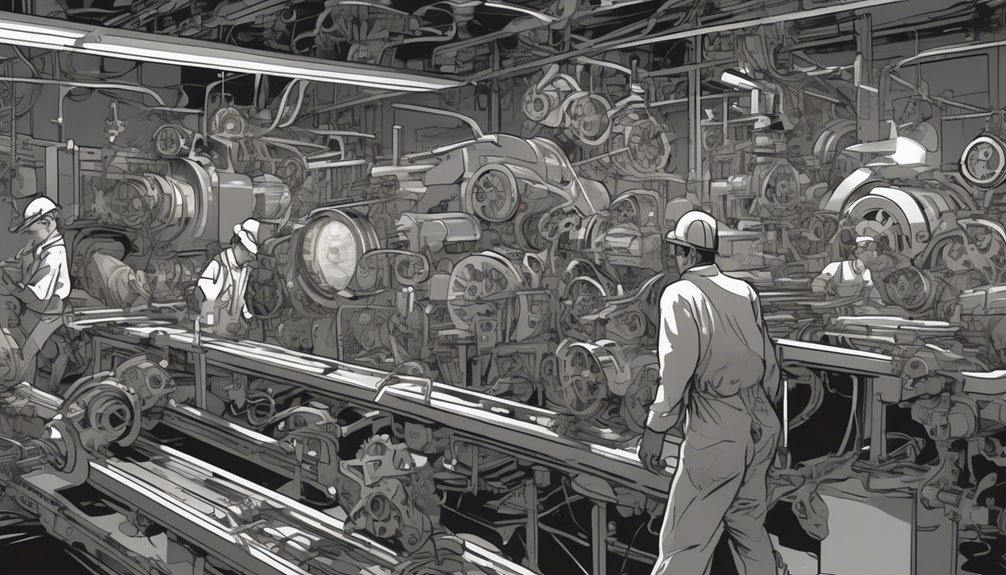
As you navigate the production process, you might encounter common bottlenecks that hinder efficiency and slow down throughput time.
One major issue is equipment failure, which can halt production altogether. If machines aren't properly maintained, breakdowns can lead to significant delays.
Another bottleneck is workforce limitations. When there aren't enough skilled workers available, tasks can take longer than anticipated.
Additionally, poor communication between departments can create misunderstandings, causing delays in the workflow.
Excessive inventory can also slow things down, as it takes time to manage and organize stock.
Lastly, inefficient processes or outdated technology can impede speed. Recognizing these bottlenecks is crucial to improving your production efficiency and enhancing overall throughput time, as data-driven methodologies can help identify and address these issues effectively.
Strategies for Reducing Throughput Time
To effectively reduce throughput time, it's essential to identify and implement targeted strategies that streamline your production process.
Start by analyzing your workflow to pinpoint bottlenecks and inefficiencies. Once identified, prioritize addressing these issues through process re-engineering or task delegation.
Encourage open communication among team members to enhance collaboration, which can speed up decision-making and reduce delays. Implement standard operating procedures to ensure consistency and reduce errors.
Additionally, consider cross-training employees, allowing them to handle multiple tasks and adapt to changing demands. Regularly review your processes to identify further improvement opportunities. Implementing Lean Six Sigma methodologies can provide a structured approach to achieving these improvements.
The Role of Technology in Optimizing Throughput Time

While refining processes and enhancing teamwork are vital for reducing throughput time, leveraging technology can take your efforts to the next level.
Tools like automation software streamline repetitive tasks, freeing your team to focus on more strategic activities. Real-time data analytics help you identify bottlenecks quickly, allowing for immediate adjustments.
Communication platforms enhance collaboration, ensuring everyone's on the same page and reducing misunderstandings. Additionally, project management tools can optimize workflows, making it easier to track progress and deadlines.
Case Studies: Successful Throughput Time Improvements
When companies tackle throughput time improvements, real-world examples often provide the best insights into effective strategies.
Take, for instance, a manufacturing firm that streamlined its assembly line. By implementing a just-in-time inventory system, they reduced excess stock, leading to a 30% decrease in throughput time.
Another example is a tech company that automated its software testing process, cutting down on manual checks. This shift not only improved speed but also enhanced product quality.
Lastly, a logistics provider revamped its routing software, optimizing delivery paths and reducing transit times significantly.
These case studies show how targeted changes can lead to substantial throughput time improvements, guiding you in making similar enhancements within your own organization.
Conclusion
In conclusion, understanding and measuring throughput time is essential for streamlining your production process. By identifying key components and recognizing common bottlenecks, you can implement effective strategies to reduce delays. Embracing technology can further enhance efficiency, helping you optimize operations and boost profitability. With focused efforts on improving throughput time, you'll not only enhance productivity but also maintain the quality of your products, ensuring a competitive edge in the market.