

One Piece Flow is a production method that processes one unit at a time to reduce lead times, minimize waste, and improve quality and flexibility.
When you think about efficiency in production, One Piece Flow stands out as a method worth considering. This approach emphasizes completing one unit at a time, which can lead to faster turnaround and higher quality. But what does that really mean for your operations? Understanding the principles behind it and how it compares to traditional methods could reshape your perspective on production efficiency. The challenges of implementation might surprise you, too.
Understanding One Piece Flow
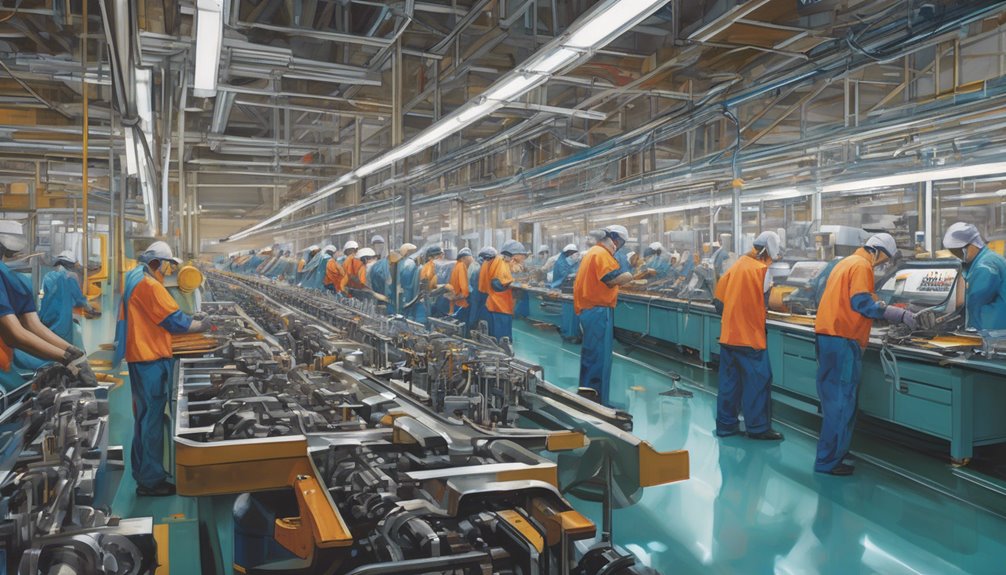
When you dive into the concept of One Piece Flow, you'll quickly see how it transforms the way work is organized. Instead of batching tasks, this method focuses on completing one unit of work at a time.
You'll find that it minimizes the time items spend in the system, leading to faster delivery and reduced waste. By promoting continuous movement, One Piece Flow encourages efficiency and quality, as each task receives full attention before moving to the next.
This approach also enhances communication among team members, fostering collaboration and problem-solving. Adopting One Piece Flow can revolutionize your workflow, making it more responsive and adaptable, ultimately benefiting both you and your customers.
Embracing this method can lead to significant improvements in productivity.
The Principles of One Piece Flow
Understanding the principles of One Piece Flow is crucial for optimizing your workflow and maximizing efficiency.
First, focus on reducing batch sizes. When you handle one item at a time, you cut down on waiting time and defects.
Next, ensure your processes are streamlined. This means minimizing unnecessary steps and keeping your workstations organized.
Third, implement continuous flow; aim for a seamless transition from one task to the next.
You should also maintain consistent pacing. By synchronizing team efforts, you'll avoid bottlenecks and maintain momentum.
Finally, always seek feedback and improvements. Regularly evaluating your processes helps you adapt and refine your approach, ensuring that your One Piece Flow system remains effective and responsive to changes in demand. Moreover, integrating Lean principles can further enhance your One Piece Flow by focusing on waste reduction in your processes.
Benefits of Implementing One Piece Flow
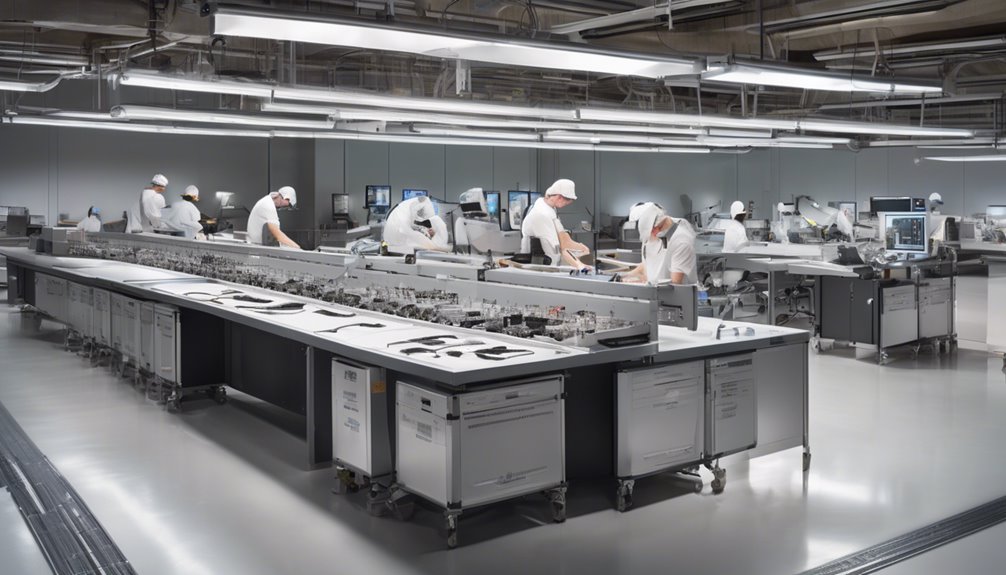
Implementing One Piece Flow brings numerous benefits that can significantly enhance your operations.
First, it reduces lead times, allowing you to respond quickly to customer demands. You'll notice improved quality since each item is completed before moving on, minimizing defects.
This method also promotes better resource utilization, cutting down on waste and unnecessary inventory. Employees become more engaged as they take ownership of their work, leading to higher morale and productivity.
Moreover, you'll find that communication within teams improves, as everyone's focused on a single task.
Lastly, One Piece Flow fosters a more flexible environment, enabling you to adapt quickly to changes in product design or customer preferences.
Altogether, these advantages position your operations for sustained success.
Comparing One Piece Flow to Traditional Methods
One Piece Flow stands in stark contrast to traditional batch processing methods, which often lead to longer lead times and increased inventory levels.
With traditional methods, you typically produce items in large groups, causing delays as you wait for each batch to complete. This can create bottlenecks, where resources sit idle, hindering efficiency.
In contrast, One Piece Flow emphasizes completing one item at a time, which streamlines the production process. You'll find that this approach minimizes work-in-progress inventory and reduces cycle times, making your operations more agile.
Additionally, it enhances quality control, as issues can be identified and resolved immediately.
Key Challenges in Adopting One Piece Flow
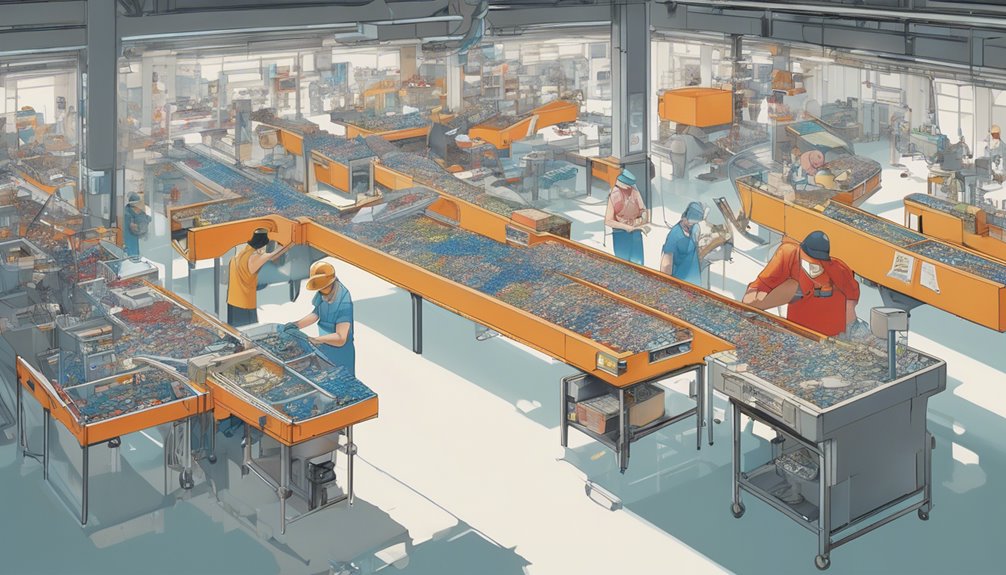
While transitioning to One Piece Flow can lead to significant improvements in efficiency, several challenges may arise during the adoption process.
You might encounter resistance from employees who are accustomed to traditional methods. This resistance can stem from fear of change or uncertainty about new processes.
Furthermore, aligning your team's mindset with the principles of One Piece Flow requires ongoing training and communication.
You'll also need to ensure that your workflow and layout support this method; any bottlenecks can undermine your efforts.
Lastly, measuring performance accurately during the transition can be tricky, as initial results may not reflect the long-term benefits.
Addressing these challenges head-on is essential for a successful implementation of One Piece Flow.
Steps to Implement One Piece Flow
To successfully implement One Piece Flow, start by assessing your current processes and identifying areas for improvement. Look for bottlenecks and inefficiencies that slow down your workflow.
Next, redesign your layout to support a smooth flow of materials and information, minimizing movement and wait times. Train your team on the principles of One Piece Flow, emphasizing the importance of working on one unit at a time.
You'll also want to establish clear communication channels to ensure everyone is on the same page.
Finally, continuously monitor and refine your processes, gathering feedback from your team to make further adjustments. By following these steps, you'll create a more efficient and responsive production environment.
Real-World Examples of One Piece Flow Success
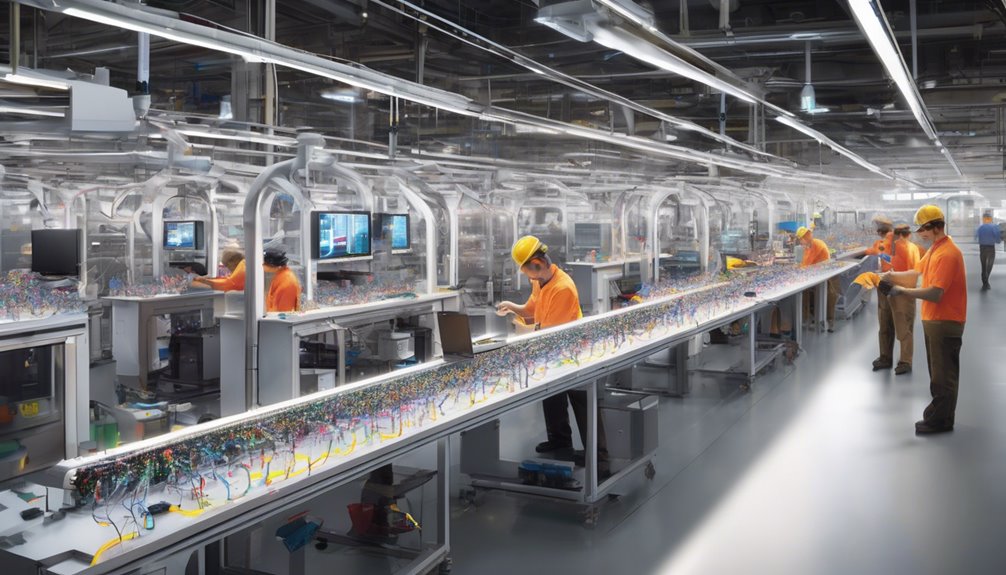
Success stories of One Piece Flow can be found across various industries, demonstrating its transformative impact on production efficiency.
For instance, Toyota revolutionized its assembly line by implementing one-piece flow, reducing lead time and minimizing waste.
In the electronics sector, companies like Dell adopted this approach, allowing for customized orders to be fulfilled more quickly and efficiently.
Even in healthcare, hospitals have utilized one-piece flow to streamline patient care, significantly cutting down wait times.
You can see similar successes in the food industry, where restaurants that embrace one-piece flow enhance service speed and customer satisfaction.
Each of these examples showcases how embracing one-piece flow can lead to remarkable improvements in operational performance and customer experience.
Measuring Success in One Piece Flow Implementation
Measuring the success of one-piece flow implementation involves several key performance indicators that directly reflect operational efficiency.
First, track cycle time to see how quickly products move through the process. A reduction in cycle time usually indicates a smoother flow.
Next, monitor work-in-progress (WIP) levels; lower WIP suggests better flow and less congestion.
You should also assess throughput, which measures the number of completed units in a given timeframe.
Additionally, evaluate quality metrics, as fewer defects signify improved processes.
Finally, consider employee engagement and satisfaction, since a motivated team often enhances flow efficiency.
Future Trends in One Piece Flow Practices
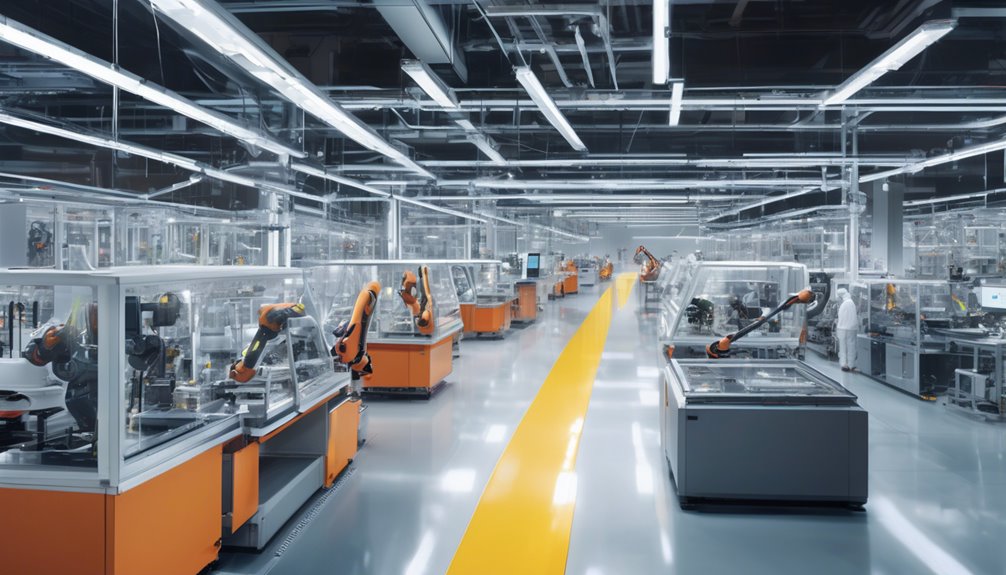
As businesses adapt to evolving market demands, future trends in one-piece flow practices are likely to prioritize automation and digital technologies.
You'll see more companies implementing advanced robotics and AI-driven systems to streamline processes and reduce lead times. These tools not only enhance efficiency but also improve flexibility, allowing you to respond quickly to changes in customer preferences.
Additionally, data analytics will play a crucial role in optimizing workflows, enabling you to identify bottlenecks and make informed decisions.
Emphasizing collaboration among teams will also be vital, as cross-functional communication fosters innovation.
Ultimately, embracing these trends will help you maintain a competitive edge and deliver higher quality products, all while minimizing waste in your operations.
Conclusion
In conclusion, embracing One Piece Flow can transform your production process by enhancing efficiency and quality. By focusing on individual units and fostering teamwork, you can quickly identify and address issues, leading to a more streamlined operation. While challenges may arise during implementation, the benefits far outweigh the hurdles. As you move forward, keep an eye on industry trends to continually improve your practices. Adopting this approach can truly elevate your organization's performance.