
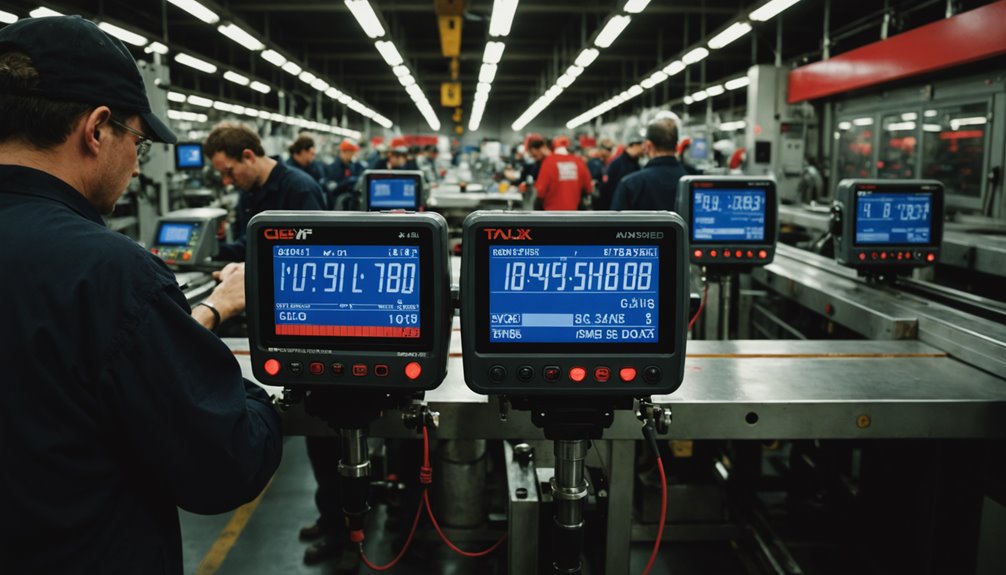
Takt time aligns production with customer demand, while cycle time measures the actual duration to complete a production cycle, both being essential for optimizing manufacturing efficiency.
When it comes to manufacturing, understanding the difference between takt time and cycle time is essential. You might think they're the same, but each serves a unique purpose in optimizing production. Takt time helps you align output with customer demand, while cycle time reveals how efficiently you're operating. Grasping these concepts can significantly impact your production strategy. So, how do they truly affect your workflow? Let's explore further.
Understanding Takt Time

Takt time is a crucial concept in lean manufacturing that helps you align production with customer demand. It represents the maximum allowable time to produce a product to meet that demand.
To calculate it, you'll divide the available production time by customer demand. For example, if you have 480 minutes available and need to produce 240 units, your takt time is two minutes per unit.
This metric keeps you focused on efficiency, ensuring you don't overproduce or underproduce. By understanding and applying takt time, you can better manage resources, reduce waste, and maintain a steady workflow.
Ultimately, it fosters a more responsive and productive environment, allowing you to meet customer expectations effectively and efficiently.
Understanding Cycle Time
Cycle time is vital for optimizing production processes, as it measures the total time it takes to complete one cycle of production, from start to finish. Understanding this metric helps you identify bottlenecks and inefficiencies in your workflow.
By tracking cycle time, you can pinpoint stages that take longer than expected and implement strategies to improve overall efficiency. This could involve adjusting workflows, reallocating resources, or investing in better technology.
Remember, shorter cycle times often lead to increased output and customer satisfaction. Regularly analyzing and adjusting your cycle time can enhance your competitive edge, ensuring you meet demand without sacrificing quality. Additionally, employing data-driven methodologies can further enhance your process improvements.
Embrace cycle time as a key indicator of your production performance and strive for continuous improvement.
The Importance of Takt Time in Manufacturing
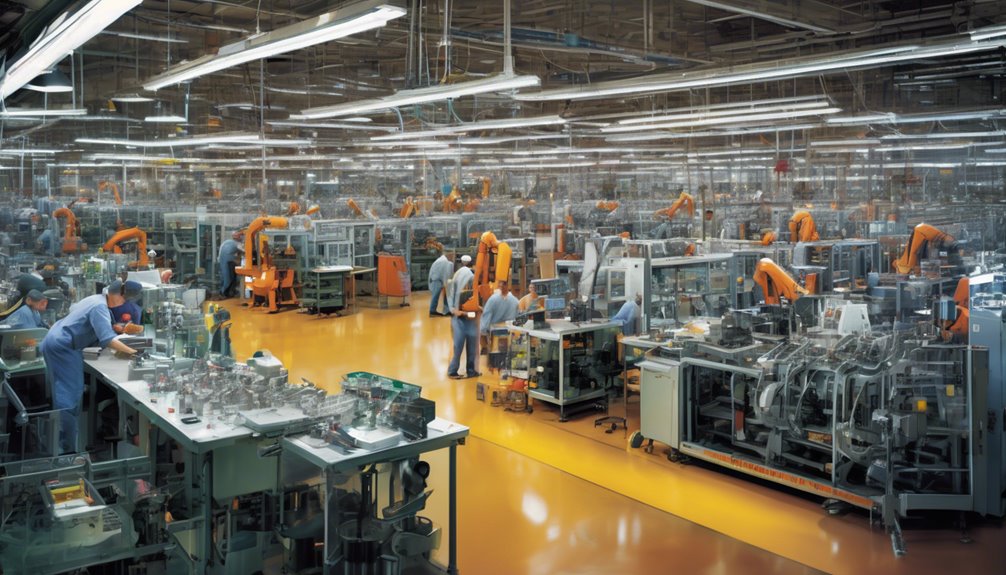
Understanding the importance of takt time in manufacturing can significantly enhance your production efficiency. Takt time helps you align your production pace with customer demand, ensuring you produce just the right amount without overburdening your resources.
By calculating takt time, you can identify bottlenecks and streamline processes, which boosts overall productivity. It also fosters a culture of continuous improvement, encouraging your team to identify inefficiencies and innovate solutions.
Furthermore, using takt time helps maintain quality, as a consistent rhythm allows for better focus on each task. When you grasp and apply takt time effectively, you create a balanced workflow that meets customer expectations while optimizing your manufacturing capabilities.
Ultimately, this leads to increased satisfaction for both your team and your customers.
The Importance of Cycle Time in Manufacturing
While both takt time and cycle time play crucial roles in manufacturing, cycle time focuses specifically on the total time it takes to produce a product from start to finish.
Understanding cycle time is vital for you as it directly impacts efficiency and productivity. By monitoring this metric, you can identify bottlenecks and streamline processes, ensuring you meet customer demands promptly.
Reducing cycle time can lead to lower production costs and increased competitiveness in the market. It also helps you assess the effectiveness of your workforce and equipment. Additionally, analyzing Defects Per Million Opportunities can further enhance your understanding of product quality and process efficiency.
Ultimately, keeping a close eye on cycle time enables you to make informed decisions that drive improvement and foster a culture of continuous enhancement within your manufacturing operations.
Key Differences Between Takt Time and Cycle Time

In manufacturing, knowing the difference between takt time and cycle time is key to optimizing production processes.
Takt time is the maximum amount of time you can spend on producing each unit to meet customer demand. It's a measure of how fast you need to produce to keep up with sales.
Cycle time, on the other hand, is the total time it takes to complete one full cycle of production, from start to finish. This includes processing time and delays.
While takt time focuses on demand, cycle time highlights efficiency. Understanding these differences helps you balance production rates and identify areas for improvement, ensuring you meet customer needs without overextending your resources.
How Takt Time Affects Production Planning
Takt time plays a crucial role in production planning by directly influencing how you allocate resources and schedule work.
By understanding your takt time, you can identify the pace at which you need to produce to meet customer demand. This helps you determine the right number of employees, machines, and materials required for each production cycle.
When you align your production processes with takt time, you minimize waste and enhance efficiency. It also allows you to quickly adjust your production schedule if demand fluctuates, ensuring you stay responsive to changes.
How Cycle Time Impacts Efficiency
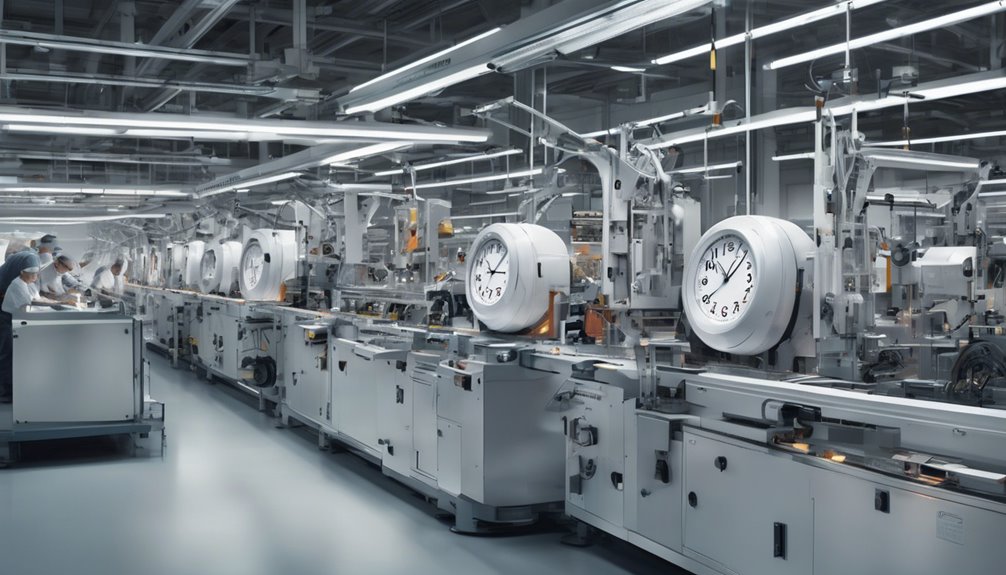
Understanding how cycle time impacts efficiency is vital for optimizing production processes. Cycle time measures the total time it takes to complete one cycle of production, including processing, waiting, and transport times.
By closely monitoring cycle time, you can identify bottlenecks and areas for improvement. If your cycle time is too long, it could indicate inefficiencies that slow down production, leading to delays and increased costs.
Conversely, a shorter cycle time often means higher productivity and better resource utilization. When you streamline cycle time, you're not just speeding up output; you're enhancing overall efficiency.
This directly affects customer satisfaction, as quicker production often leads to faster delivery, ensuring you meet market demands effectively. Additionally, reducing defects and variation in your processes can further enhance cycle time efficiency, contributing to improved overall performance.
Strategies for Optimizing Takt and Cycle Time
An effective approach to optimizing both takt and cycle time can significantly enhance your production process.
Start by analyzing your current workflows to identify bottlenecks. Streamline processes by eliminating waste and improving layout for better flow. Implement continuous improvement techniques, like kaizen, to foster a culture of efficiency among your team.
Next, balance workloads among workers to ensure everyone contributes equally, which helps meet the takt time. Use real-time data analytics to monitor performance; adjust as necessary to stay aligned with demand. Additionally, consider integrating lean principles to further enhance productivity and minimize waste in your operations.
Lastly, invest in training your workforce to enhance skills and adaptability. By following these strategies, you'll create a more efficient environment that meets production goals while maintaining quality standards.
Conclusion
In summary, grasping the differences between takt time and cycle time is essential for any manufacturer. By understanding these concepts, you can better align production with customer demand while identifying workflow inefficiencies. Optimizing both metrics allows you to enhance efficiency, improve production planning, and ultimately boost customer satisfaction. So, take the time to analyze your processes and implement strategies that harmonize takt and cycle time for a more effective manufacturing operation.