

Lean methodology focuses on eliminating waste to streamline processes, while Six Sigma uses data-driven techniques to reduce defects and variation.
When it comes to enhancing organizational efficiency, Lean and six sigma often come up in conversation. Both methodologies aim to improve processes, but they approach this goal differently. Lean focuses on eliminating waste, while Six Sigma emphasizes reducing defects. Understanding their unique principles and tools can help you decide which method suits your needs. But how do these approaches truly complement each other in driving effective change? Let's explore further.
Overview of Lean Methodology

Lean methodology focuses on maximizing value by minimizing waste, ensuring that every step in a process contributes to the end goal.
You'll find that Lean emphasizes efficiency, streamlining operations, and enhancing customer satisfaction. By identifying non-value-added activities, you can eliminate redundancies and optimize workflow.
In practice, you'll implement techniques like value stream mapping to visualize processes and pinpoint areas for improvement.
Moreover, Lean encourages a culture of continuous improvement, inviting feedback from team members to foster innovation. You'll also use tools such as the 5S system to organize workspaces effectively.
Ultimately, Lean empowers you to deliver high-quality products or services more quickly and at lower costs, giving you a competitive edge in today's fast-paced business environment. Additionally, the integration of Lean Six Sigma combines waste reduction with defect minimization to enhance overall process efficiency.
Overview of Six Sigma Methodology
While Lean methodology emphasizes efficiency and waste reduction, Six Sigma takes a more data-driven approach to process improvement.
You'll find it focuses on reducing variation and defects in processes, using statistical tools and techniques. The methodology often follows the DMAIC framework: Define, Measure, Analyze, Improve, and Control.
In the Define phase, you identify the problem and project goals. Then, you Measure key aspects of the current process to gather relevant data.
During Analyze, you pinpoint the root causes of defects. In the Improve phase, you implement solutions, and finally, Control ensures sustained improvements. Additionally, the DMAIC model provides a clear framework for systematic process improvement.
Key Principles of Lean

Efficiency is the cornerstone of Lean methodology, which focuses on streamlining processes to eliminate waste and maximize value.
You'll want to identify value from the customer's perspective, ensuring that every step in your process adds worth.
Next, map out your workflow to visualize where inefficiencies lie. By doing this, you can pinpoint areas for improvement.
Adopting a pull system allows you to produce only what's needed, reducing excess inventory and costs.
Empower your team to take ownership of their work, fostering a culture of continuous improvement.
Lastly, embrace the practice of regular reflection, adjusting processes based on feedback and results. Additionally, understanding the DMAIC structured approach can further enhance your Lean initiatives by providing a systematic way to achieve process improvements.
Key Principles of Six Sigma
Six Sigma is fundamentally about reducing variation and improving quality in processes. At its core, it emphasizes a data-driven approach to identify and eliminate defects. You focus on understanding customer needs and aligning processes to meet those expectations.
By applying the DMAIC framework—Define, Measure, Analyze, Improve, and Control—you systematically tackle problems and enhance performance.
Another key principle is the emphasis on continuous improvement. You're encouraged to foster a culture where team members consistently seek ways to optimize processes.
Moreover, Six Sigma promotes strong teamwork and collaboration, ensuring everyone contributes to quality initiatives. By prioritizing training and certification, you empower individuals with the skills needed to drive change.
Ultimately, Six Sigma equips you to create sustainable improvements in your organization, leveraging strong teamwork and collaboration to ensure collective success in quality initiatives.
Tools and Techniques Used in Lean
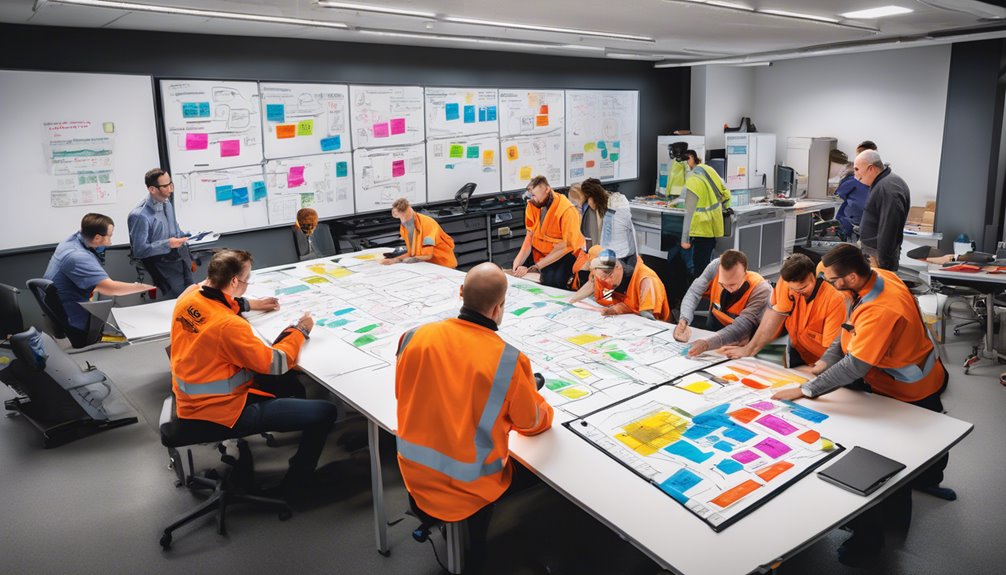
To optimize processes and eliminate waste, Lean employs a variety of tools and techniques that enhance workflow and productivity.
One of the key tools is the Value Stream Mapping, which helps you visualize your processes and identify areas for improvement.
You can also utilize the 5S methodology—Sort, Set in order, Shine, Standardize, and Sustain—to create an organized workspace.
Kaizen, or continuous improvement, encourages your team to make incremental changes that lead to significant benefits over time.
Additionally, Just-In-Time (JIT) production minimizes inventory costs and enhances efficiency. Furthermore, Lean principles emphasize value creation by identifying what is important to customers, ensuring that all efforts are aligned with delivering maximum value.
Tools and Techniques Used in Six Sigma
When tackling process improvement, Six Sigma employs a robust set of tools and techniques designed to reduce defects and enhance quality. One key method is DMAIC, which stands for Define, Measure, Analyze, Improve, and Control. This structured approach helps you identify problems and implement solutions effectively.
You'll also find tools like Fishbone Diagrams for root cause analysis, and Control Charts to monitor process variations. Statistical Process Control (SPC) ensures consistency in your processes by analyzing data.
Additionally, Failure Mode and Effects Analysis (FMEA) helps you anticipate potential failures and mitigate risks. By utilizing these tools, you empower yourself to drive significant improvements, ensuring that your processes are efficient and meet customer expectations consistently. The DMAIC phases of improvement provide a systematic framework for problem-solving and measurable enhancements.
Benefits of Implementing Lean

Implementing Lean can significantly enhance your organization's efficiency and responsiveness, as it focuses on eliminating waste and streamlining processes. By adopting Lean principles, you'll notice reduced cycle times, allowing you to deliver products and services faster.
You'll also improve quality, as Lean emphasizes continuous improvement and employee involvement.
Moreover, Lean fosters a culture of teamwork, encouraging communication and collaboration among staff. This not only boosts morale but also empowers employees to identify inefficiencies and suggest improvements.
Additionally, Lean can lead to cost savings by minimizing excess inventory and resources.
Ultimately, you'll create a more agile organization, better equipped to adapt to changing market demands while enhancing customer satisfaction. Embracing Lean can transform how your organization operates. Furthermore, integrating Lean with Six Sigma principles can enhance overall process effectiveness and quality management.
Benefits of Implementing Six Sigma
While Lean focuses on eliminating waste, Six Sigma targets reducing variation and improving quality.
By implementing Six Sigma, you can enhance customer satisfaction through consistent, high-quality products or services. This methodology empowers you to identify and eliminate defects, leading to fewer errors and reduced rework costs.
You'll also see improved efficiency, as streamlined processes save time and resources. Six Sigma fosters a culture of continuous improvement, encouraging your team to engage in problem-solving and innovation. Additionally, data-driven decision-making becomes second nature, allowing you to base actions on solid evidence rather than assumptions.
Conclusion
In conclusion, Lean and Six Sigma each offer unique strengths that can significantly enhance your organization's efficiency and quality. By understanding their principles and tools, you can effectively address waste and variation, leading to improved processes and customer satisfaction. Integrating both methodologies allows for a comprehensive approach to process improvement, ensuring you maximize value while maintaining high standards. Embracing Lean and Six Sigma together can set you on the path to sustainable success and operational excellence.