
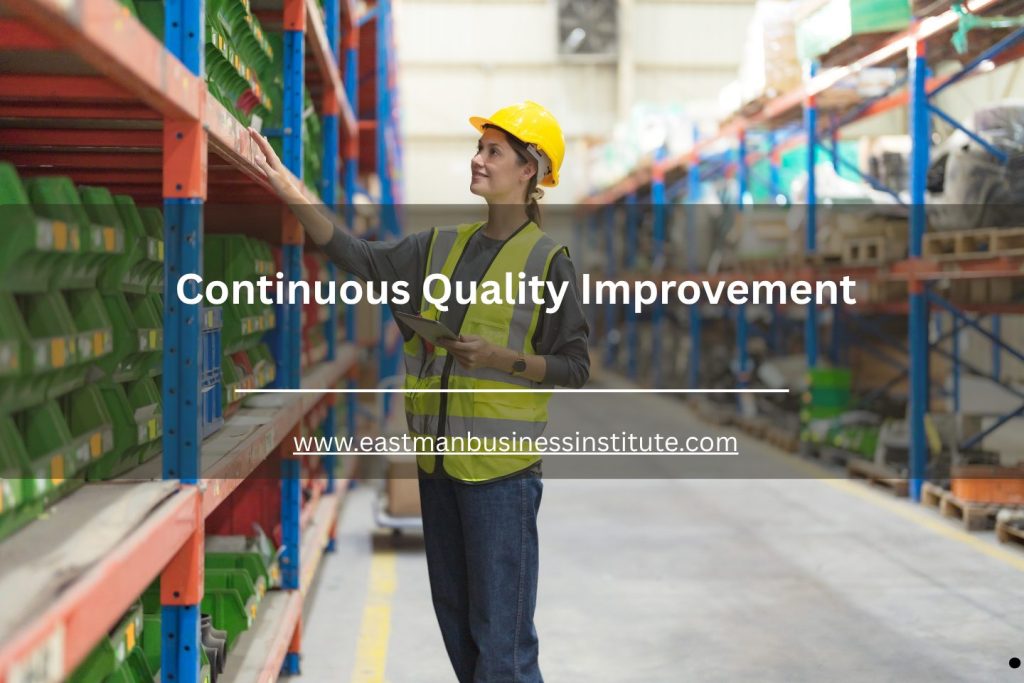

Continuous Quality Improvement (CQI) is essential for organizations aiming to enhance their processes and outcomes. By focusing on customer satisfaction and teamwork, you can identify inefficiencies and create solutions. Implementing CQI isn’t just about making changes; it’s about fostering a culture of ongoing improvement. As you explore the key principles and strategies of CQI, you’ll discover how these practices can transform your organization and drive lasting success. What’s your next step?
Continuous Quality Improvement (CQI) is a mindset and method for organizations to continuously assess and refine processes, using data-driven decisions and teamwork to enhance outcomes and customer satisfaction. By embracing key principles like collaboration and ongoing learning, CQI fosters a culture of sustainable improvement that reduces costs and drives lasting success.
Understanding Continuous Quality Improvement

Continuous Quality Improvement (CQI) embodies the pursuit of excellence in processes and outcomes.
You’ll find that CQI isn’t just a method; it’s a mindset. It encourages you to constantly assess and refine your work, ensuring that every step leads to better results.
By embracing CQI, you actively engage in identifying areas needing improvement, using data to inform your decisions. You’ll also collaborate with your team, fostering a culture where feedback is valued, and innovation thrives.
This approach helps you adapt to changes swiftly, ensuring that your processes remain effective and relevant. Additionally, integrating continuous improvement principles can enhance your ability to achieve sustainable quality enhancements.
Ultimately, understanding CQI means recognizing that the journey toward quality is ongoing, requiring commitment and a willingness to evolve continuously for the benefit of everyone involved.
Key Principles of CQI
While striving for quality, you’ll discover that several key principles underpin Continuous Quality Improvement (CQI).
First, focus on customer needs; understanding what your customers value is essential.
Next, embrace a culture of collaboration; teamwork fosters innovation and problem-solving.
You’ll also want to rely on data-driven decision-making; using metrics helps identify areas for improvement.
Additionally, prioritize process orientation; enhancing processes leads to better outcomes.
Finally, commit to ongoing learning; CQI is a journey, and adapting is crucial.
Incorporating Six Sigma methodologies can significantly enhance your approach to continuous quality improvement.
By applying these principles, you’ll create an environment that not only seeks quality but also sustains it over time.
Embrace these foundational ideas, and you’ll pave the way for successful quality improvement initiatives in your organization.
Benefits of Implementing CQI

Implementing Continuous Quality Improvement (CQI) brings numerous advantages that can significantly enhance your organization.
First, it fosters a culture of collaboration and engagement among your team, motivating everyone to contribute to shared goals.
You’ll notice improved processes and efficiency, as CQI encourages regular evaluation and adaptation. This leads to higher-quality outcomes and increased customer satisfaction, helping you build stronger relationships with clients.
Additionally, CQI can reduce costs by identifying waste and optimizing resource use.
You’ll also benefit from enhanced employee morale, as team members feel their input matters.
Ultimately, embracing CQI positions your organization for sustained success, allowing you to adapt to changes and continuously improve in a competitive landscape. Moreover, implementing CQI aligns with the continuous improvement principles of Six Sigma, ensuring a structured approach to enhancing quality.
The Role of Leadership in CQI
Effective leadership is crucial for the success of Continuous Quality Improvement (CQI) initiatives within any organization. As a leader, you set the tone and vision for CQI efforts, motivating your team to embrace change.
You need to foster a culture of trust and open communication, encouraging everyone to share their ideas and concerns. Your commitment to quality improvement shows your team that it’s a priority.
Empowering employees to take ownership of their roles in CQI will lead to greater innovation and accountability. Additionally, you must ensure resources are allocated effectively, supporting teams in their improvement efforts. Strong leadership drives Six Sigma initiatives, which can significantly enhance the overall quality and efficiency of processes within the organization.
Tools and Techniques for CQI

Leadership lays the groundwork for Continuous Quality Improvement (CQI) initiatives, but it’s the right tools and techniques that drive those efforts forward.
Start by utilizing data collection methods like surveys and performance metrics to identify areas needing improvement. Employ process mapping to visualize workflows and pinpoint inefficiencies. Techniques like the Plan-Do-Study-Act (PDSA) cycle help you implement changes in a structured manner.
Lean methodologies can streamline processes by eliminating waste, while Six Sigma focuses on reducing variation and improving quality. Don’t forget about root cause analysis to tackle underlying issues. Additionally, incorporating data-driven decision-making can enhance the effectiveness of your CQI efforts.
Engaging your team in brainstorming sessions can foster innovative solutions. By leveraging these tools effectively, you’ll create a robust CQI framework that enhances your organization’s performance and outcomes.
Creating a Culture of Continuous Improvement
Creating a culture of continuous improvement starts with fostering an environment where everyone feels empowered to contribute ideas and feedback.
Encourage open communication, where team members can voice concerns or suggest enhancements without fear of criticism. Recognize and celebrate contributions, no matter how small; this builds morale and motivates others to engage.
Provide training and resources that help employees understand improvement processes and the importance of their roles. Establish regular meetings to discuss progress and share best practices, creating a sense of shared ownership.
Lastly, lead by example—when leadership actively participates in improvement initiatives, it signals their commitment to the culture. This commitment to employee engagement enhances overall productivity and innovation.
With these steps, you’ll cultivate a thriving atmosphere that prioritizes innovation and ongoing development.
Measuring Success in CQI Initiatives
To truly gauge the impact of your continuous quality improvement (CQI) initiatives, you need to implement reliable metrics and evaluation processes.
Start by identifying key performance indicators (KPIs) that align with your goals. These KPIs could include customer satisfaction scores, process efficiency, or error rates.
Regularly collect and analyze data to track progress and pinpoint areas for improvement. Don’t forget to involve your team in the evaluation process; their insights can be invaluable.
Using tools like dashboards can help visualize your data, making it easier to communicate results.
Additionally, incorporating Defects Per Million Opportunities (DPMO) is essential for understanding the defect rate in your processes.
Finally, be prepared to adapt your strategies based on what the data reveals. Measuring success isn’t just about numbers; it’s about fostering a culture of learning and continuous improvement.
Case Studies of Effective CQI Implementation
While many organizations recognize the importance of continuous quality improvement (CQI), only a few effectively implement it.
Take, for example, a hospital that revamped its patient discharge process. By involving staff from various departments, they identified bottlenecks and streamlined communication, which reduced readmission rates by 20%.
Another case involves a manufacturing company that adopted CQI principles to enhance product quality. They established cross-functional teams that analyzed production data, leading to a 15% decrease in defects.
These examples show how engaging employees at all levels and fostering a culture of collaboration can lead to significant improvements. Implementing Lean Six Sigma can further enhance these efforts by providing a structured approach to process optimization.
When you commit to CQI, you not only enhance processes but also create a more efficient and satisfied workforce.
Conclusion
Incorporating Continuous Quality Improvement into your organization can transform your processes and outcomes. By embracing a culture of collaboration and innovation, you can not only meet customer needs but also foster a motivated workforce. Remember, success in CQI comes from strong leadership, effective tools, and a commitment to continuous learning. As you measure your progress and celebrate improvements, you’ll see how CQI can lead to lasting changes that enhance quality and reduce costs.
Frequently Asked Questions
What is Continuous Quality Improvement training?
Continuous Quality Improvement training teaches professionals how to identify inefficiencies, improve workflows, reduce errors, and create better business processes using proven improvement methods such as Lean and Six Sigma.
Who should take a Continuous Quality Improvement course?
A Continuous Quality Improvement course is ideal for managers, supervisors, healthcare professionals, manufacturing teams, customer service leaders, and anyone responsible for improving operational performance and productivity within an organization.
What skills are learned in Continuous Quality Improvement training?
Participants typically learn process mapping, root cause analysis, workflow optimization, problem-solving strategies, performance measurement, and continuous improvement methodologies such as DMAIC, Lean, and Kaizen.
How does Continuous Quality Improvement benefit organizations?
Continuous Quality Improvement helps organizations increase efficiency, reduce waste, improve customer satisfaction, strengthen employee engagement, and create long-term operational consistency through ongoing process enhancements.
Can Continuous Quality Improvement certifications help career growth?
Yes. Continuous Quality Improvement certifications can strengthen professional credentials, improve leadership opportunities, increase earning potential, and demonstrate expertise in process improvement and quality management practices.