

Quick Response Manufacturing (QRM) is a strategy focused on reducing lead times and increasing flexibility to enhance operational agility and customer satisfaction.
In today's fast-paced market, you might find that traditional manufacturing methods just aren't cutting it anymore. Quick Response Manufacturing (QRM) offers a fresh perspective by focusing on lead time reduction and flexibility. By embracing QRM, you can enhance responsiveness and boost customer satisfaction. But what does it really take to implement these strategies effectively? The next steps could change the way you approach production forever.
Understanding the Principles of Quick Response Manufacturing
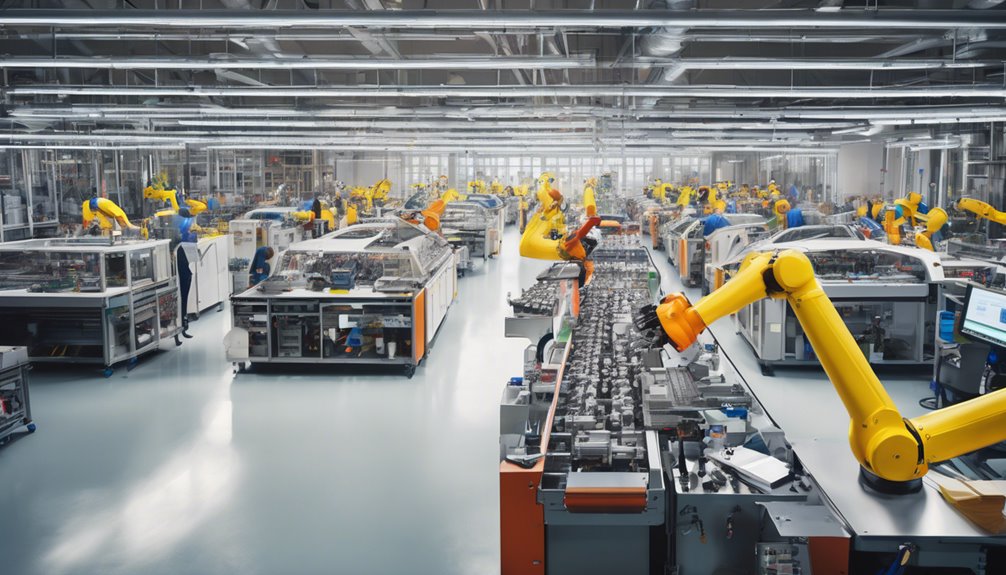
When you grasp the principles of Quick Response Manufacturing (QRM), you unlock the potential to significantly reduce lead times and enhance customer satisfaction.
QRM emphasizes the importance of speed in every aspect of your operations, transforming how you think about production and supply chain management. You'll learn to identify and eliminate non-value-added activities, streamlining processes to achieve quicker turnaround times.
By focusing on cross-functional teams, you foster collaboration, ensuring everyone is aligned towards a common goal. Embracing the concept of "time-based competition," you'll prioritize responsiveness over traditional efficiency metrics.
Moreover, you'll adapt your strategies to meet varying customer demands, allowing you to stay ahead in a fast-paced market. Understanding these principles lays the foundation for successful QRM implementation.
Key Benefits of Implementing QRM Strategies
Implementing Quick Response Manufacturing (QRM) strategies can significantly enhance your organization's agility and responsiveness to market demands. By streamlining processes, you'll reduce lead times, allowing you to deliver products faster and meet customer expectations more effectively. This increased speed can lead to higher customer satisfaction and loyalty, ultimately boosting your sales.
Moreover, QRM encourages cross-functional collaboration, breaking down silos within your teams. This collaboration fosters innovation and creative problem-solving, enabling you to adapt quickly to changes in the market.
Additionally, by focusing on smaller batch sizes, you'll minimize waste and optimize resource utilization. Embracing QRM not only positions you to respond swiftly but also enhances overall operational efficiency, giving you a competitive edge in today's fast-paced business landscape.
Steps to Integrate QRM Into Your Operations

To truly harness the benefits of Quick Response Manufacturing (QRM), integrating its principles into your operations is key.
Start by assessing your current processes to identify areas that could benefit from quicker response times. Next, form a cross-functional team to drive QRM initiatives, ensuring collaboration across departments.
Then, train your staff on QRM principles, emphasizing the importance of reducing lead times and increasing flexibility. Implement cellular manufacturing layouts to streamline workflows and enhance communication.
Additionally, utilize technology to track performance metrics and identify bottlenecks in real time. Finally, continuously review and refine your practices, fostering a culture of continuous improvement.
Real-World Examples of QRM Success
Numerous companies have successfully adopted Quick Response Manufacturing (QRM) principles, demonstrating the tangible benefits of this approach.
For instance, a Midwest machine shop reduced lead times by 50% after implementing QRM strategies, allowing them to respond more quickly to customer demands.
Similarly, a custom furniture manufacturer streamlined its production process, cutting down on waste and enhancing flexibility, which led to a 30% increase in customer satisfaction.
You can also look at a tech startup that accelerated its product development cycles by integrating QRM, enabling them to launch new features in record time.
These examples showcase how embracing QRM not only improves efficiency but also positions companies to better meet market needs and gain a competitive edge.
Challenges and Solutions in Adopting QRM

While the benefits of Quick Response Manufacturing (QRM) are clear, organizations often face significant challenges when trying to implement this approach. You might struggle with resistance to change, as employees may be accustomed to traditional practices.
To overcome this, foster a culture that embraces flexibility and continuous improvement. Additionally, training is crucial; without it, your team could lack the necessary skills to adapt. Consider investing in workshops and mentoring programs.
Lastly, coordinating across departments can be tricky. Establish regular communication channels to ensure everyone is aligned with QRM goals.
Conclusion
Incorporating Quick Response Manufacturing into your operations can transform how you approach production and supply chain management. By focusing on reducing lead times and enhancing flexibility, you can boost customer satisfaction and drive innovation. While challenges may arise during adoption, the benefits far outweigh them. Embrace QRM, and you'll not only streamline your processes but also gain a competitive edge in today's fast-paced market. Start your journey towards a more responsive and efficient operation today!