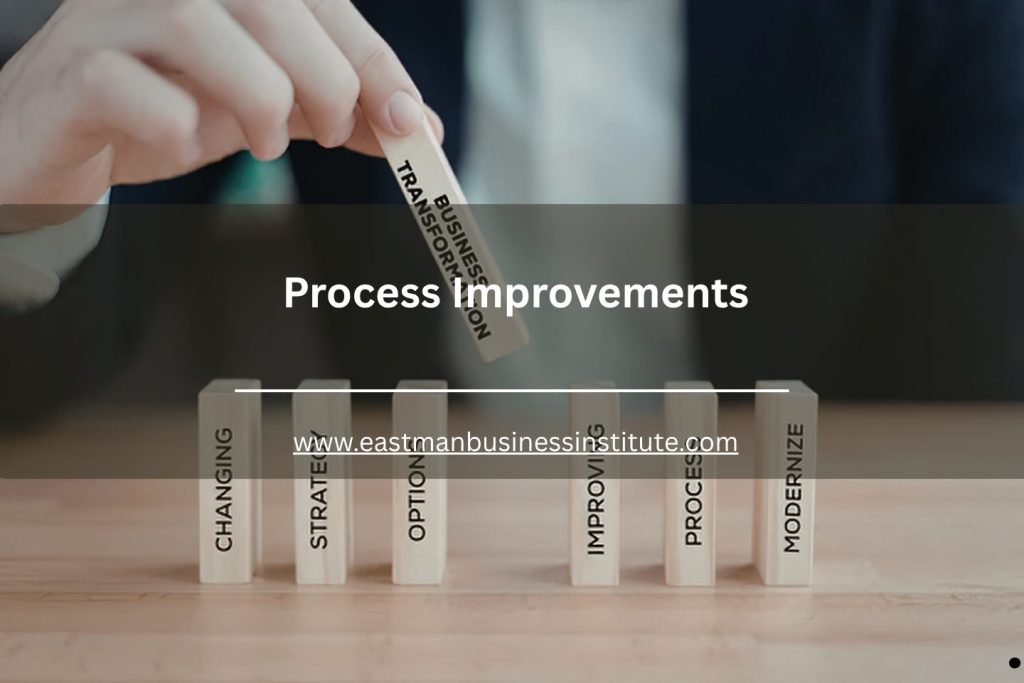

Identifying bottlenecks and engaging your team are key to improving operational efficiency, with technology playing a transformative role in streamlining workflows and reducing waste.
When you think about process improvements, you might realize they’re crucial for operational efficiency. Identifying bottlenecks in workflows can lead to significant gains. Engaging your team in this journey can uncover insights you may have overlooked. But what are the best strategies to implement these changes effectively? The answers might surprise you, especially when considering how technology can play a role in this transformation. Let’s explore these aspects further.
Understanding Process Improvement
When you delve into understanding process improvement, it’s essential to recognize that it’s not just about making changes but about enhancing efficiency and effectiveness in your operations.
You need to analyze current workflows, identify bottlenecks, and understand your team’s capabilities. By focusing on these aspects, you can streamline processes, reduce waste, and improve overall performance.
It’s also crucial to involve your team in this journey; their insights can provide valuable perspectives that lead to innovative solutions. Embracing a culture of continuous improvement encourages everyone to seek out ways to enhance their work. Moreover, incorporating lean management techniques can significantly aid in optimizing your operations and driving positive change.


Identifying Areas for Improvement
To effectively identify areas for improvement, you must first assess your current processes and gather data on their performance.
Look for key metrics that indicate efficiency, quality, and customer satisfaction. Analyze this data to pinpoint bottlenecks, redundancies, or any inconsistencies that may hinder progress.
Engage with team members to gain insights into their experiences and challenges; their perspectives can highlight issues you might overlook.
Conduct regular reviews of your processes to ensure they align with your goals and adapt as needed.
Prioritize areas that will have the greatest impact on your overall performance. Moreover, implementing a systematic framework will help guide your improvement efforts effectively. For example, a process audit using value stream mapping can visually expose non-value-added activities that often go unnoticed in daily operations.
Engaging Employees in the Process
Engaging employees in the improvement process not only fosters a sense of ownership but also taps into their valuable insights and experiences.
When you involve your team, you encourage them to share their ideas and perspectives, which can lead to innovative solutions. It’s essential to create an open environment where everyone feels comfortable voicing their thoughts.
Regular feedback sessions and brainstorming meetings can help gather diverse viewpoints. Additionally, recognizing and rewarding contributions boosts morale and motivates your team to participate actively.
By empowering employees to take part in improvements, you’re not just enhancing processes; you’re building a collaborative culture that drives success. Moreover, fostering employee engagement can significantly enhance productivity and job satisfaction within your organization.
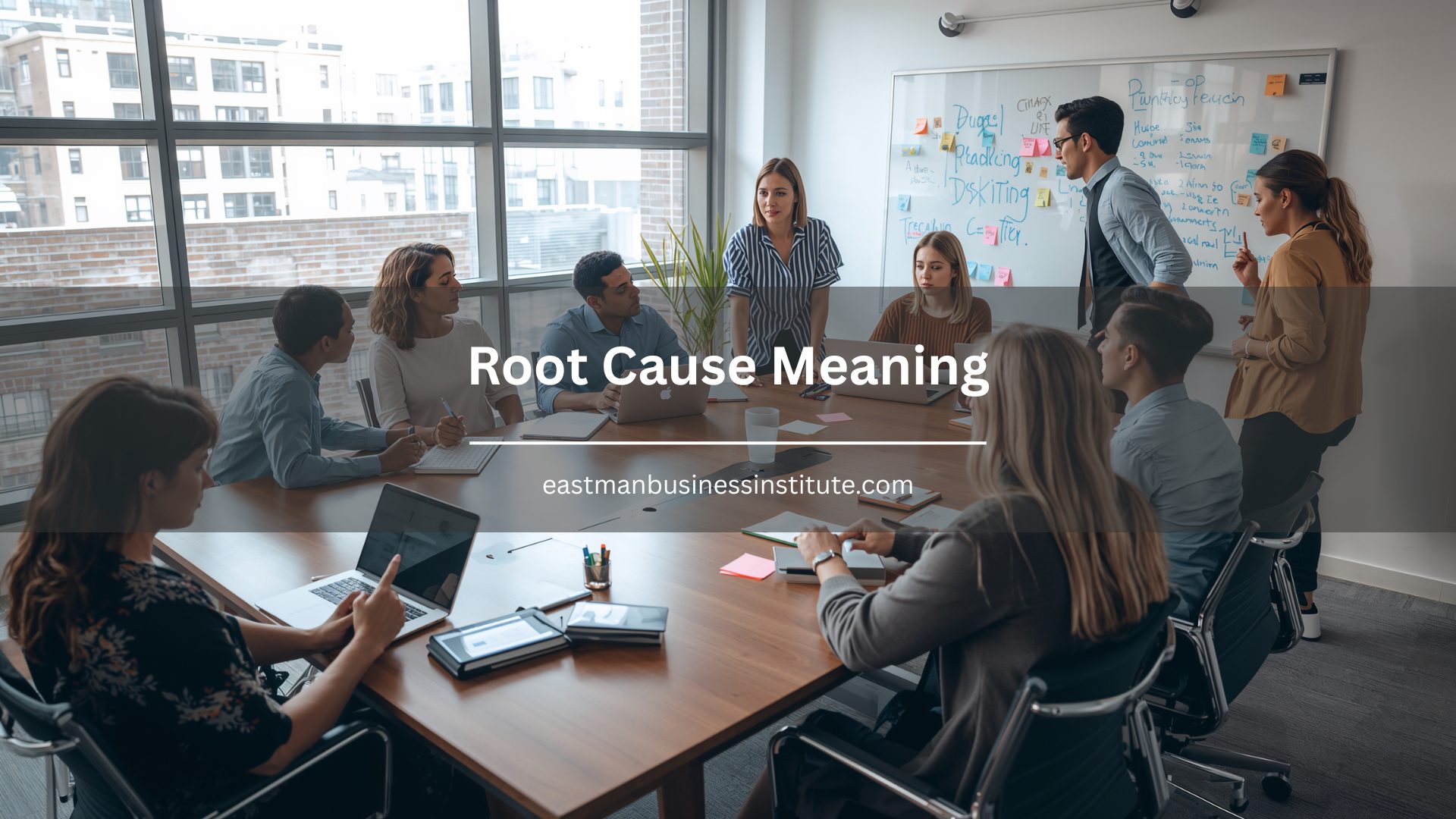
Utilizing Technology for Efficiency
While many organizations strive for efficiency, leveraging technology can significantly enhance your processes. By implementing tools like project management software, you can streamline communication and keep your team on track.
Automation is another game changer; it reduces repetitive tasks and minimizes errors. For instance, using chatbots for customer inquiries frees up your staff to focus on complex issues.
data analytics also plays a crucial role; it helps you identify bottlenecks and areas for improvement. Embracing cloud-based solutions allows for seamless collaboration, enabling your team to work from anywhere.
Don’t forget about integrating tools that enhance productivity, such as time-tracking applications. By adopting these technologies, you’ll not only boost efficiency but also foster a more agile and responsive organization. Additionally, utilizing data-driven approaches can help pinpoint specific areas in need of improvement. Process mining software, for instance, can automatically reconstruct process flows from event logs, revealing deviations and inefficiencies that manual analysis would miss.
Measuring Success and Impact
How do you know if your process improvements are truly effective? The best way is to establish clear, measurable goals before implementing changes.
track key performance indicators (kpis) related to your objectives, like productivity rates, error reduction, or customer satisfaction. Use data analytics tools to gather insights and visualize trends over time. Regularly review these metrics to see if you’re meeting your targets.
Additionally, gather feedback from team members and stakeholders to understand their perspectives on the changes. This qualitative data can provide valuable context to your quantitative results. Incorporating Six Sigma metrics can further enhance your ability to measure and analyze process performance effectively. Benchmarking against industry standards from sources like the Baldrige Performance Excellence Program can provide an external reference point for your performance targets.
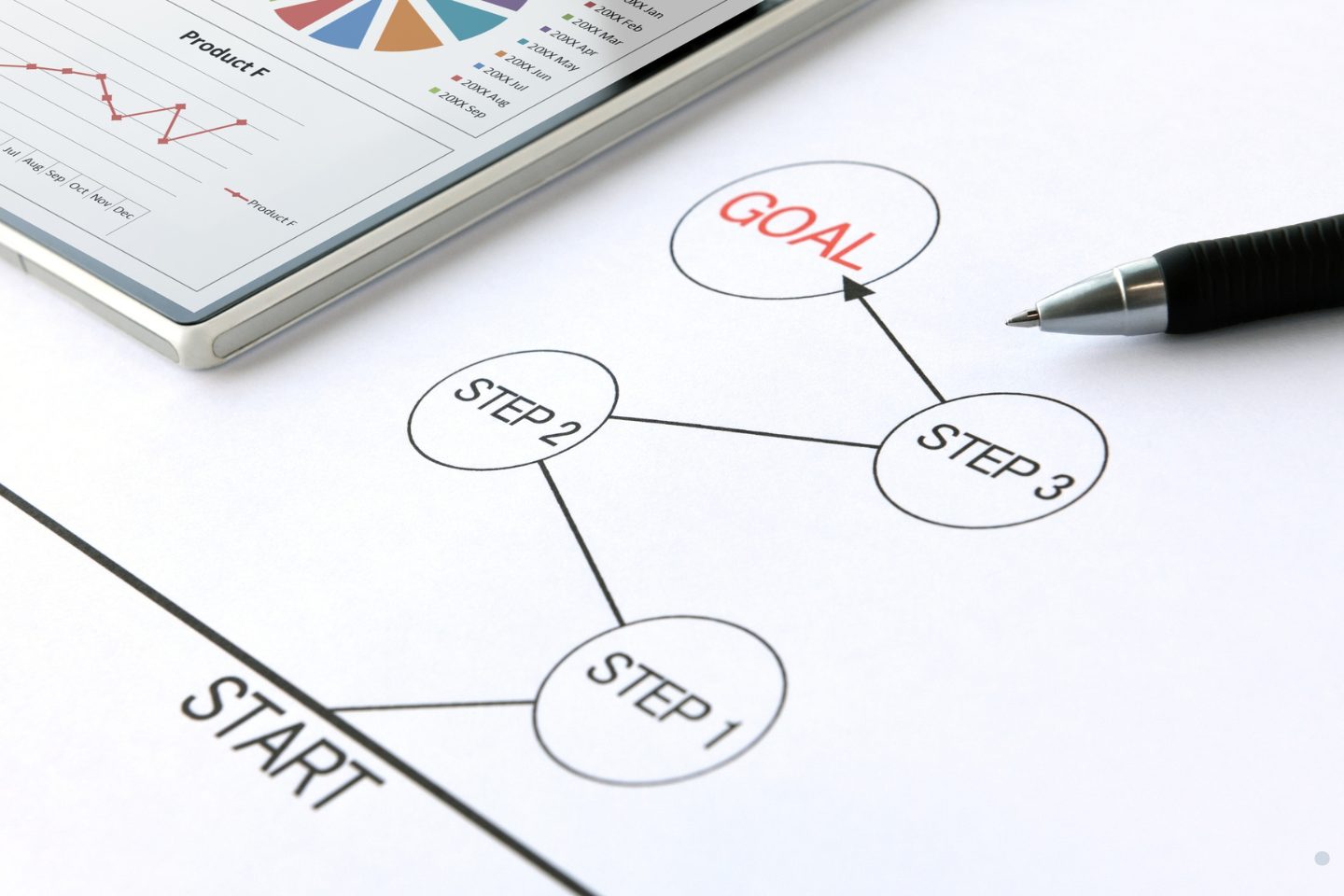
Overcoming Resistance to Change
Even with clear metrics in place to measure the success of your process improvements, you may encounter resistance from team members who are hesitant to embrace change.
To overcome this, start by engaging them in open conversations. Listen to their concerns and validate their feelings. Explain the benefits of the changes not just for the organization, but for them personally.
Encourage participation in the process, allowing team members to contribute ideas and solutions. Recognize and celebrate small wins to build momentum and demonstrate progress.
Providing training and support can also ease transitions, making individuals feel more confident in adapting to new practices. Additionally, incorporating strong leadership during the change process can inspire confidence and encourage buy-in from team members.
Ultimately, fostering a culture of trust and transparency can significantly reduce resistance and pave the way for successful implementation. Change management frameworks, such as those outlined by the U.S. Office of Personnel Management, emphasize the importance of communication and stakeholder involvement at every stage of the transition.
Continuous Improvement Practices
To foster a culture of continuous improvement, it’s crucial to implement practices that encourage ongoing evaluation and refinement of processes.
Start by establishing regular feedback loops. Encourage your team to share insights and suggestions openly. Use tools like Plan-Do-Check-Act (PDCA) cycles to systematically test changes and assess their impact.
Set measurable goals and track progress to identify areas for enhancement. Promote a mindset where mistakes are viewed as learning opportunities rather than failures.
Engage your team in brainstorming sessions to generate innovative ideas and solutions. Lastly, celebrate small wins to maintain motivation and commitment. Additionally, creating a culture of continuous improvement will empower employees to take ownership of their work and contribute actively to process enhancements.
Case Studies of Successful Implementations
Implementing continuous improvement practices leads to tangible results when organizations share their success stories. For example, a manufacturing company reduced production time by 30% after adopting lean methodologies. They engaged employees in identifying waste and streamlining processes, which boosted morale and productivity.
Another case involved a healthcare provider that improved patient satisfaction scores by 25% through process mapping and staff training. By focusing on patient flow and communication, they created a more efficient experience for everyone involved.
Lastly, a tech startup enhanced its software development cycle, cutting delivery times in half. By implementing agile practices and regular feedback loops, they fostered innovation and responsiveness to customer needs.
These examples illustrate how sharing successful implementations can inspire others on their continuous improvement journey. Additionally, organizations can achieve operational excellence by systematically removing inefficiencies.
Conclusion
In conclusion, embracing process improvements is vital for your organization’s success. By identifying areas for growth, engaging your team, and leveraging technology, you can enhance efficiency and foster a culture of innovation. Remember, measuring success and overcoming resistance to change are crucial steps in this journey. By committing to continuous improvement practices, you’ll not only streamline operations but also create a more agile and adaptable organization ready to thrive in today’s competitive landscape.

Frequently Asked Questions
What are process improvements in a business context?
Process improvements refer to the systematic effort to analyze, optimize, and enhance existing workflows to increase efficiency, quality, and overall performance. This involves identifying inefficiencies, eliminating waste, and implementing better methods to achieve improved outcomes.
Why are process improvements important for organizations?
Process improvements help organizations reduce costs, improve productivity, and enhance customer satisfaction. By continuously refining processes, businesses can stay competitive, adapt to changes, and deliver consistent, high-quality results.
What methodologies are commonly used for process improvements?
Common methodologies include Lean, Six Sigma, Kaizen, and Business Process Reengineering. These approaches focus on eliminating waste, reducing defects, encouraging continuous improvement, and redesigning workflows to achieve better efficiency and performance.
Who should learn about process improvements?
Process improvement concepts are valuable for professionals across industries, including managers, analysts, engineers, and team leaders. Anyone involved in operations, quality control, or decision-making can benefit from understanding how to improve workflows and outcomes.
How do process improvements support continuous growth?
Process improvements promote a culture of continuous improvement, where small, ongoing changes lead to long-term success. By regularly evaluating performance and making adjustments, organizations can enhance efficiency, adapt to new challenges, and achieve sustainable growth over time.