

A project charter serves as the foundational document that defines a project’s objectives, scope, and key stakeholders, providing a clear roadmap for success. It aligns resources, identifies constraints, and fosters accountability to minimize risks throughout the project lifecycle.
When you think about a project charter, consider it as the blueprint for your project’s success. It outlines essential elements like objectives, scope, and key stakeholders. Understanding these components helps you navigate the complexities of project management. But there’s more to it than just the basics. What other critical factors should you keep in mind as you set the stage for your project?
Definition and Purpose of a Project Charter
A project charter serves as the foundational document that outlines the essential elements of a project. It defines the project’s objectives, scope, and stakeholders, providing you with a clear roadmap.
By establishing the project’s purpose, you ensure everyone involved understands what you’re aiming to achieve. This document helps you align resources and sets the tone for communication throughout the project’s lifecycle.
You’ll also identify key constraints and assumptions, which can guide your decision-making. With a well-crafted charter, you minimize risks and foster accountability among team members.
Ultimately, it serves as a reference point, helping you stay focused and on track as you navigate the complexities of your project.

Key Stakeholders and Their Roles
Identifying key stakeholders and their roles is crucial for a project’s success, as these individuals directly influence outcomes and decisions. You need to recognize who your stakeholders are, whether they’re team members, clients, or sponsors.
Each stakeholder plays a distinct role, from providing resources to offering critical feedback. Engage with them early to understand their expectations and concerns. This proactive approach helps you manage relationships effectively and ensures their needs are considered throughout the project lifecycle.
Project Objectives and Goals
With stakeholders’ expectations in mind, you’ll want to establish clear project objectives and goals. These objectives should be specific, measurable, attainable, relevant, and time-bound (SMART).
By defining what success looks like, you’ll create a roadmap for your project. Start by identifying the key outcomes you aim to achieve, ensuring they align with stakeholder interests. Break these down into actionable goals that your team can focus on throughout the project lifecycle.
Remember, communicating these objectives effectively helps keep everyone aligned and motivated. Regularly revisit these goals to track progress and make adjustments if needed. This clarity won’t only guide your team but also reinforce stakeholder confidence in your project’s direction and potential success. Additionally, using project charters can help establish a solid foundation for your project’s objectives and scope.
Scope of the Project
Defining the scope of the project is crucial, as it sets the boundaries for what’ll be accomplished. It helps you understand what’s included and what’s not, ensuring everyone is on the same page.
To establish this scope, identify the specific tasks, resources, and timelines involved. You’ll want to outline key requirements and constraints, so you don’t veer off track. Engaging stakeholders during this process is vital; their input can shape your project’s direction. Additionally, a well-defined scope aligns with customer needs, ensuring the project delivers value and meets expectations.
Project Deliverables
Project deliverables are the tangible or intangible outputs that your team is expected to produce throughout the project’s life cycle. These deliverables can range from reports, prototypes, and software applications to training materials and documentation.
Identifying these outputs early helps you align your team’s efforts with project goals and stakeholder expectations. Each deliverable should be clearly defined, including specific criteria for acceptance to ensure quality and completeness.
As you progress, keep communication open with your stakeholders to confirm that the deliverables meet their needs. Regularly review your deliverables list to track progress and make adjustments if necessary.
Involving your team in this process fosters accountability and promotes a shared understanding of what success looks like.
Project Timeline and Milestones
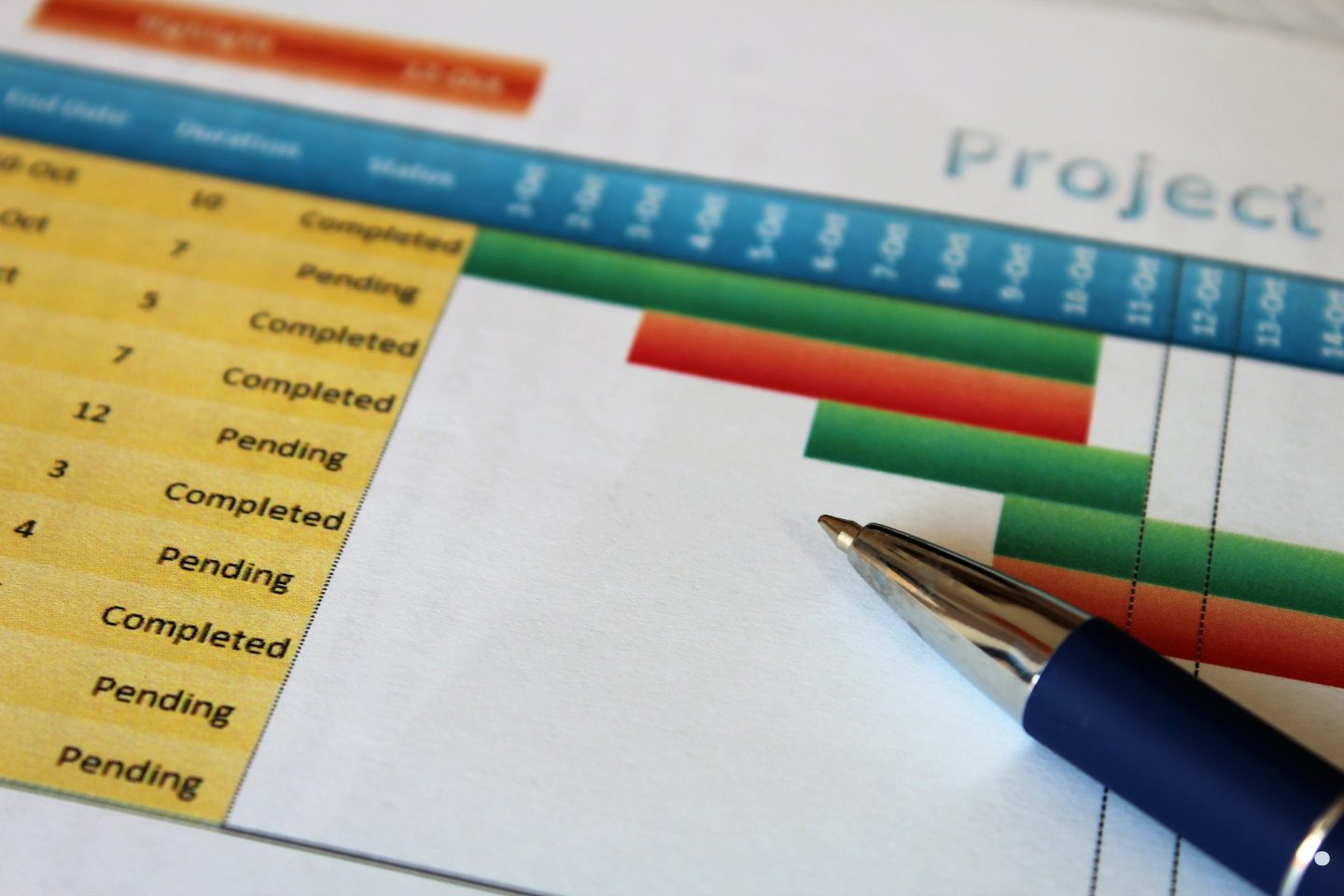
Creating a clear timeline with milestones is crucial for keeping your project on track. Start by identifying key phases of your project and breaking them down into manageable tasks. Assign realistic deadlines for each task to maintain momentum and accountability.
Milestones serve as checkpoints, allowing you to assess progress and make necessary adjustments. Make sure to communicate these timelines with your team, ensuring everyone knows their responsibilities and deadlines.
Regularly review the timeline to stay adaptable to any changes that may arise. By having a well-defined timeline with specific milestones, you’ll enhance your project’s chances of success and avoid last-minute scrambles.
Risk Management and Assumptions
As you manage your project timeline and milestones, it’s equally important to address potential risks and underlying assumptions. Identify risks early on; they can derail your progress if ignored.
Create a risk management plan that outlines how you’ll mitigate or respond to these risks, whether they’re related to resources, scheduling, or stakeholder engagement.
Simultaneously, document your assumptions—those statements you believe to be true for your project’s success. These assumptions can impact your planning and execution, so be clear about them.
Regularly revisit and validate your assumptions to ensure they still hold true. By actively managing risks and assumptions, you’ll enhance your project’s chances of success and keep things on track.
Conclusion
In conclusion, a project charter is essential for guiding your project to success. By clearly defining project objectives, scope, and deliverables, you set the stage for effective collaboration among key stakeholders. Remember to outline your timeline and milestones, while also addressing potential risks and assumptions. This foundational document not only aligns everyone’s expectations but also provides a roadmap for navigating the project’s lifecycle, ensuring you stay on track and achieve your goals.
Frequently Asked Questions
What is a project charter in project management?
A project charter is a formal document that officially authorizes a project and gives the project manager authority to use organizational resources. It outlines the project’s purpose, objectives, scope, and key stakeholders, serving as a foundational guide for the entire project lifecycle.
What are the key elements of a project charter?
The key elements typically include the project purpose, objectives, scope, stakeholders, timeline, budget, risks, and success criteria. These components provide a high-level overview that defines what the project aims to achieve and how it will be executed.
Why is a project charter important for project success?
A project charter is important because it aligns stakeholders, clarifies goals, and formally approves the project before work begins. It helps prevent scope creep, establishes expectations, and ensures everyone involved understands the project’s direction from the start.
Who is responsible for creating and approving a project charter?
A project charter is typically created collaboratively by the project sponsor, project manager, and key stakeholders. However, it must be formally approved and signed by the project sponsor, who authorizes the project and provides the necessary resources.
How does a project charter differ from a project plan?
A project charter provides a high-level overview and formally initiates the project, while a project plan goes into detailed execution strategies, including schedules, resources, and processes. The charter sets the direction, and the project plan defines how that direction will be achieved.