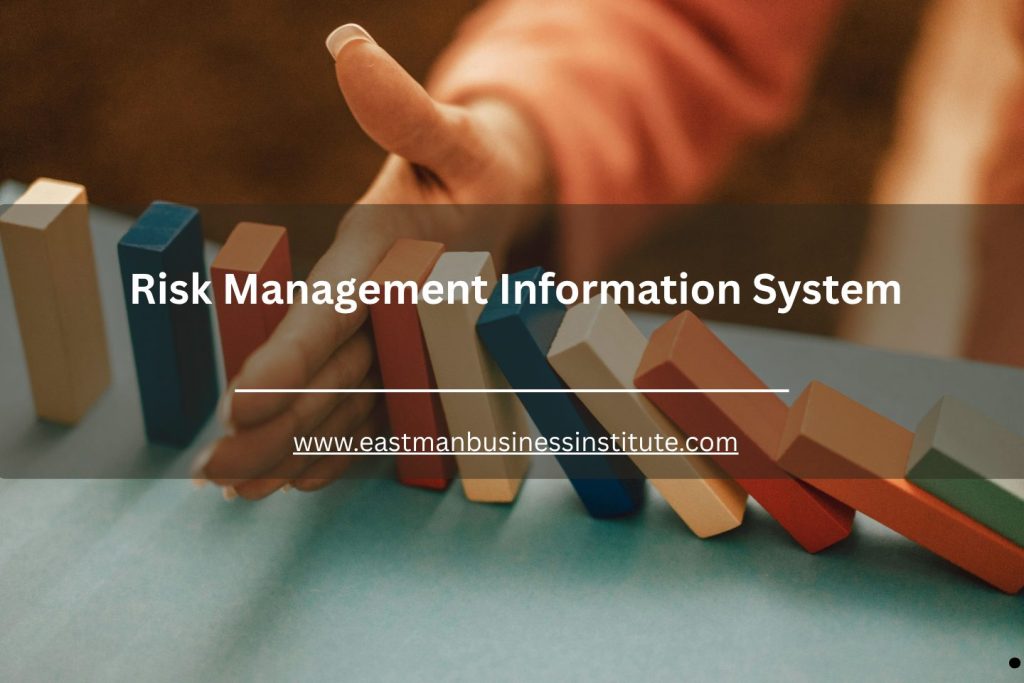

A Risk Management Information System centralizes data to help organizations identify, assess, and mitigate risks in real time, improving decision-making and compliance. Implementing one streamlines processes, fosters team collaboration, and enhances operational resilience.
When it comes to managing risks in your organization, a Risk Management Information System (RMIS) can be a game changer. It helps you identify and assess potential risks while streamlining processes. But not all RMIS platforms are created equal, and choosing the right one can be complex. Understanding the key features and benefits will guide you in making an informed decision. What should you consider before making that choice?
Understanding Risk Management Information Systems
Risk Management Information Systems (RMIS) serve as crucial tools for organizations aiming to identify, assess, and mitigate risks.
You’ll find that RMIS integrates various data sources, streamlining your risk management processes. By providing a centralized platform, it allows you to analyze potential threats and monitor risk exposures effectively.
With RMIS, you can make informed decisions based on real-time data, enhancing your organization’s resilience. Additionally, it fosters collaboration among teams, ensuring everyone is aligned on risk management strategies.
You’ll appreciate how RMIS helps you maintain compliance with regulatory requirements while improving overall operational efficiency.
Ultimately, understanding RMIS empowers you to proactively manage risks, protecting your organization’s assets and reputation in an ever-changing environment.

Key Features of an RMIS
An effective RMIS is packed with features that enhance your risk management capabilities. First, it offers centralized data storage, allowing you to access all relevant information in one place.
With real-time reporting, you can quickly analyze risks and make informed decisions. User-friendly dashboards provide visual insights, making it easier to track key metrics.
The system also integrates seamlessly with other business applications, facilitating smooth data flow. Customizable alerts notify you of potential risks, enabling proactive measures.
Additionally, robust compliance tracking helps you meet regulatory requirements efficiently. Finally, collaboration tools foster communication among team members, ensuring everyone stays aligned on risk management strategies.
These features collectively empower you to manage risks more effectively.
Benefits of Implementing an RMIS
Implementing a Risk Management Information System (RMIS) can significantly enhance your organization’s ability to identify, assess, and mitigate risks.
By centralizing data, you’ll streamline the risk management process, making it easier to track and analyze potential threats. This leads to better decision-making, as you’ll have access to real-time insights and reporting tools.
Additionally, an RMIS fosters collaboration among teams, ensuring everyone is on the same page when it comes to risk management strategies.
You’ll also save time and resources by automating routine tasks, allowing your team to focus on more strategic initiatives.
Ultimately, adopting an RMIS not only safeguards your organization but also enhances its overall efficiency and resilience in the face of uncertainty.
How to Choose the Right RMIS for Your Organization
How can you ensure that the RMIS you choose truly meets your organization’s needs? Start by identifying your specific requirements, such as the types of risks you manage and the data you need.
Consider your organization’s size and structure—different RMIS solutions cater to various scales and complexities.
Next, assess usability; an intuitive interface will encourage team adoption. Look for integration capabilities with your existing systems to streamline processes.
Don’t forget to evaluate vendor support and training options, as these can make or break your implementation experience.
Finally, request demos or trials to see how well the RMIS aligns with your goals. By taking these steps, you’ll find an RMIS that enhances your risk management efforts effectively.
Best Practices for RMIS Implementation
Choosing the right RMIS is just the beginning; successful implementation is where the real work begins.
First, establish a clear project plan with defined goals and timelines. Involve key stakeholders early to ensure their buy-in and gather valuable input.
Train your team thoroughly on the new system, emphasizing its benefits and functionality. This helps boost confidence and reduces resistance.
Monitor progress regularly, adjusting your approach as needed to tackle any challenges. Be sure to communicate openly, sharing updates and successes to keep everyone engaged.
Lastly, gather feedback post-implementation to identify areas for improvement.

Integrating RMIS With Existing Systems
Integrating your RMIS with existing systems is crucial for seamless data flow and enhanced decision-making. By connecting your RMIS to tools like financial systems, HR platforms, and project management software, you ensure that all relevant data is accessible in real time.
This integration eliminates data silos, reduces the risk of errors, and streamlines reporting processes. Start by identifying key systems that interact with your RMIS and assess their compatibility.
Collaborate with IT experts to create a robust integration plan, considering APIs and data mapping strategies. Don’t forget to provide training for your team to navigate the integrated systems effectively.
Ultimately, a well-integrated RMIS not only boosts operational efficiency but also empowers you to make informed risk management decisions swiftly.
Measuring the Effectiveness of Your RMIS
Measuring the effectiveness of your RMIS is essential to ensure it meets your organization’s risk management needs.
Start by defining clear objectives for your RMIS, such as improving data accuracy, enhancing reporting capabilities, or streamlining communication. use key performance indicators (kpis) to assess these goals; for instance, track response times for risk assessments or the frequency of data updates.
Gather feedback from users to identify any pain points or areas for improvement. Regularly review and analyze the data your RMIS provides to determine its impact on decision-making and risk mitigation.
Finally, don’t hesitate to adjust your RMIS based on findings. This proactive approach will help you maximize the value and effectiveness of your risk management system.
Future Trends in Risk Management Information Systems
As organizations strive to enhance their risk management practices, staying ahead of emerging trends in Risk Management Information Systems (RMIS) becomes vital.
You’ll notice a shift towards integrating artificial intelligence and machine learning, which can analyze vast data sets quickly, enhancing predictive analytics.
Additionally, the rise of real-time data monitoring will allow you to respond to risks more swiftly.
Cloud-based RMIS solutions are becoming more popular, offering flexibility and scalability for your organization.
Cybersecurity features will also be a priority, ensuring data integrity and security.
Lastly, user-friendly interfaces are essential as they improve user adoption and engagement.
Embracing these trends will help you build a more resilient and proactive risk management framework.
Conclusion
In conclusion, adopting a Risk Management Information System can significantly enhance your organization’s ability to identify and manage risks effectively. By leveraging its key features and benefits, you’ll streamline processes and improve decision-making. Remember to assess your specific needs and follow best practices during implementation for optimal results. As you integrate your RMIS with existing systems and measure its effectiveness, stay informed about future trends to ensure your risk management strategies remain robust and relevant.

Frequently Asked Questions
What Is A Risk Management Information System?
A Risk Management Information System (RMIS) is a software platform used to collect, manage, analyze, and report risk-related data within an organization. Businesses use RMIS tools to monitor claims, track incidents, manage compliance, and improve decision-making by centralizing risk information in one system.
Why Is A Risk Management Information System Important?
A risk management information system helps organizations reduce operational risks, improve data accuracy, streamline reporting, and strengthen compliance efforts. By providing real-time visibility into risks and exposures, RMIS platforms support faster responses, better planning, and improved overall business resilience.
What Features Are Commonly Included In A Risk Management Information System?
Most risk management information systems include features such as incident reporting, claims tracking, compliance management, analytics dashboards, risk assessment tools, automated alerts, and centralized reporting. Advanced systems may also integrate with HR, ERP, and cybersecurity platforms to provide broader organizational oversight.
Which Industries Use Risk Management Information Systems?
Risk management information systems are commonly used in industries such as finance, healthcare, insurance, manufacturing, logistics, construction, and information technology. Organizations in these sectors rely on RMIS platforms to identify threats, improve compliance, manage claims, and reduce financial and operational risks.
How Does A Risk Management Information System Improve Decision-Making?
A risk management information system improves decision-making by providing centralized data, real-time reporting, trend analysis, and predictive insights. These tools help business leaders identify vulnerabilities, evaluate potential impacts, prioritize mitigation strategies, and make informed operational and financial decisions.