

Process monitoring plays a crucial role in ensuring your operations run smoothly. By tracking key metrics and workflows, you can spot inefficiencies and make informed decisions swiftly. This practice isn't just about fixing problems; it's about creating a culture of continuous improvement. Curious about how real-time data analytics can transform your processes? Let's explore the essential components and tools that can elevate your operational excellence.
Understanding Process Monitoring

Understanding process monitoring is crucial if you want to ensure efficiency in any workflow. This practice involves tracking various metrics and activities to identify bottlenecks, inefficiencies, and areas for improvement.
By actively observing how tasks progress, you can make informed decisions that enhance productivity. You'll gain insights into how resources are allocated, allowing you to optimize their use effectively.
Moreover, real-time monitoring helps you respond swiftly to any issues that arise, preventing small problems from escalating into major setbacks. Keeping a close eye on processes not only boosts performance but also fosters a culture of continuous improvement. Implementing Lean Six Sigma methodologies can further streamline this monitoring process, enhancing overall operational efficiency.
In today's fast-paced environment, mastering process monitoring is essential for achieving your goals and staying ahead of the competition.
Key Components of Process Monitoring
To effectively monitor processes, it's essential to recognize the key components that contribute to successful tracking and analysis. First, you need clear objectives; knowing what you want to achieve helps set benchmarks.
Next, data collection tools are crucial. Use sensors, software, or manual methods to gather relevant information.
Then, consider visualization tools to present data in an easily digestible format, enabling quick insights.
Don't forget about feedback mechanisms; they let you adjust processes based on real-time information.
Finally, integrate communication channels to ensure that all stakeholders stay informed and involved. Additionally, incorporating statistical tools can enhance your ability to monitor process stability and quality, providing deeper insights for decision-making.
Benefits of Real-Time Data Analytics

While implementing real-time data analytics might seem daunting, the benefits it brings to process monitoring are undeniable.
You'll gain immediate insights into operations, allowing you to identify bottlenecks and inefficiencies as they happen. This proactive approach helps you make quicker decisions, optimizing workflows and minimizing downtime.
With real-time data, you can also enhance product quality by quickly addressing anomalies before they escalate. Additionally, you'll improve collaboration among teams, as everyone has access to up-to-date information. This transparency fosters a culture of accountability and continuous improvement.
Ultimately, real-time data analytics empowers you to adapt to changes swiftly, maximizing productivity and driving better business outcomes. Embracing this technology can transform your process monitoring efforts significantly. Furthermore, incorporating data-driven decision-making can enhance the effectiveness of your analytics efforts.
Common Tools and Technologies for Process Monitoring
Real-time data analytics paves the way for leveraging various tools and technologies that enhance process monitoring.
You can utilize software solutions like SCADA systems, which provide real-time data visualization and control. Integrating IoT sensors allows you to collect data from equipment, enabling proactive maintenance and reducing downtime.
Additionally, cloud-based platforms facilitate data storage and analysis, making it easier to access insights from anywhere. Data management tools help you organize and interpret the information, ensuring you make informed decisions quickly.
Machine learning algorithms can also predict anomalies in processes, allowing you to act before issues escalate.
Implementing Process Monitoring in Manufacturing
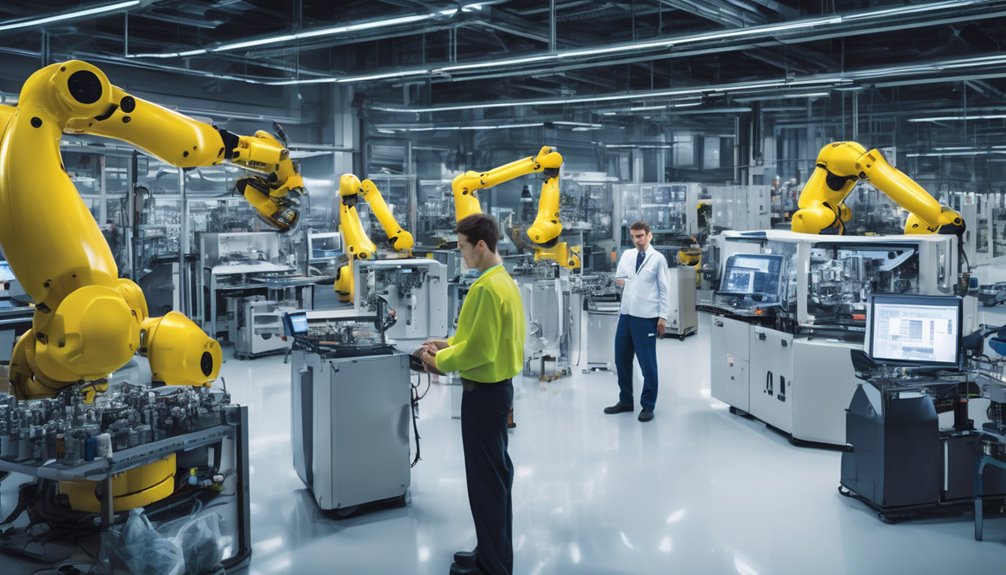
Implementing process monitoring in manufacturing can transform your operations, ensuring you maintain high efficiency and quality.
Start by identifying key performance indicators (KPIs) that align with your production goals. Next, invest in the right tools and technologies to capture real-time data from your machinery and workflows.
This data can provide valuable insights into your processes, helping you pinpoint bottlenecks and areas for improvement. Don't forget to train your staff on how to utilize these monitoring systems effectively.
Regularly review and adjust your processes based on the data collected, fostering a culture of continuous improvement. Additionally, integrating Lean Six Sigma methodologies can enhance your process monitoring efforts by systematically eliminating waste and improving quality.
Process Monitoring in Logistics and Supply Chain
As you navigate the complexities of logistics and supply chain management, effective process monitoring can be a game changer for optimizing operations. By closely tracking each phase—from procurement to delivery—you can identify bottlenecks and inefficiencies that slow down your workflow.
Implementing key performance indicators (KPIs) allows you to measure progress in real-time, giving you the insights needed to make informed decisions. Regularly reviewing these metrics helps you adjust strategies, ensuring timely deliveries and reduced costs.
Moreover, engaging your team in the monitoring process fosters accountability and encourages proactive problem-solving. Additionally, utilizing data-driven decision-making enhances your ability to pinpoint areas for improvement and implement effective solutions. Ultimately, investing in robust process monitoring not only enhances your operational efficiency but also improves customer satisfaction and strengthens your supply chain's overall resilience.
The Role of IoT in Enhancing Process Monitoring

While traditional monitoring methods provide valuable insights, integrating the Internet of Things (IoT) into your process monitoring strategy can significantly enhance your operational capabilities.
With IoT devices, you can collect real-time data from various sources, allowing you to track processes more accurately. This instant feedback helps you make informed decisions quickly, reducing downtime and improving efficiency.
Additionally, IoT enables predictive analytics, so you can anticipate issues before they arise, minimizing disruptions. You'll also benefit from automated alerts, keeping you informed about any anomalies in your operations.
Challenges and Solutions in Process Monitoring
Even with advanced technologies at your disposal, process monitoring comes with its own set of challenges that can impede efficiency. You might face data overload, making it tough to discern which metrics truly matter.
Inconsistent data from different sources can further complicate your analysis, leading to misinformed decisions. Additionally, integrating new technologies into existing systems can be a daunting task, often requiring extensive training.
To tackle these issues, focus on prioritizing key performance indicators (KPIs) that align with your goals. Implementing standardized protocols for data collection can enhance consistency. Regular training sessions for your team will help ease the transition to new tools. By addressing these challenges head-on, you can streamline your processes and improve overall performance. Furthermore, understanding Six Sigma metrics is crucial for identifying areas of improvement in your processes.
Case Studies: Successful Process Monitoring Implementations

Successful process monitoring implementations can transform operations when approached strategically.
For instance, a manufacturing company faced frequent equipment failures. By integrating real-time monitoring systems, they identified patterns in machine performance and proactively scheduled maintenance. This not only reduced downtime but also cut costs significantly.
In another case, a logistics firm implemented process monitoring to track delivery times. By analyzing data, they pinpointed bottlenecks and optimized routes, improving on-time delivery rates by 30%.
These examples show that when you leverage data effectively, you can enhance efficiency, reduce waste, and drive better decision-making. Embracing process monitoring can lead to substantial improvements, allowing you to stay competitive and responsive to market demands. Additionally, the integration of automation and data analytics enhances Six Sigma practices, further driving operational excellence.
Future Trends in Process Monitoring
As technology evolves, the future of process monitoring is set to become more sophisticated and interconnected.
You'll see advancements in artificial intelligence and machine learning, enabling real-time analysis and predictive insights. Imagine having systems that not only monitor processes but also recommend optimizations based on historical data and trends.
Internet of Things (IoT) devices will play a crucial role, allowing for seamless communication across various platforms and improving data collection accuracy.
Furthermore, augmented reality (AR) tools could provide on-the-spot training and guidance for operators.
As you embrace these innovations, your ability to respond proactively to issues will enhance, ultimately boosting efficiency and reducing costs. Additionally, the incorporation of data-driven decision-making will further refine your approach to process monitoring and improvement.
Stay ahead by adapting to these trends and integrating them into your process monitoring strategies.
Conclusion
In summary, effective process monitoring is essential for driving operational efficiency and fostering continuous improvement. By leveraging real-time data analytics and the right tools, you can identify bottlenecks and enhance productivity. Embracing technologies like IoT can further elevate your monitoring efforts, ensuring you stay ahead of challenges. As you implement these strategies, you'll not only improve workflows but also achieve better outcomes, positioning your organization for future success in a competitive landscape.