
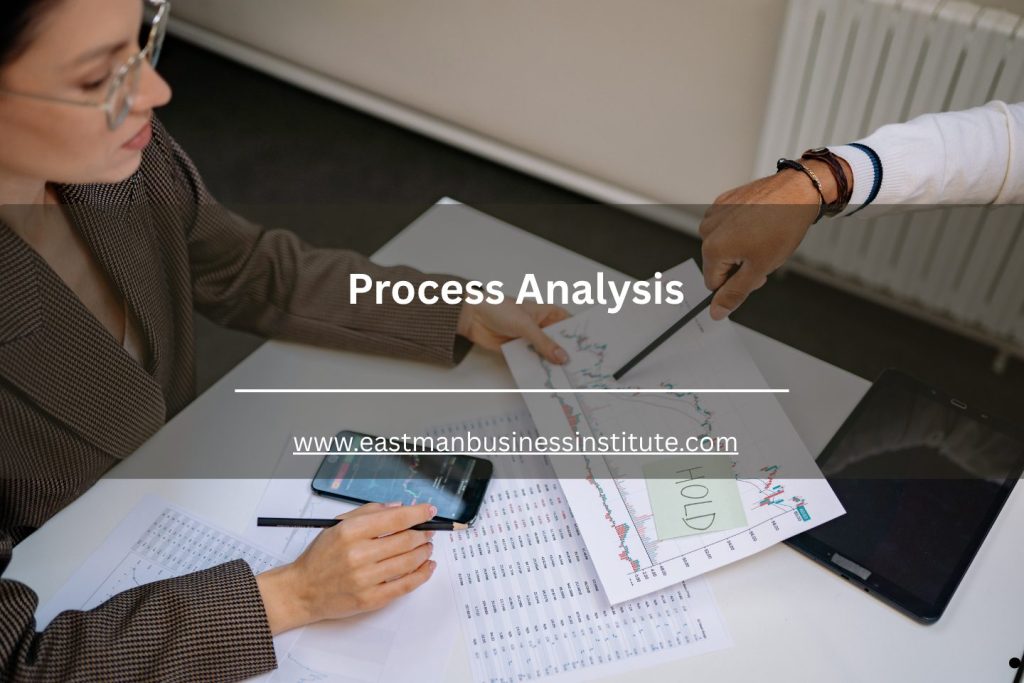

When you consider process analysis, think about how it can transform your workflows. It breaks down tasks into manageable steps, allowing you to pinpoint inefficiencies and clarify objectives. This method not only enhances communication among team members but also drives informed decision-making. As you explore the key components and steps involved, you might find surprising insights that could significantly improve your team’s productivity. What could those insights reveal for your processes?
Process analysis breaks down complex tasks into manageable steps to identify inefficiencies, improve communication, and drive informed decision-making, ultimately enhancing team productivity.
Understanding Process Analysis
Understanding process analysis is like navigating a well-marked trail; it guides you through complex tasks by breaking them down into manageable steps. You’ll find that identifying each step in a process helps you grasp how everything fits together.
Start by defining the overall goal and then pinpoint the individual tasks needed to achieve it. Using clear, concise language is essential, so you can easily communicate your findings to others.
As you delve deeper, consider the resources required and potential challenges you might face. This method not only clarifies your thinking but also aids in troubleshooting and improvement. Additionally, applying Six Sigma methodologies can significantly enhance your process analysis efforts by providing structured approaches for defining problems and implementing solutions.

The Importance of Process Analysis
While you may not realize it, process analysis is crucial for achieving success in any project. It helps you identify inefficiencies and bottlenecks, enabling you to streamline workflows. By examining each step of your process, you can pinpoint areas for improvement, which ultimately saves time and resources.
You’ll also enhance your team’s productivity by clarifying roles and responsibilities. Additionally, process analysis fosters better communication among team members, as everyone gains a shared understanding of the project’s goals. This clarity not only boosts morale but also encourages collaboration.
Ultimately, mastering process analysis empowers you to make informed decisions, ensuring that your project runs smoothly and meets its objectives. Embracing this practice can significantly elevate your overall performance. Moreover, utilizing data collection techniques can further enhance the accuracy of your process analysis.
Key Components of Process Analysis
Effective process analysis hinges on several key components that drive success. First, clear objectives are essential; they guide your analysis and ensure you focus on what matters.
Next, data collection is crucial; gather relevant information to support your findings. You’ll want to use various tools, like flowcharts or diagrams, to visualize processes effectively.
Engaging stakeholders is another vital component; their insights can highlight issues you might overlook.
Don’t forget about identifying bottlenecks; recognizing these areas helps improve efficiency.
Lastly, a thorough evaluation of the current process allows you to pinpoint strengths and weaknesses. Additionally, utilizing DMAIC methodologies can significantly enhance your approach to process analysis by providing a structured framework for improvement.
Steps to Conduct Process Analysis
To successfully conduct process analysis, you’ll want to follow a series of structured steps that guide you through the evaluation.
First, identify the process you want to analyze and define its purpose clearly. Gather relevant data and information to understand the current state of the process.
Next, map out the process flow, detailing each step involved. After that, assess the efficiency and effectiveness of each step, looking for areas of improvement.
Engage stakeholders to gather insights and perspectives, ensuring you capture different viewpoints. Additionally, employing DMAIC methodology can help you systematically address identified inefficiencies.
Finally, compile your findings into a comprehensive report that highlights key insights and recommendations.
Tools and Techniques for Process Analysis
After outlining the steps for conducting process analysis, it’s time to explore the tools and techniques that can enhance your evaluation.
Start with flowcharts to visualize processes, helping you identify each step clearly. Next, consider using process mapping software, which allows for greater detail and easy adjustments.
You can also apply value stream mapping to focus on value-adding activities, eliminating waste effectively. Additionally, employ data analytics tools to gather insights from your process data, revealing trends and patterns.
Don’t overlook brainstorming sessions; they can generate innovative ideas for improvement. Lastly, checklists can help ensure you cover all essential elements during your analysis.
Using these tools will make your process evaluation more comprehensive and effective. Furthermore, integrating Lean principles with six sigma can significantly enhance your process improvement efforts.
Identifying Inefficiencies in Processes
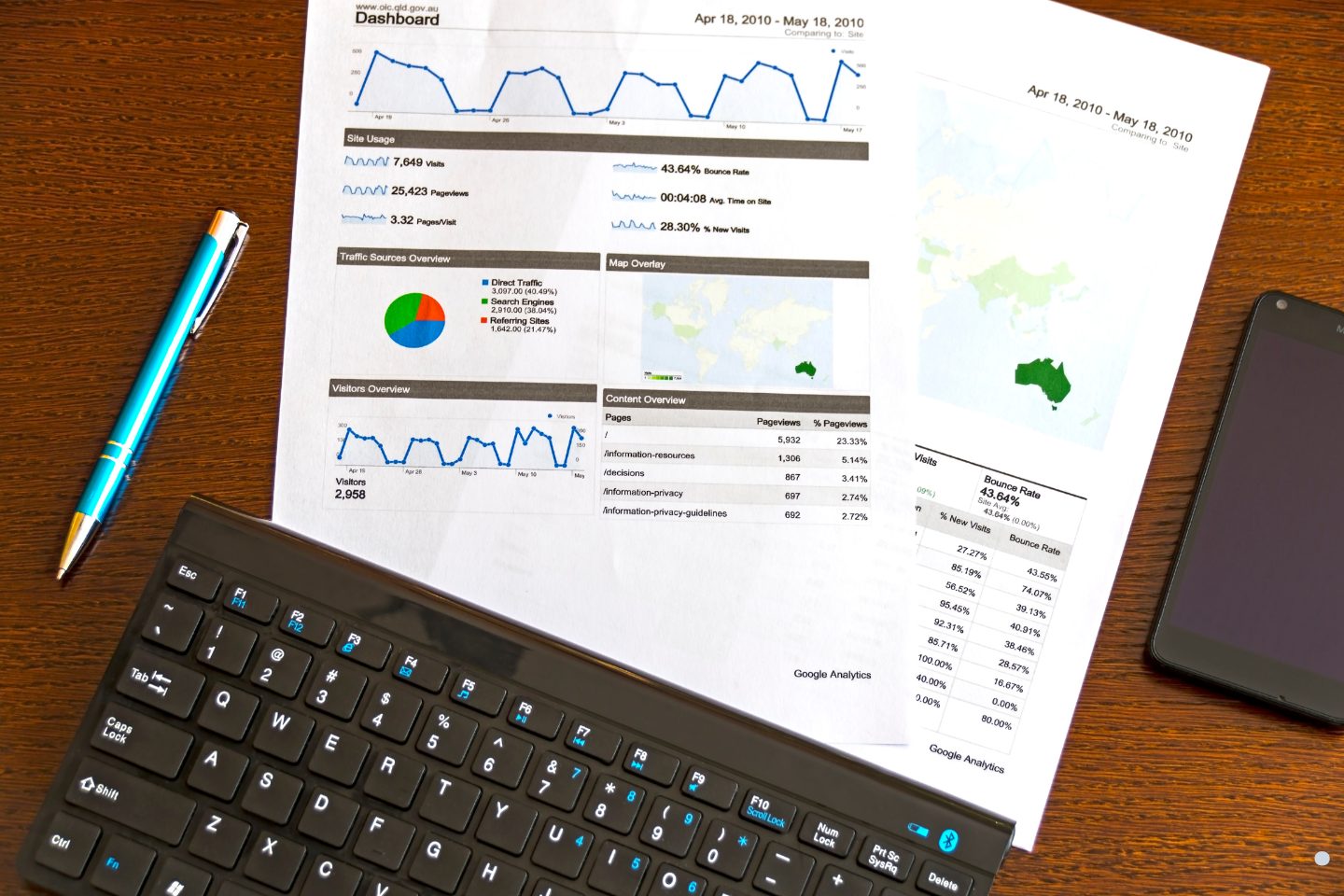
How can you pinpoint inefficiencies in your processes? Start by mapping out each step in your workflow. This visual representation helps you see where delays or redundancies occur.
Next, gather data on key performance indicators, like time spent on tasks or error rates. Analyze this data to spot patterns or bottlenecks. Don’t forget to engage your team; their insights can reveal hidden issues.
Regularly review feedback from customers, too, as it can highlight areas needing improvement. Lastly, observe your processes in action. Sometimes, witnessing the workflow firsthand uncovers inefficiencies you mightn’t notice in reports. Additionally, employing Six Sigma methodologies can provide a structured approach to identifying and eliminating inefficiencies.
Implementing Improvements Based on Analysis
Identifying inefficiencies is just the first step; the real challenge lies in implementing improvements that drive meaningful change.
You’ll want to prioritize the changes based on their potential impact and ease of implementation. Engage your team in brainstorming sessions to gather diverse insights and foster a collaborative environment.
Next, develop a clear action plan with specific, measurable objectives. Allocate resources effectively, ensuring everyone understands their roles in the process.
Don’t forget to communicate the benefits of the improvements to encourage buy-in. As you implement these changes, stay flexible; adapt your approach based on real-time feedback. Additionally, ensure that your team follows data-driven methodology to guide project improvements.
Measuring the Success of Process Improvements
What methods can you use to measure the success of process improvements? Start by tracking key performance indicators (KPIs) relevant to your goals. These might include productivity rates, error reduction, or customer satisfaction scores.
Next, gather feedback from team members involved in the process; their insights can reveal practical impacts. You can also conduct before-and-after analyses to compare performance levels pre- and post-improvement.
Another effective method is to monitor cycle times and costs associated with the process to identify any reductions.
Lastly, consider using qualitative measures like employee engagement or morale to assess the broader impact of changes. Additionally, leveraging Defects Per Million Opportunities (DPMO) can provide a quantitative measure of process performance improvement.
Conclusion
In conclusion, process analysis is essential for enhancing your team’s efficiency and productivity. By breaking down complex tasks and identifying inefficiencies, you empower yourself and your colleagues to make informed decisions. Utilizing the right tools and techniques can lead to meaningful improvements and better collaboration. Remember, continuous evaluation and adjustment of processes not only keeps your workflow smooth but also fosters an environment where everyone can thrive. Start analyzing today, and watch your team’s performance soar!
Frequently Asked Questions
What Is Process Analysis?
Process analysis is the systematic evaluation of workflows, procedures, and operational activities to identify inefficiencies, bottlenecks, and opportunities for improvement. It helps organizations improve productivity, reduce waste, and create more consistent outcomes through data-driven decision-making.
Why Is Process Analysis Important for Businesses?
Process analysis helps businesses improve operational efficiency, enhance quality control, reduce costs, and streamline workflows. By understanding how processes function, organizations can make informed improvements that support better customer satisfaction and long-term business performance.
What Tools Are Commonly Used in Process Analysis?
Common process analysis tools include process mapping, flowcharts, control charts, root cause analysis, Pareto charts, Lean methodologies, and Six Sigma techniques such as DMAIC. These tools help organizations visualize workflows, identify inefficiencies, and implement measurable improvements.
Who Should Learn Process Analysis Skills?
Process analysis skills are valuable for project managers, quality assurance professionals, operations managers, business analysts, supervisors, and team leaders. Professionals involved in process improvement, operational planning, or organizational efficiency initiatives can benefit greatly from process analysis training.
How Can Process Analysis Improve Organizational Performance?
Effective process analysis helps organizations identify operational gaps, minimize process variation, improve communication, and support continuous improvement efforts. Businesses that apply structured analysis methods often achieve better efficiency, higher productivity, and stronger overall performance.