

When it comes to improving processes and enhancing quality, Six Sigma methodologies offer structured frameworks that can make a difference. You might find yourself drawn to DMAIC for existing processes or DMADV for new designs. Both approaches rely on data-driven techniques to pinpoint defects and boost efficiency. But what specific tools and strategies can you leverage for successful implementation? Let's explore the nuances of these methodologies and how they can drive your projects forward.
Understanding Six Sigma: The Basics

Six Sigma is a powerful methodology designed to enhance process efficiency and quality in various industries. At its core, it focuses on identifying and eliminating defects in processes, helping you achieve near-perfect performance.
You'll find that Six Sigma uses data-driven techniques to analyze and improve processes, ensuring that any variations are minimized. By applying this methodology, you can create a more streamlined workflow, which ultimately saves time and resources.
You'll also discover that Six Sigma emphasizes teamwork and collaboration, as it relies on the collective skills and insights of your team. Understanding the basic principles of Six Sigma can empower you to drive significant improvements in your organization, leading to greater customer satisfaction and increased profitability. Moreover, the DMAIC Methodology provides a structured approach to problem-solving and process improvement, making it essential for effective implementation of Six Sigma initiatives.
The DMAIC Methodology
DMAIC is a structured, data-driven approach used in Six Sigma to improve processes. It stands for Define, Measure, Analyze, Improve, and Control.
First, you define the problem and project goals clearly. Next, you measure current performance to gather relevant data.
Then, you analyze that data to identify root causes of issues. After pinpointing the problems, you move on to improve the process by brainstorming and implementing solutions.
Finally, you control the improvements by monitoring the process and ensuring that changes are sustained over time. This methodology helps you systematically tackle inefficiencies, leading to better quality and reduced costs. By following DMAIC, you can drive significant improvements in your organization's processes. Additionally, the Voice of the Customer (VOC) emphasizes the importance of customer feedback in shaping project goals.
The DMADV Methodology

The DMADV methodology is a crucial framework in Six Sigma that focuses on designing new processes or products to meet customer needs and achieve high-quality standards. It consists of five key phases: Define, Measure, Analyze, Design, and Verify.
In the Define phase, you identify project goals aligned with customer demands. Next, during Measure, you gather data to understand requirements.
In Analyze, you evaluate design options and select the best solutions. The Design phase involves creating detailed specifications and prototypes.
Finally, in Verify, you test the design to ensure it meets all criteria. By following DMADV, you can enhance innovation and efficiency, ensuring your outputs not only satisfy customers but also maintain exemplary quality. This structured approach leads to improved customer satisfaction and overall project success.
The DMIAC Methodology
One powerful approach in Six Sigma is the DMIAC methodology, which focuses on improving existing processes to enhance quality and efficiency.
DMIAC stands for Define, Measure, Analyze, Improve, and Control. First, you define the problem or opportunity for improvement. Next, you measure current performance to gather data.
In the analyze phase, you identify root causes of defects or inefficiencies. After that, you move to improve, where you develop and implement solutions.
Finally, you control the new process to ensure sustained improvements. By following these steps, you can systematically address issues, reducing variability and increasing customer satisfaction. The DMIAC methodology is a fundamental methodology within lean six sigma practices for organizations wanting to achieve high-quality outcomes through structured problem-solving.
The Lean Six Sigma Approach
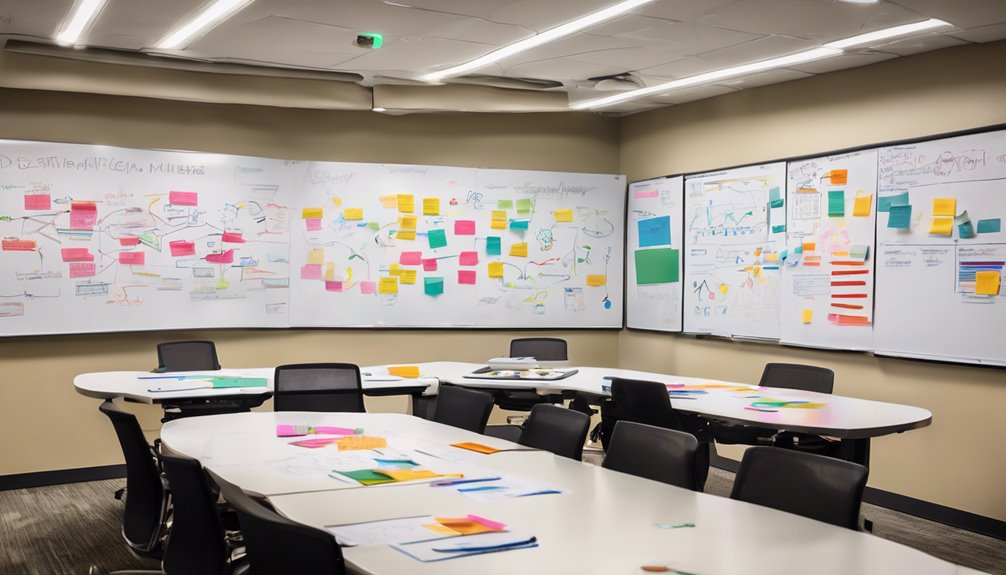
While many organizations seek to enhance efficiency and reduce waste, the Lean Six Sigma approach offers a powerful framework to achieve these goals.
By combining Lean principles, which focus on eliminating non-value-added activities, with Six Sigma's emphasis on reducing variation and improving quality, you can create a culture of continuous improvement.
This methodology empowers you to streamline processes, boost productivity, and enhance customer satisfaction. It encourages teamwork, data-driven decision-making, and a strong focus on delivering value.
As you implement Lean Six Sigma, you'll identify waste, standardize best practices, and cultivate a mindset that embraces change. Additionally, it emphasizes the importance of continuous improvement to align organizational efforts towards delivering maximum value to customers.
Ultimately, this approach not only sharpens your operational efficiency but also fosters a more agile organization ready to adapt to evolving market demands.
Value Stream Mapping in Six Sigma
Value Stream Mapping (VSM) serves as a crucial tool in the Six Sigma methodology, helping you visualize the flow of materials and information throughout your processes.
By creating a detailed map, you can identify bottlenecks, delays, and areas of waste that hinder efficiency. This visual representation allows you to pinpoint where improvements can be made, ensuring that each step adds value to the final product.
As you analyze the current state, you'll gain insights into how to streamline operations and enhance productivity. Implementing VSM encourages collaboration among team members, fostering a culture of continuous improvement.
Ultimately, using VSM in your Six Sigma efforts leads to better decision-making and a clearer path toward achieving your quality goals. Additionally, Lean principles can be integrated with VSM to further enhance process efficiency and effectiveness.
Tools and Techniques for Six Sigma Implementation

Implementing Six Sigma effectively requires a variety of tools and techniques that streamline processes and enhance quality.
You'll find that tools like DMAIC (Define, Measure, Analyze, Improve, Control) provide a structured approach to problem-solving. Flowcharts help you visualize processes, while Pareto charts identify key areas for improvement.
Using root cause analysis tools, such as the Fishbone diagram, enables you to pinpoint the underlying issues affecting quality. Additionally, statistical tools like control charts and hypothesis testing allow you to analyze data and monitor process performance.
Don't forget about process mapping, which clarifies workflows and identifies waste. By integrating these tools into your Six Sigma projects, you'll foster a culture of continuous improvement and drive meaningful change. Furthermore, utilizing DMAIC phases can ensure that each stage of the process is effectively addressed for optimal outcomes.
Measuring Success in Six Sigma Projects
How do you know if your Six Sigma projects are truly successful? To measure success, focus on key performance indicators (KPIs) that reflect your project's goals.
Start by analyzing the defect rates before and after implementation; a significant reduction indicates effectiveness.
Also, assess customer satisfaction scores. If your customers report improved experiences, that's a positive sign.
Financial metrics, like cost savings or increased revenue, further demonstrate your project's impact.
Additionally, consider the time taken to complete processes; shorter times often mean efficiency gains.
Lastly, engage your team in feedback sessions to gauge their perspectives on improvements. Implementing continuous improvement initiatives ensures that success is not only achieved but also sustained over time.
Overcoming Challenges in Six Sigma Initiatives

While Six Sigma offers powerful tools for improvement, organizations often face various challenges during implementation. You might encounter resistance from employees who fear change or don't understand the methodology.
To overcome this, it's crucial to foster a culture of open communication and provide comprehensive training. Engaging your team early on can help them see the benefits of Six Sigma.
You should also ensure strong leadership support, as this drives commitment from all levels of the organization. Additionally, setting clear and realistic goals can mitigate confusion and keep everyone aligned.
Regularly reviewing progress and celebrating small wins can maintain momentum. Executive support is vital for keeping the organization aligned with quality improvement initiatives. By addressing these challenges proactively, you can create a successful Six Sigma initiative that leads to lasting improvements.
Conclusion
In conclusion, embracing Six Sigma methodologies like DMAIC and DMADV can significantly enhance your organization's efficiency and quality. By applying these structured frameworks, you'll be able to identify defects and drive continuous improvement effectively. Remember to utilize tools like value stream mapping and focus on measuring success to overcome challenges. With a commitment to these principles, you can align your projects with customer needs and foster a culture of excellence within your team.