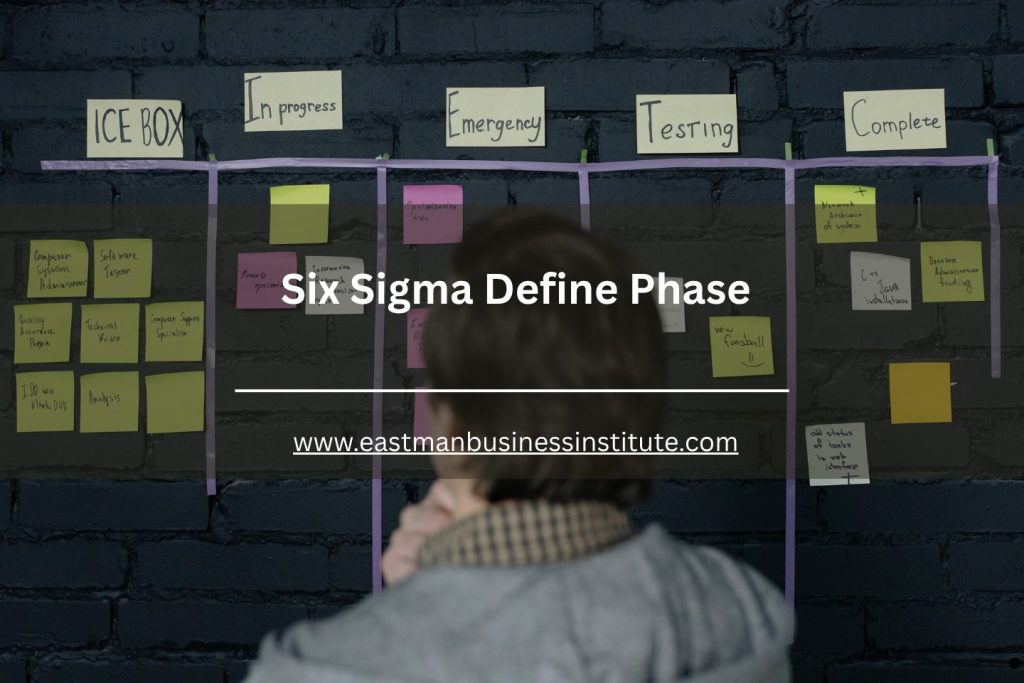

The Six Sigma Define Phase establishes the foundation for process improvement by pinpointing problems, clarifying project goals, and engaging stakeholders to capture customer needs. A well-crafted problem statement is essential for guiding the team and aligning efforts throughout the project.
In the Six Sigma Define Phase, you’ll find the foundation for successful process improvement. It’s where you pinpoint the problem and clarify project goals. Engaging with stakeholders is crucial to understand their expectations and customer needs. But how do you effectively craft a problem statement that truly reflects the gap between where you are and where you want to be? Let’s explore the essential elements that will guide you through this pivotal phase.
Understanding Six Sigma and Its Importance
While you might be familiar with various quality management methodologies, Six Sigma stands out as a powerful approach that focuses on reducing defects and improving processes.
By utilizing data-driven techniques, you can identify and eliminate the root causes of problems, ultimately enhancing efficiency and customer satisfaction.
This methodology emphasizes a structured framework, guiding you through each phase to ensure consistent results.
Understanding Six Sigma’s importance means recognizing its ability to foster a culture of continuous improvement within your organization.
When implemented effectively, you’ll notice not just improved quality but also increased profitability.
Adopting Six Sigma principles can lead to significant transformations, making it a vital tool for any business aiming for excellence in their operations. Additionally, the DMAIC methodology provides a structured approach to problem-solving that enhances operational efficiency.

Overview of the Define Phase
The Define phase is the starting point of the Six Sigma process, where you clearly outline the problem you’re facing and set the project’s goals.
In this phase, you engage with stakeholders to gather their insights and expectations, ensuring everyone’s aligned. You’ll create a project charter that encapsulates the objectives, scope, and timeline, providing a roadmap for your team.
It’s crucial to establish a clear understanding of the customer’s needs, as this will guide your efforts throughout the project. By defining the problem accurately, you set the stage for effective solutions. Additionally, conducting root cause analysis early in this phase helps to identify the underlying issues that need to be addressed.
Identifying the Problem Statement
To effectively tackle a problem, you first need to craft a clear and concise problem statement. This statement should pinpoint the issue you’re facing, outlining its scope and impact.
Start by gathering data to understand the problem’s context, then articulate it in simple terms. Avoid jargon or vague language—clarity is key. Your statement should answer the “what,” “where,” and “when” of the problem, helping everyone involved grasp the situation.
Make sure it reflects the current state and highlights the gap between that and the desired outcome. A well-defined problem statement serves as a foundation for your project, guiding your team’s efforts and ensuring everyone stays aligned throughout the Six Sigma process. Additionally, utilizing data-driven decision-making will enhance the effectiveness of your problem statement and overall project.
Understanding Customer Requirements
Understanding customer requirements is crucial for delivering products and services that truly meet their needs. You need to gather insights directly from customers to pinpoint what they value most. Engage with them through surveys, interviews, and focus groups, ensuring you capture their expectations, preferences, and pain points.
This feedback helps you identify gaps in your current offerings and highlights areas for improvement. Remember, it’s not just about what customers say they want; observe their behavior and experiences to gain deeper insights. Additionally, using the DMADV model can help structure the process of understanding customer requirements effectively.
Establishing Project Goals and Objectives
While defining your project’s scope, it’s essential to establish clear goals and objectives that align with customer needs and organizational priorities. Start by identifying what success looks like for your project. Consider specific metrics, such as reducing defects or improving cycle time. Engaging stakeholders in this process ensures that everyone shares a common vision.
Once you’ve outlined your goals, break them down into achievable objectives that are measurable and time-bound. This allows you to track progress effectively. Remember, your objectives should be realistic yet challenging to motivate your team. Additionally, incorporating DMAIC phases into your planning can provide a structured approach to achieving these goals.
Regularly review these goals to adapt to any changes in customer requirements or business conditions. Setting strong goals and objectives lays the foundation for a successful Six Sigma project.

Defining Project Scope
Clarity is crucial when defining your project’s scope, as it sets the boundaries for what’ll and won’t be included. Start by outlining the specific objectives you aim to achieve.
Identify the key deliverables that will mark your project’s success. Next, detail the tasks and resources required to complete these deliverables. Don’t forget to specify the project’s limitations, including any constraints like budget, time, or available resources.
This clear definition not only helps you stay focused but also aids in managing stakeholder expectations. Regularly revisit and refine your scope to accommodate any changes or new insights. By maintaining this clarity, you enhance your project’s chances of success and keep your team aligned on the common goals. Additionally, involving stakeholders in the Voice of the Customer process can provide valuable insights that shape the project scope.
Forming the Project Team
Once you’ve outlined your project’s scope, it’s time to assemble the right project team. Start by identifying key stakeholders who understand the process and can provide valuable insights.
Look for individuals with diverse skill sets—this will foster creativity and problem-solving. Consider including team members from various departments to ensure different perspectives and experiences.
Next, define roles and responsibilities clearly. Assign a project leader who can keep the team focused and motivated.
Schedule regular meetings to maintain communication and track progress. Encourage open dialogue, so everyone feels comfortable sharing ideas and concerns.
Finally, ensure your team is committed to the project’s goals. A well-structured team is crucial for driving success in your Six Sigma initiative. Additionally, it’s important to include Six Sigma Champions who can provide leadership and support to ensure effective implementation of the project.
Developing a Project Charter
Creating a project charter is a critical step that sets the foundation for your Six Sigma initiative. It clearly outlines your project’s objectives, scope, and stakeholders, giving everyone a shared understanding of what you aim to achieve.
Start by defining the problem you’re tackling and the desired outcomes. Identify key team members and their roles, ensuring everyone knows who’s responsible for what.
It’s also vital to set a timeline and budget constraints to keep your project on track. Don’t forget to include any risks and assumptions that could impact the project. Additionally, a well-structured project charter enhances overall project planning and management effectiveness.
Conclusion
In the Define Phase of Six Sigma, you lay the groundwork for successful improvement efforts. By clearly identifying the problem, understanding customer needs, and establishing project goals, you set your team up for success. Forming a dedicated project team and developing a comprehensive project charter ensures everyone is aligned and focused on the objectives. Embrace this phase to drive impactful change and make informed decisions as you move forward in your Six Sigma journey.

Frequently Asked Questions
What is the Six Sigma Define Phase?
The Six Sigma Define Phase is the first stage of the DMAIC methodology, where teams identify the problem, establish project goals, define customer requirements, and outline the scope of the improvement initiative. This phase creates a clear foundation for the rest of the Six Sigma project.
Why is the Define Phase important in Six Sigma?
The Define Phase is important because it ensures that everyone involved understands the project objectives, expected outcomes, and customer needs. It helps prevent confusion, reduces wasted effort, and aligns the project with business priorities.
What tools are commonly used during the Six Sigma Define Phase?
Common tools used in the Six Sigma Define Phase include project charters, SIPOC diagrams, Voice of the Customer (VOC) analysis, stakeholder analysis, and problem statements. These tools help teams organize project information and clarify improvement goals.
What is a project charter in the Six Sigma Define Phase?
A project charter is a formal document that outlines the project purpose, scope, objectives, timeline, team members, and expected benefits. It serves as a roadmap that guides the Six Sigma team throughout the improvement process.
How does the Define Phase support process improvement?
The Define Phase supports process improvement by identifying performance gaps, clarifying customer expectations, and establishing measurable goals before data collection and analysis begin. This structured approach increases the likelihood of successful and sustainable improvements.