
Process indicators combine quantitative data like cycle times with qualitative measures such as customer satisfaction to help organizations pinpoint inefficiencies, improve performance, and foster continuous improvement.
Process indicators play a crucial role in evaluating how well your organization operates. They blend hard data, like cycle times, with softer metrics, such as customer satisfaction. This combination helps you pinpoint inefficiencies and make informed decisions. But how do you implement these indicators effectively? And what steps can you take to ensure they lead to continuous improvement? Let’s explore these aspects further.
Understanding Process Indicators
When you dive into understanding process indicators, you’ll find they play a crucial role in measuring the efficiency and effectiveness of various processes.
These indicators serve as benchmarks, helping you assess performance and identify areas for improvement. You’ll encounter both quantitative and qualitative measures, each providing unique insights.
Quantitative indicators, like cycle time or error rates, give you hard data to analyze. On the other hand, qualitative indicators, such as customer satisfaction or employee engagement, help gauge the subjective aspects of a process.

Importance of Process Indicators in Organizations
Understanding the importance of process indicators in organizations is essential for driving success and achieving strategic goals.
These indicators provide you with crucial insights into how effectively your processes are functioning. By tracking these metrics, you can identify bottlenecks, streamline operations, and enhance productivity. They help you make informed decisions based on real-time data, allowing for quicker adjustments when needed.
Additionally, process indicators foster accountability among team members, ensuring everyone is aligned with organizational objectives. You’ll also find that they promote a culture of continuous improvement, as you regularly assess and refine your processes. Moreover, utilizing key metrics in Six Sigma can significantly enhance your ability to measure and improve process performance.
Ultimately, leveraging process indicators equips you to enhance performance and deliver better results, positioning your organization for long-term success.
Key Metrics Used in Process Indicators
To effectively track and improve processes, organizations rely on specific metrics that serve as key indicators. These metrics provide valuable insights into performance and efficiency.
Commonly used key metrics include cycle time, which measures the duration of a process from start to finish; defect rates, indicating the quality of outputs; and throughput, assessing the amount of work completed in a given timeframe.
Additionally, you might consider utilization rates to understand resource efficiency and customer satisfaction scores to gauge end-user experiences. By monitoring these key metrics, you can pinpoint areas for improvement, ensure alignment with organizational goals, and drive overall process excellence, ultimately reducing costs associated with poor quality.
Implementing Process Indicators Effectively
Implementing process indicators effectively requires a clear strategy that aligns with your organization’s objectives.
Start by identifying key processes that significantly impact performance. Involve your team in the selection of relevant indicators to ensure their buy-in and understanding. Make sure the indicators are specific, measurable, achievable, relevant, and time-bound (SMART).
Regularly review and adjust these indicators as needed, keeping your goals and processes in mind. Communicate the purpose and benefits of these indicators to everyone involved, fostering a culture of accountability. Additionally, leverage data-driven decision-making to ensure that your process indicators effectively support continuous improvement initiatives.
Lastly, utilize technology to track and visualize your data, making it easily accessible for analysis. With a focused approach, you’ll enhance decision-making and drive continuous improvement within your organization.
Analyzing Data From Process Indicators
Analyzing data from process indicators is where the real insights emerge. You’ll want to dive into the numbers, looking for trends and patterns that reveal how your processes are performing.
Start by comparing current data to historical benchmarks; this helps you see where improvements are needed. Focus on key performance indicators (KPIs) that matter most to your goals.
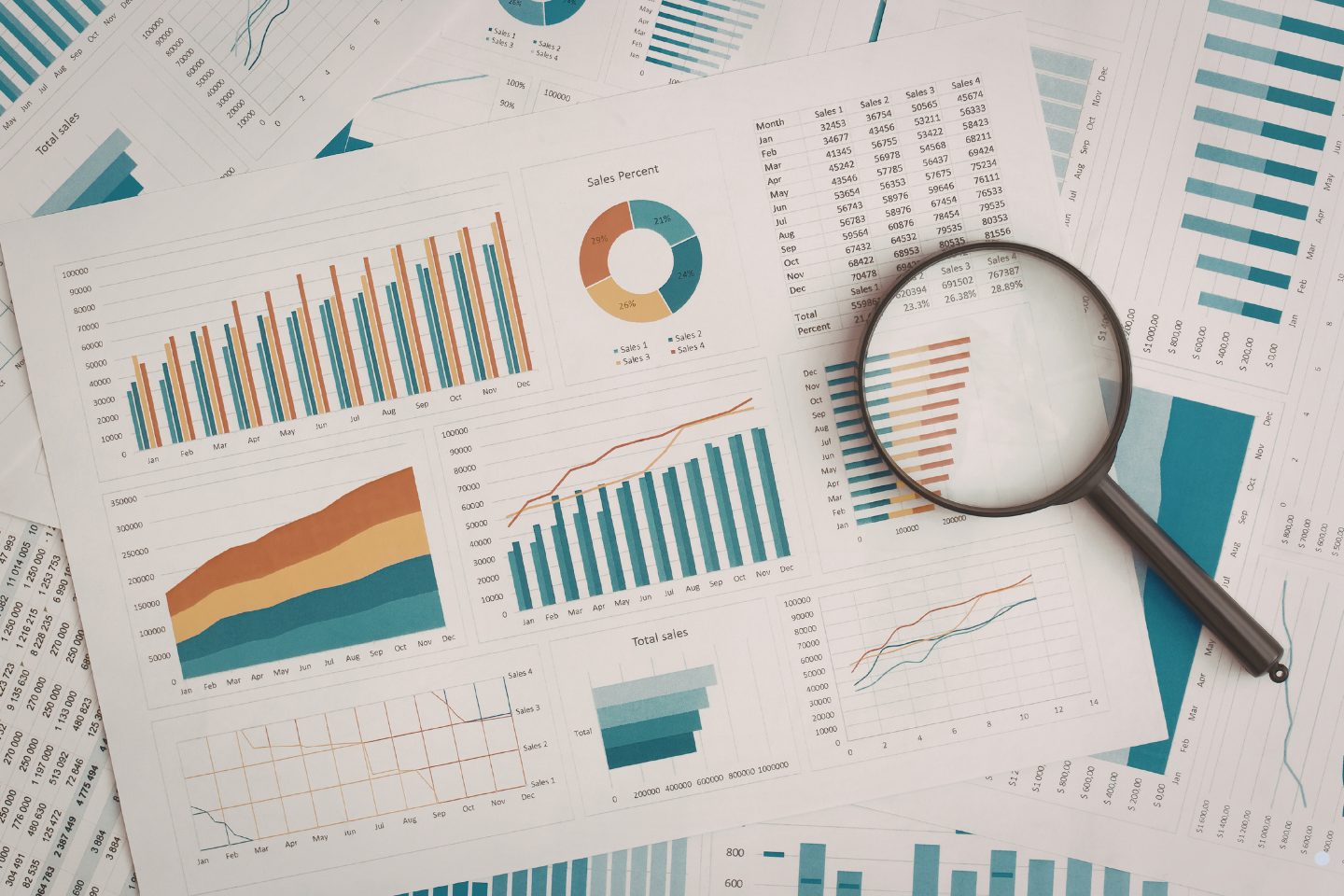
As you analyze, consider using visual aids like charts or graphs to make sense of complex data. Don’t forget to involve your team in discussions—different perspectives can lead to richer insights. Additionally, utilizing statistical tools can help you monitor process stability and quality, providing deeper insights into performance.
Lastly, document your findings thoroughly; this will help guide future decision-making. By honing in on the data, you’ll be better equipped to drive effective changes.
Continuous Improvement Through Process Indicators
While you might track various process indicators, continuous improvement hinges on how you leverage that data to refine operations.
Start by regularly reviewing your metrics to identify trends and areas needing attention. For example, if you notice a dip in productivity, dig deeper to understand the root cause.
Collaborate with your team to brainstorm actionable solutions based on your findings. Implement changes and monitor their impact through your indicators, ensuring you’re on the right track. Additionally, applying the DMAIC methodology can provide a structured approach to guide your continuous improvement efforts.
Don’t hesitate to adjust your strategies if results aren’t aligning with your goals. Continuous improvement isn’t a one-time effort; it’s an ongoing cycle of analysis, action, and adjustment.
Conclusion
Incorporating process indicators into your organization is crucial for driving efficiency and effectiveness. By regularly monitoring key metrics and analyzing the data, you can identify areas for improvement and make informed decisions. Embracing a culture of continuous improvement not only enhances productivity but also aligns your team’s efforts with strategic goals. Remember, the right process indicators empower you to take charge of your operations, fostering accountability and ensuring long-term success. Keep refining your approach for the best results!
Frequently Asked Questions
What are process indicators and why are they important?
Process indicators are measurable metrics used to evaluate how efficiently and effectively a process is being executed. They focus on the “how” of operations—tracking activities, resource use, and workflow performance—rather than just final outcomes. These indicators are important because they help identify bottlenecks, improve efficiency, and support data-driven decision-making.
How do process indicators differ from outcome indicators?
Process indicators measure the performance of activities during execution, while outcome indicators focus on the final results or impact of those activities. In simple terms, process indicators evaluate whether tasks are being done correctly, whereas outcome indicators determine whether goals were achieved. This distinction helps organizations improve both execution and results.
What are common examples of process indicators?
Common examples include cycle time, defect rates, throughput, resource utilization, and compliance with procedures. Key Performance Indicators (KPIs) are often used as process indicators to track efficiency and quality. These metrics provide insight into how well a process is functioning and where improvements can be made.
How can organizations develop effective process indicators?
Organizations can develop effective process indicators by aligning metrics with business goals, ensuring they are measurable and relevant, and collecting accurate data over time. It’s important to regularly analyze trends, identify inefficiencies, and adjust processes accordingly. Clear, actionable indicators enable better monitoring and continuous improvement.
How do process indicators support continuous improvement?
Process indicators provide real-time visibility into workflow performance, allowing organizations to detect inefficiencies and make timely adjustments. By continuously monitoring these metrics, businesses can refine processes, reduce waste, and enhance productivity. This ongoing evaluation fosters a culture of continuous improvement and operational excellence.