
Linking six Sigma to business strategy and goals is more than just a methodology; it’s a powerful tool that can propel companies toward success. In today’s fast-paced business world, achieving and maintaining a competitive edge is vital. That’s where Six Sigma comes in. By integrating the principles of Six Sigma into a company’s strategy and goals, teams can streamline processes, improve quality, and drive general performance.
Integrating Six Sigma into business strategy and goals improves processes, quality, and performance while aligning teams with broader organizational objectives for a competitive edge.
Read more about Linking Six Sigma to Business Strategy and Goals
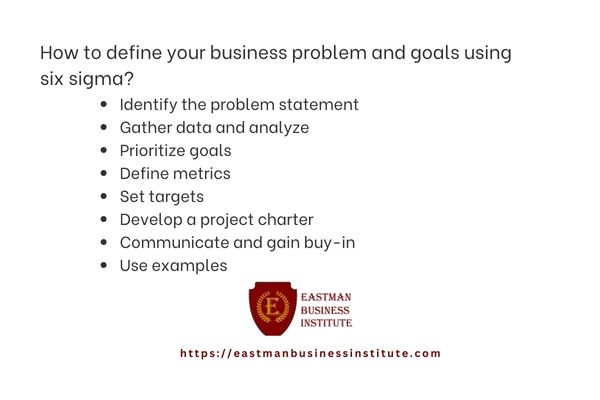
Let’s search into how this framework not only improves team dynamics and company culture but also ensures alignment with broader business objectives, making it a cornerstone for success in any organization.
More Things To Know About Linking Six Sigma to Business Strategy and Goals

Six Sigma: A Brief Understanding
Six Sigma, a quality management methodology, originated at Motorola in the 1980s. It has since been widely adopted across various industries.
The term ‘Six Sigma’ refers to a statistical measure that indicates how far a given process deviates from perfection. The goal of Six Sigma is to improve processes by identifying and removing causes of defects and minimizing variability in manufacturing and business processes. By doing so, organizations can improve efficiency, reduce errors, and ultimately increase customer satisfaction.
Originating from the manufacturing sector, Six Sigma principles have now been applied in diverse fields such as healthcare, finance, and technology. Understanding the definition and origin of Six Sigma is needed for organizations aiming to implement this methodology effectively.
Principles of Six Sigma
To understand the principles of Six Sigma, it’s important to grasp how this methodology aims to improve organizational processes and drive efficiency. Six Sigma is a data-driven approach that focuses on minimizing defects and variations in processes to achieve near-perfect results.
By integrating Six Sigma into your business strategy, you can align your goals with a systematic method for continuous improvement. This methodology emphasizes the importance of setting specific, measurable goals that are tied to the on the whole objectives of the organization.
The Role of Six Sigma in Business
Six Sigma plays a vital role in shaping your business strategy and achieving your goals.
By implementing Six Sigma methodologies, you can streamline processes, reduce errors, and improve in general efficiency within your organization.
The benefits of incorporating Six Sigma into your business practices are far-reaching and can lead to significant improvements in quality and customer satisfaction.
Six Sigma as a Business Strategy
Implementing Six Sigma as a business strategy requires a thorough understanding of its role in driving operational excellence and achieving organizational goals. By integrating Six Sigma methodologies into your company’s general strategy, you can streamline processes, reduce defects, and improve customer satisfaction.
Six Sigma helps align your company’s objectives with customer needs, leading to improved products and services. It enables you to identify key areas for improvement, prioritize projects that have the most significant impact on your goals, and measure progress effectively.
Embracing Six Sigma as a business strategy empowers your organization to make data-driven decisions, foster a culture of continuous improvement, and ultimately drive success in achieving your long-term objectives.
Benefits of Implementing Six Sigma in Business
Enhancing operational efficiency through Six Sigma methodologies can drive tangible benefits for businesses seeking to improve their processes and outcomes. By focusing on customer satisfaction, Six Sigma guarantees that products and services meet or exceed customer expectations, leading to increased loyalty and positive word-of-mouth.
Implementing Six Sigma also aligns with the balanced scorecard approach, integrating quality metrics with financial, customer, and internal process perspectives to achieve overall business goals. Critical success factors such as data-driven decision-making and continuous improvement are embedded in Six Sigma practices, enabling organizations to adapt to market changes and stay ahead of competitors.
The role of Six Sigma in business is to deliver sustainable improvements that positively impact both the bottom line and customer satisfaction.
Linking Six Sigma to Business Strategy
You must understand how Six Sigma aligns with your business strategy to increase its effectiveness.
Aligning these two aspects can lead to significant improvements in operational efficiency and overall business performance.
Understanding Business Strategy
Understanding your business strategy is important in aligning Six Sigma initiatives with your overarching goals. Your business strategy outlines the direction your company aims to take to achieve long-term success.
By integrating Six Sigma methodologies into your strategy, you can improve operational efficiency, improve customer satisfaction, and drive continuous improvement. Identifying key areas where Six Sigma can support your strategic objectives is necessary for ensuring that resources are allocated effectively.
How Six Sigma Aligns with Business Strategy
Linking Six Sigma to your business strategy involves integrating methodologies to improve operational efficiency and drive continuous improvement towards achieving long-term success. Senior management plays an important role in aligning Six Sigma initiatives with the organization’s strategic goals.
By integrating Six Sigma principles into the overall strategy, companies can better focus on customer needs, reduce defects, and streamline processes. This alignment makes certain that resources are allocated effectively and that projects are directly linked to the organization’s strategic objectives.
Six Sigma serves as a valuable tool for organizations looking to achieve sustainable growth and competitive advantage in today’s dynamic business environment. When integrated correctly, Six Sigma becomes an integral part of the organization’s strategy, driving success and delivering measurable results.
Linking Six Sigma to Business Goals
You need to understand your business goals clearly to align Six Sigma methodologies effectively. Implementing Six Sigma can help you achieve these goals by improving processes and enhancing overall business performance.
Successful integration of Six Sigma with business goals can be seen through various case studies that showcase tangible results.
Understanding Business Goals
Understanding business goals plays an important role in effectively aligning Six Sigma methodologies with the strategic direction of an organization. Business goals are the specific objectives that a company aims to achieve within a set timeframe to advance its overall strategy.
These goals provide a clear roadmap for the organization, guiding decision-making processes and resource allocation. By understanding these goals, Six Sigma initiatives can be tailored to directly impact key business metrics and contribute to the attainment of strategic objectives.
Aligning Six Sigma projects with overarching business goals guarantees that efforts are focused on areas that will drive the most significant improvements in performance and profitability. A deep comprehension of business goals is vital for successful integration of Six Sigma into the broader strategic framework of an organization.
How Six Sigma Helps Achieve Business Goals
By linking Six Sigma methodologies to business goals, organizations can drive targeted improvements in performance and profitability. Six Sigma aids in achieving business goals by emphasizing data collection to identify areas for improvement, enabling better decision-making and resource allocation.
Through Six Sigma’s management techniques, organizations can streamline processes, reduce errors, and improve overall efficiency. This results in improved performance metrics and customer satisfaction, aligning with the company’s strategic objectives.
Six Sigma Methodologies and Their Strategic Implications
When implementing Six Sigma methodologies like DMAIC and DMADV, consider their strategic implications on your business goals. Understanding how these methodologies align with your strategic context can improve process improvements and overall performance.
Make informed decisions by comparing the benefits of DMAIC and DMADV in achieving your desired outcomes.
DMAIC (Define, Measure, Analyze, Improve, Control)
Implementing the DMAIC methodology in your organization can lead to significant improvements in processes and outcomes.
Define the problem or opportunity for enhancement.
Measure the current process performance to establish a baseline.
Analyze the data to identify root causes of inefficiencies.
Implement changes to improve the process, ensuring they align with the organization’s goals.
Control the newly improved process by setting up monitoring systems to sustain the enhancements.
By following the DMAIC approach, you can systematically address issues, optimize processes, and achieve tangible results that support your business strategy and goals.
This methodology empowers you to make data-driven decisions and drive continuous improvement within your organization.
DMADV (Define, Measure, Analyze, Design, Verify)
By applying the DMADV methodology, you can strategically improve processes to achieve perfect results aligned with your organization’s goals. DMADV stands for Define, Measure, Analyze, Design, and Verify. This methodology is vital for organizations looking to develop new processes or products that meet customer requirements effectively.
In the Define phase, you outline project goals and customer needs. The Measure phase involves gathering data on current processes. Analysis helps identify areas for improvement. Design is where solutions are developed and implemented. Verification makes certain that the new process meets the defined goals.
Using tools such as process mapping, FMEA (Failure Mode and Effects Analysis), and design of experiments, the DMADV methodology guides you in creating efficient processes that align with strategic objectives.
Comparison of DMAIC and DMADV in Strategic Context
To understand the strategic implications of different Six Sigma methodologies, it is necessary to compare and contrast DMAIC and DMADV approaches. DMAIC is typically used for improving existing processes, making it valuable in technology and manufacturing settings.
DMADV is more suitable for designing new processes or products, making it beneficial when innovation is required to meet customer needs effectively. Below is a table highlighting the key differences between DMAIC and DMADV in a strategic context:
| Aspect | DMAIC | DMADV |
|---|---|---|
| Focus | Improve existing processes | Design new processes/products |
| Application | Technology, Manufacturing | Innovation to meet customer needs |
Challenges in Linking Six Sigma to Business Strategy and Goals
You face various challenges when linking Six Sigma to your business strategy and goals. Understanding these common obstacles and exploring real-life case studies can provide valuable insights into overcoming these hurdles effectively.
Common Challenges and Their Solutions
Exploring the connection between Six Sigma methodologies and overarching business strategies often presents organizations with a range of common challenges and their corresponding solutions.
One critical challenge is the initial investment required for implementing Six Sigma practices. Organizations may find it challenging to allocate the necessary resources to kickstart the Six Sigma initiative. To overcome this, it’s important to clearly demonstrate how the investment in Six Sigma aligns with the business strategy and how it can lead to long-term cost savings and increased efficiency.
Achieving buy-in from all levels of the organization is another common challenge. To address this, fostering a culture of continuous improvement and providing regular communication about the benefits of Six Sigma can help in garnering support across the board.
Future of Six Sigma in Strategic Business Management
As you look into the future of Six Sigma in strategic business management, consider the emerging trends shaping its evolution. Predict how Six Sigma will impact future business strategies and goals, guiding organizations towards greater efficiency and success.
Stay ahead by understanding the potential implications of integrating Six Sigma into strategic planning processes.
Emerging Trends in Six Sigma
In the domain of strategic business management, the future of Six Sigma is evolving rapidly with new trends shaping its implementation and impact.
Companies are increasingly incorporating Six Sigma methodologies into their operations to improve efficiency and quality.
Developing a culture that values continuous improvement is a key aspect of successful Six Sigma implementations.
One emerging trend in Six Sigma is the integration of technology, such as artificial intelligence and data analytics, to streamline processes and drive data-informed decision-making.
Another trend is the focus on customer-centric approaches, aligning Six Sigma initiatives with the needs and preferences of customers to deliver exceptional value.
Embracing these emerging trends will be vital for organizations looking to stay competitive in the constantly changing business landscape.
Predicted Impact of Six Sigma on Future Business Strategies and Goals
With Six Sigma continuing to evolve and shape the landscape of strategic business management, its predicted impact on future business strategies and goals is significant. The integration of Six Sigma projects and implementations into a company’s goals can lead to improved operational efficiency, increased customer satisfaction, and improved financial performance.
By aligning Six Sigma methodologies with strategic objectives, organizations can drive continuous improvement, reduce defects, and optimize processes to meet or exceed customer expectations.
This alignment confirms that resources are allocated effectively, risks are minimized, and decision-making is data-driven. As Six Sigma becomes more ingrained in the fabric of business operations, its influence on shaping future strategies and goals will only grow stronger, positioning companies for sustainable success in a competitive market.
Frequently Asked Questions
How Can Six Sigma Be Effectively Integrated With Other Business Improvement Methodologies?
To integrate Six Sigma with other methodologies effectively, prioritize aligning goals and processes. Guarantee clear communication, collaboration, and consistent monitoring. By fostering a culture of continuous improvement and adapting tools to suit specific needs, synergies can be increased.
What Are Some Common Barriers to Successfully Linking Six Sigma to Business Strategy and Goals?
To successfully link Six Sigma to business strategy and goals, common barriers like resistance to change, lack of leadership support, unclear alignment, and inadequate resources must be addressed. Overcoming these obstacles is important for effective integration.
How Can Organizational Culture Impact the Successful Implementation of Six Sigma in a Business?
Incorporate Six Sigma into your culture. Accept change, foster a commitment to quality, and empower employees to drive continuous improvement. Align values with Six Sigma principles to confirm successful implementation and sustainable results.
What Are Some Key Performance Indicators That Can Help Track the Success of Implementing Six Sigma in a Business Strategy?
To track the success of implementing Six Sigma in a business strategy, focus on key performance indicators like defect rates, process cycle time, customer satisfaction scores, and cost savings. These metrics will help gauge effectiveness and progress.
How Can Businesses Ensure Sustainability and Continuous Improvement After Implementing Six Sigma Initiatives?
To guarantee sustainability and continuous improvement post-Six Sigma, focus on ongoing training, regular performance reviews, fostering a culture of innovation, empowering employees to suggest improvements, and integrating feedback loops for continuous learning and adaptation in operations.
| Related Term | Definition |
|---|---|
| lean six sigma | A methodology that combines Lean manufacturing/production principles and Six Sigma quality management techniques to eliminate waste, reduce variation, and improve efficiency and quality. |
| Black Belts | Highly trained individuals within an organization who lead Six Sigma projects, facilitate problem-solving teams, and mentor Green Belts. |
| Analyze Phase | The second phase of the Six Sigma DMAIC (Define, Measure, Analyze, Improve, Control) methodology, where data is analyzed to identify root causes of problems and opportunities for improvement. |
| Linking Strategies | The process of aligning business strategies with Six Sigma initiatives to ensure that improvement efforts contribute directly to the organization’s overall objectives. |
| Business Strategy with Six Sigma | The integration of Six Sigma methodologies into an organization’s overarching business strategy to drive continuous improvement and achieve strategic goals. |
| Improvement Phase | The fourth phase of the DMAIC methodology, where solutions to identified problems are developed, implemented, and tested. |
| Company’s Performance | The overall effectiveness and efficiency of a company in achieving its goals and objectives, often measured using key performance indicators (KPIs). |
| Six Sigma DFSS | Design for Six Sigma, a methodology used to design or redesign products, processes, and services to meet customer requirements and ensure high levels of quality and reliability. |
| Improve and Control | The last phase of the DMAIC methodology, where solutions are implemented, monitored, and sustained to ensure that improvements are maintained over time. |