
In any production process, unnoticed flaws can lead to significant problems down the line. Calculating the cost of poor quality is important for businesses to identify how much money is lost due to these flaws. This involves looking at prevention costs and external failure costs within the supply chain. Understanding and addressing these hidden expenses allows companies to improve their processes, reduce the total cost, and deliver better products to customers.
Calculating the cost of poor quality helps businesses identify financial losses from defects, rework, and inefficiencies. By understanding prevention, appraisal, and failure costs, companies can reduce expenses, improve processes, and deliver better products.
Read more about Calculating the Cost of Poor Quality
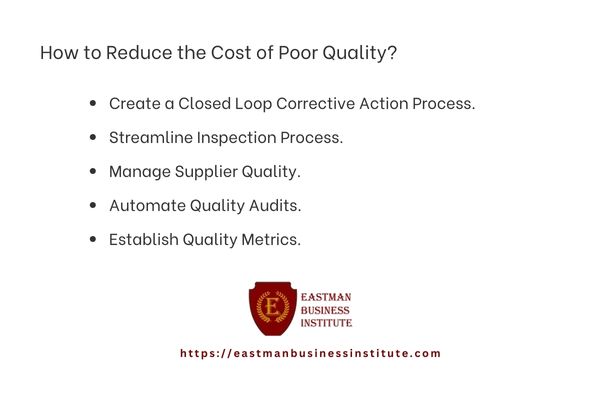
Let’s look into why tackling poor quality is so important and how it impacts the efficiency and profitability of a business.
More Things To Know About Calculating the Cost of Poor Quality

Understanding the Concept of Cost of Poor Quality (COPQ)
Understanding the Cost of Poor Quality (COPQ) starts with recognizing the expenses incurred due to inefficiencies, defects, and rework in a process. COPQ includes internal failure costs such as scrap, rework, and downtime caused by poor quality. External failure costs involve complaints, returns, and warranty claims resulting from defects reaching customers.
Quality costs encompass prevention costs to avoid poor quality, appraisal costs to assess quality levels, and the aforementioned failure costs. Poor quality impacts the organization’s bottom line by increasing COPQ due to the need for rectifying defects, handling defect material, and satisfying dissatisfied customers.
Importance of COPQ in Business
Moving on from the definition of COPQ, an important aspect to grasp is the significant impact the Cost of Poor Quality (COPQ) has on businesses.
COPQ encompasses appraisal costs, prevention costs, external failures, and failure costs, making it an important metric in quality assurance.
Appraisal costs refer to expenses incurred to evaluate products for defects before they reach customers, while prevention costs are investments in processes to avoid defects.
External failures are costs associated with defects found by customers, including warranty claims. Failure costs are expenses related to defects found internally before products reach customers.
Understanding and managing COPQ is important for businesses to improve quality, reduce waste, and improve performance.
Components of COPQ
When looking at the Components of COPQ, you’ll come across:
- Internal Failure Costs
- External Failure Costs
- Appraisal Costs
- Prevention Costs
Each of these factors plays an important role in determining the quality expenses within a business.
Understanding how these components interplay can help you identify areas for improvement and cost reduction.
Internal Failure Costs
To effectively manage the Cost of Poor Quality (COPQ), it’s important to address the Internal Failure Costs, which are significant components impacting quality and financial performance. Internal failure costs arise from quality issues within the organization, leading to expenses such as warranty costs and warranty claims.
These costs encompass not only tangible expenses related to fixing defects but intangible costs like damage to reputation and customer dissatisfaction. Identifying and reducing internal failure costs allows companies to optimize product quality, increase customer satisfaction, and ultimately improve their bottom line.
It’s vital for businesses to address these internal failures promptly to reduce their impact on both financial resources and brand perception.
External Failure Costs
Addressing internal failure costs is important for improving quality and financial performance.
Let’s examine the impact of external failure costs in the Cost of Poor Quality (COPQ). External failure costs are expenses incurred when poor quality products reach the customer, leading to customer dissatisfaction. These costs include returns, warranties, legal claims, and lost sales due to a damaged reputation.
Implementing robust quality management systems can greatly reduce external failure costs. Investing in prevention through quality control processes and training can help mitigate the occurrence of poor quality products reaching the customer.
Appraisal Costs
Appraisal costs play a significant role in the Cost of Poor Quality (COPQ) as they involve validating products or services to make sure they meet quality standards. These costs encompass appraisal activities such as inspections, testing, and quality metrics analysis to identify defects early on.
Investing in robust quality appraisal processes enables you to catch issues before a defective product reaches the customer, thereby reducing the Cost of Poor Quality (COPQ). Appraisal costs are directly linked to preventing the delivery of substandard products, which can damage your reputation and incur higher costs due to rework or returns.
Efficient appraisal activities contribute to reducing the cost of process controls, as they help maintain quality standards throughout production.
Prevention Costs
Investing in preventive measures can greatly reduce the Cost of Poor Quality (COPQ) by addressing issues before they escalate. Prevention costs are important in quality management processes as they focus on proactively avoiding defects and errors.
Implementing quality planning enables organizations to identify potential areas of improvement, reducing the likelihood of customer complaints and the need for costly corrections. continuous improvement is at the core of aspiration costs, encouraging businesses to aim for excellence and efficiency in their operations.
Allocating resources towards preventing quality issues improves product and service reliability and saves money that would otherwise be spent on rectifying mistakes. Prioritizing prevention is key to minimizing COPQ and fostering long-term success.
Calculating the Cost of Poor Quality
When calculating the Cost of Poor Quality (COPQ), you’ll follow a step-by-step process to quantify the financial impact of quality issues. Examples of COPQ calculations can clarify how different factors contribute to costs.
Understanding these calculations helps pinpoint areas for improvement and cost reduction within your organization.
Step-by-step Process of Calculating COPQ
To calculate the Cost of Poor Quality (COPQ) in a step-by-step process, you need to meticulously assess the expenses incurred due to defects, rework, and other quality-related issues within your operations.
Begin by identifying prevention costs, which are incurred to avoid defects in the first place. Then, consider quality costs, which encompass all expenses related to maintaining product quality.
Quantify the costs of defects, including internal and external failures. Utilize metrics to measure the impact of poor quality on your operations.
Examples of COPQ Calculation
When calculating the Cost of Poor Quality (COPQ), one important aspect to examine is evaluating the direct costs associated with defects and rework within your processes.
Here are some examples of how to calculate COPQ based on different cost factors:
- Defective Material Costs: Determine the expenses incurred due to using defective materials in production.
- Incoming Material Inspection Costs: Calculate the costs related to inspecting incoming materials for quality assurance.
- Raw Material Wastage Costs: Evaluate the financial impact of wasted raw materials due to poor quality control.
- Repair Costs for Poor-Quality Products: Assess the expenses involved in repairing products that didn’t meet quality standards.
Impact of COPQ on Business Performance
When considering the impact of Cost of Poor Quality (COPQ) on your business performance, it’s important to evaluate the financial implications, customer satisfaction levels, and business reputation.
Understanding how COPQ affects your bottom line, customer loyalty, and brand perception can provide valuable insights into areas needing improvement.
Financial Impact
The financial impact of Cost of Poor Quality (COPQ) directly influences a business’s performance. COPQ includes direct costs like rework expenses and scrap materials, and indirect costs such as decreased productivity and lost opportunities.
External failure costs, which arise when defects reach the customer, can heavily impact a company’s bottom line. These costs encompass warranty claims, returns, and customer support expenses.
Understanding and reducing COPQ enables businesses to improve their financial health, competitiveness, and profitability. It’s important to analyze the financial implications of poor quality to make informed decisions that drive sustainable growth and success.
Take proactive measures to reduce COPQ and optimize your financial performance.
Impact on Customer Satisfaction
To optimize your business performance, consider how the Cost of Poor Quality (COPQ) impacts customer satisfaction, a key factor in driving success and profitability.
Customer satisfaction is directly influenced by the quality standards of your products and services. When product quality or service quality doesn’t meet expectations, it can lead to dissatisfaction, customer complaints, and potential loss of business.
Implementing preventive measures to address issues at their root cause can notably improve customer satisfaction levels. Improving product quality and service quality is key to creating a positive experience for your customers, building loyalty, and ultimately improving your business performance.
Impact on Business Reputation
Improving the Cost of Poor Quality (COPQ) can greatly improve your business reputation and performance. When poor quality metrics lead to customer returns or service failures, it not only impacts immediate revenue but tarnishes your brand image.
Consistently delivering high-quality products and services helps in building strong customer relationships based on trust and satisfaction. A positive reputation for quality can lead to increased customer loyalty, positive word-of-mouth referrals, and a competitive edge in the market.
Repeated instances of poor quality can result in a damaged reputation that’s challenging to recover from. Hence, prioritizing quality control and addressing any issues promptly is important for safeguarding your business reputation and long-term success.
Strategies to Reduce COPQ
To reduce the Cost of Poor Quality (COPQ), focus on implementing Quality Management Systems. This will help improve product and service quality, streamline processes, and reduce defects.
Fostering Continuous Improvement Processes is another key strategy. This approach can help you proactively address issues and create a culture of quality within your organization.
Investing in Employee Training and Development is important for reducing COPQ. Prioritizing these areas can ultimately reduce costs associated with poor quality.
Quality Management Systems
Implementing robust Quality Management Systems is imperative for cost reduction and quality improvement. Incorporating methodologies like Six Sigma into your management approach can streamline processes, identify defects early, and improve product quality.
Effective quality management practices make certain that standards are met consistently, reducing the likelihood of defects that could lead to costly rework or customer dissatisfaction. Through strong quality management, you can proactively address issues, optimize resources, and foster a culture of continuous improvement within your organization.
Continuous Improvement Processes
To further reduce the Cost of Poor Quality, consider implementing continuous improvement processes to improve operational efficiency and product quality. Continuous improvement processes involve constantly reviewing and refining operations to uphold quality standards, reduce defects, and optimize resources.
Proactively identifying and addressing issues through techniques like statistical process control can help prevent costly errors and rework. These processes not only focus on rectifying existing problems but emphasize preventive measures to avoid quality issues before they occur.
Employee Training and Development
Consider implementing robust employee training and development programs as key strategies to reduce the Cost of Poor Quality within your organization.
Investing in employee training not only sharpens their skills and knowledge but improves product quality, reduces defects, and ultimately reduces costs associated with poor quality. Well-trained employees are better equipped to identify and address quality issues promptly, leading to fewer mistakes, rework, and customer complaints.
Prioritizing ongoing development initiatives empowers your workforce to deliver higher quality outputs, thereby improving product and service excellence.
The Role of Technology in Managing COPQ
When managing COPQ, technology plays an important role. Quality Management Software can streamline processes and help in identifying areas for improvement.
Data analytics can further improve your understanding of COPQ by providing valuable insights for decision-making.
Use of Quality Management Software
To effectively manage the Cost of Poor Quality (COPQ), integrating Quality Management Software into your processes is important. Quality management software plays a critical role in helping you prevent defects and maintain good quality standards.
Utilizing this software enables you to identify areas where the risk of defects is high, empowering you to take proactive measures to address potential issues before they escalate. Quality management software provides valuable insights into your operations, enabling you to make data-driven decisions that improve quality and reduce the cost of poor quality.
Embracing this technology empowers your organization to streamline processes, improve efficiency, and ultimately deliver products and services that meet or exceed customer expectations.
Role of Data Analytics in Identifying COPQ
In identifying the Cost of Poor Quality (COPQ), leveraging data analytics plays an important role in pinpointing areas for improvement and cost reduction. Data analytics enables you to look deeply into your organization’s processes, identifying inefficiencies, defects, and bottlenecks that contribute to COPQ.
Analyzing data contextually relevant to quality issues enables the uncovering of hidden patterns and root causes that traditional methods might overlook. With the insights gained from data analytics, you can make informed decisions on where to focus your efforts to address COPQ effectively.
Utilizing technology to harness the power of data analytics streamlines the identification process and empowers you to take targeted actions that drive continuous quality improvement and cost savings.
Future Trends in COPQ Management
You should search how predictive analytics can revolutionize COPQ management by anticipating and preventing quality issues before they occur.
Consider the significant impact artificial intelligence can have on reducing COPQ through automated processes and decision-making.
These emerging trends hold immense potential for transforming how organizations address and reduce the costs associated with poor quality.
Predictive Analytics and COPQ
Embracing predictive analytics can revolutionize Cost of Poor Quality (COPQ) management, improving efficiency and reducing waste in processes. Utilizing predictive analytics empowers businesses to proactively identify areas where quality issues may arise, allowing for preemptive actions to be taken to maintain the quality of products and performance standards.
Predictive analytics can analyze historical data to forecast potential quality defects, enabling companies to address root causes before they escalate, ultimately reducing the COPQ. This pivotal approach improves product quality while minimizing the costs associated with poor quality, leading to increased customer satisfaction and improved profitability.
Implementing predictive analytics in COPQ management is vital for staying ahead in today’s competitive market landscape.
The Role of Artificial Intelligence in Reducing COPQ
Utilizing artificial intelligence offers a pivotal solution to further reduce Cost of Poor Quality (COPQ) by harnessing advanced technology to optimize predictive capabilities and proactively address quality issues before they impact operations.
Artificial intelligence is important in reducing COPQ by analyzing vast amounts of data to identify patterns and trends that may lead to quality defects or inefficiencies. Implementing AI-powered systems enables organizations to detect potential issues early on, allowing for timely interventions and preventing costly quality failures.
AI can streamline processes, optimize workflows, and provide real-time insights to help businesses make informed decisions that positively impact quality and productivity. Embracing artificial intelligence as a tool in COPQ management is key to driving continuous improvement and operational excellence.
Frequently Asked Questions
How Does the Cost of Poor Quality (Copq) Differ From Other Types of Costs in a Business?
In a business, the cost of poor quality (COPQ) stands out due to its focus on expenses linked to defects, errors, and rework. Understanding COPQ helps you pinpoint areas needing improvement and improves efficiency.
Are There Industry-Specific Factors That Can Affect the Components of Copq?
In your industry, specific factors can influence the components of COPQ. Understanding these unique elements will help you pinpoint areas for improvement and cost reduction, ultimately improving the quality of your products or services.
What Are Some Common Challenges Faced When Calculating the Cost of Poor Quality?
When calculating the cost of poor quality, you may encounter challenges like identifying all related expenses, determining intangible costs, and obtaining accurate data. These obstacles can impact the accuracy of your analysis.
How Can the Impact of COPQ on Business Performance Be Quantified and Measured?
To quantify and measure the impact of COPQ on business performance, analyze data, identify areas for improvement, and implement cost-effective solutions. Regularly review processes, engage stakeholders and track key metrics to drive positive outcomes.
What Are Some Innovative Strategies That Companies Have Successfully Implemented to Reduce Their COPQ?
To reduce your COPQ, companies have welcomed innovative strategies like Lean Six Sigma practices, implementing quality control tools, enhancing employee training, and fostering a culture of continuous improvement. These initiatives drive efficiency and cut costs.