
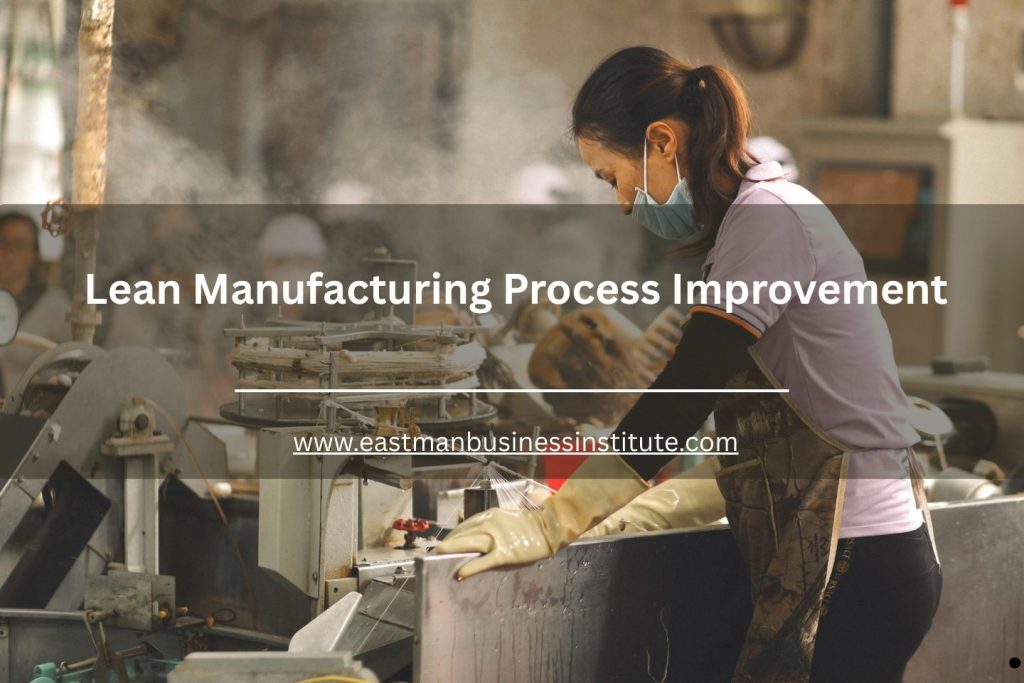

Lean manufacturing focuses on maximizing value by eliminating waste through principles like value stream mapping and Just-In-Time inventory. Success requires fostering a culture of continuous improvement with tools such as 5S, Kaizen, and root cause analysis.
When it comes to lean manufacturing process improvement, you’re looking at a strategy that can transform your operations. It’s all about maximizing value while cutting down on waste. By embracing principles like value stream mapping and Just-In-Time inventory, you can streamline workflows effectively. But what does it really take to foster a culture of continuous improvement in your organization? Let’s explore the key elements that can drive your success.
Understanding Lean Manufacturing Principles
Lean manufacturing principles focus on maximizing value while minimizing waste. You’ll find that these principles encourage you to streamline processes, enhance efficiency, and improve product quality.
By adopting a customer-centric approach, you ensure that every step in your production adds value to the end user. You’ll also emphasize continuous improvement, which means regularly assessing and refining your processes.
Techniques like value stream mapping can help you visualize workflows and identify areas for enhancement. Moreover, fostering a culture of collaboration and open communication among team members is crucial. This way, everyone is engaged in the pursuit of excellence.
Understanding these core principles will empower you to create a more efficient, responsive, and successful manufacturing environment. Additionally, incorporating Lean Six Sigma methodologies can further enhance your ability to identify and eliminate inefficiencies in your processes.

Identifying and Eliminating Waste
In any manufacturing process, eliminating waste is crucial for boosting efficiency and profitability. You’ll want to start by identifying the types of waste present in your operations.
Look for overproduction, waiting times, unnecessary transportation, excess inventory, defects, unnecessary motion, and unused talent. Each of these areas can drain resources and slow down your production.
Once you’ve pinpointed these wastes, prioritize which ones to tackle first based on their impact. Engage your team in brainstorming sessions to generate innovative solutions.
Encourage them to share ideas on streamlining processes and improving workflow. By actively involving everyone, you create a culture focused on continuous improvement, which aligns with the core principles of Lean Six Sigma.
Tools and Techniques for Lean Implementation
To successfully implement lean principles, you’ll need a range of tools and techniques designed to streamline processes and enhance productivity.
Start with Value Stream Mapping, which helps you visualize workflows and identify waste. Next, employ the 5S methodology to organize your workspace, ensuring efficiency and safety. Additionally, consider integrating visual management techniques to further enhance workplace organization and clarity.
Kaizen encourages continuous improvement, so foster a mindset for small, incremental changes. Use Just-In-Time inventory to reduce excess stock and minimize costs. Implement root cause analysis to tackle issues effectively, preventing them from recurring. Lastly, incorporate standardized work procedures to maintain consistency and quality.
Fostering a Culture of Continuous Improvement
Creating a culture of continuous improvement hinges on empowering your team to embrace change and innovation.
Encourage open communication where everyone feels comfortable sharing ideas and feedback. This collaboration fosters an environment where employees take ownership of their work and seek ways to enhance processes.
Recognize and reward contributions that lead to improvements, no matter how small. Regularly hold brainstorming sessions to generate new ideas and solutions, reinforcing the notion that improvement is everyone’s responsibility.
Provide training and resources to help your team develop skills necessary for problem-solving and innovation. Additionally, cultivating a culture of accountability helps to ensure that team members feel responsible for their contributions to the improvement process.

Measuring Success in Lean Initiatives
Empowering your team to embrace continuous improvement sets the stage for measuring success in lean initiatives.
To gauge effectiveness, start by establishing clear metrics that align with your goals. Track key performance indicators (KPIs) like lead time, waste reduction, and overall equipment effectiveness. Regularly review these metrics to identify trends and areas for improvement.
Encourage your team to share insights and celebrate small wins, as these contribute to overall success. Use tools like value stream mapping to visualize progress and pinpoint inefficiencies. Additionally, incorporating data-driven decision-making into your process can enhance the effectiveness of your lean initiatives.
Case Studies of Successful Lean Transformations
While many organizations strive for lean transformation, a few stand out due to their remarkable success stories.
Take Toyota, for example. By implementing the Toyota Production System, they revolutionized automotive manufacturing, reducing waste and increasing efficiency.
You can also look at Boeing, which adopted lean principles to streamline its production processes, significantly cutting lead times and costs.
Another noteworthy case is the healthcare sector, where Virginia Mason Medical Center adopted lean practices to enhance patient care and reduce wait times.
These examples show that with commitment and the right strategies, you can achieve impressive results. Additionally, their successes illustrate the importance of continuous improvement, which is a core principle of Lean methodology.
Conclusion
In embracing lean manufacturing, you’re not just cutting waste; you’re creating a culture that values efficiency and continuous improvement. By implementing key tools and techniques, you can streamline processes and enhance productivity. Remember, measuring success is vital to track your progress and celebrate achievements. As you engage your team in this journey, you’ll foster innovation and drive operational performance to new heights. Lean isn’t just a strategy; it’s a mindset that can transform your organization.
Frequently Asked Questions
What Is Lean Manufacturing Process Improvement?
Lean manufacturing process improvement is a methodology focused on reducing waste, improving efficiency, increasing productivity, and delivering greater value to customers. Lean principles help organizations streamline workflows, eliminate non-value-added activities, and create more efficient manufacturing operations. (lean.org)
Why Is Lean Manufacturing Important for Businesses?
Lean manufacturing helps businesses improve operational performance, reduce production costs, minimize delays, improve product quality, and increase customer satisfaction. By focusing on continuous improvement and waste reduction, organizations can create more efficient and competitive operations. (lean.org)
What Are the Main Principles of Lean Manufacturing?
The core principles of Lean manufacturing include identifying customer value, mapping the value stream, creating smooth workflow processes, establishing pull systems, and pursuing continuous improvement. These principles help organizations improve efficiency while reducing unnecessary activities and operational waste. (twi-global.com)
What Tools Are Commonly Used in Lean Manufacturing Process Improvement?
Common Lean manufacturing tools include 5S, Kaizen, Value Stream Mapping, Kanban, Root Cause Analysis, Just-in-Time (JIT) production, and Continuous Improvement methodologies. These tools help organizations improve workflow visibility, standardize processes, and enhance operational performance. (lean.org)
Who Can Benefit From Lean Manufacturing Training?
Lean manufacturing training is valuable for production managers, operations leaders, quality assurance professionals, engineers, supervisors, and employees involved in manufacturing and process improvement initiatives. Lean concepts can also be applied beyond manufacturing in healthcare, logistics, and service industries.