
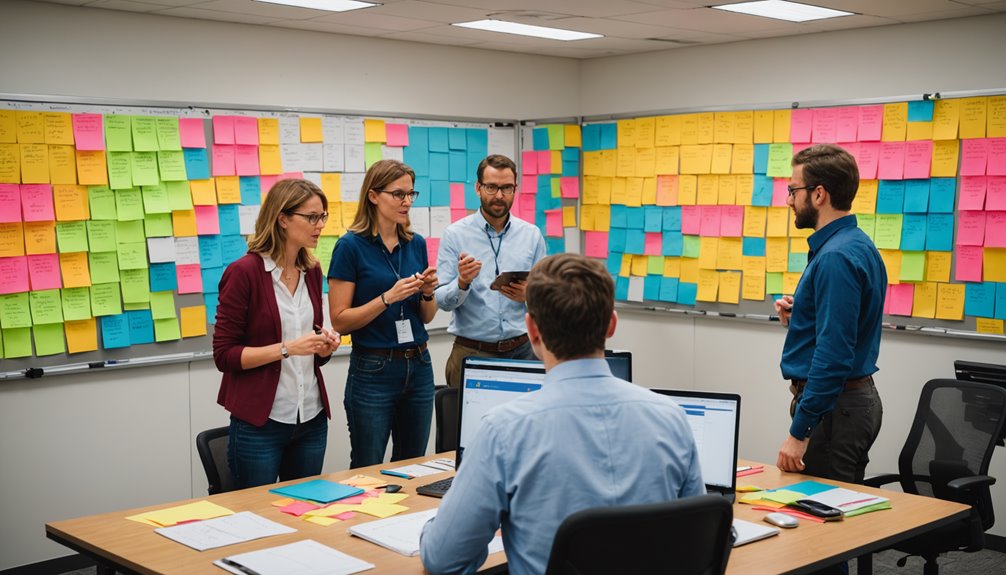
The Lean Improvement Cycle is a structured, five-step methodology for continuous process enhancement, focusing on identifying waste, developing solutions, and implementing changes to increase efficiency and customer value.
When you think about improving processes in your organization, the Lean improvement Cycle offers a structured way to tackle inefficiencies. It's not just about cutting costs; it's about enhancing value for your customers. As you explore this cycle, you'll discover the key principles that drive successful change. But what are the specific steps that can lead to tangible improvements? Let's uncover that next.
Understanding the Lean Improvement Cycle
When you dive into the Lean improvement Cycle, you'll discover it's all about continuous enhancement in processes. This cycle emphasizes identifying waste, improving efficiency, and delivering greater value to customers.
You start by assessing your current processes, pinpointing areas that need improvement. Next, you develop solutions to address these inefficiencies. It's crucial to implement changes gradually, testing their impact before full-scale adoption.
You'll gather feedback throughout this journey, allowing you to refine your approach continuously. By actively engaging with your team, you foster a culture of collaboration and innovation.
Ultimately, the Lean Improvement Cycle isn't a one-time effort; it's a commitment to ongoing growth and adaptation, ensuring your processes remain effective and aligned with customer needs. This approach aligns with continuous improvement principles that are central to Lean six sigma, promoting sustained operational excellence.
Key Principles of Lean Methodology
As you explore the Lean Improvement Cycle, you'll encounter several key principles that form the backbone of Lean methodology.
First, focus on value by understanding what your customers truly need and eliminating anything that doesn't add value.
Next, embrace continuous improvement by fostering a culture where everyone feels empowered to suggest enhancements.
You'll also prioritize respect for people—acknowledge the role of your team in driving success.
Another principle is the elimination of waste, which involves identifying and removing inefficiencies in processes.
Finally, adopt a systems perspective by viewing your organization as an interconnected whole. Additionally, integrating Lean principles with Six Sigma methodologies can lead to enhanced efficiency and quality in your processes.
Steps in the Lean Improvement Cycle

The Lean Improvement Cycle consists of five essential steps that guide organizations in their pursuit of efficiency and effectiveness.
First, you'll define the problem clearly, understanding the specific challenges you face.
Next, you'll analyze the current process to uncover inefficiencies and bottlenecks.
Once you've gathered insights, it's time to develop solutions that address the identified issues.
Implement those solutions in a controlled manner, ensuring you monitor the process closely.
Finally, evaluate the results to determine the effectiveness of your improvements.
If you find gaps, don't hesitate to iterate on your solutions.
Identifying Waste in Processes
To identify waste in processes effectively, you'll want to pay close attention to every step and action involved.
Start by mapping out your process, noting each task and decision point. Look for delays, excess motion, and any unnecessary steps that don't add value. Ask yourself if each action is necessary or if it can be eliminated or streamlined.
Engage your team; their insights can reveal hidden inefficiencies. Observe how materials and information flow, and watch for bottlenecks that slow down progress.
Finally, categorize waste into types like overproduction, waiting, or defects. By pinpointing these areas, you'll set the stage for meaningful improvements that enhance efficiency and drive results in your processes. Utilizing continuous improvement principles from Lean Six Sigma can further empower your team to identify and eliminate waste effectively.
Implementing Change Effectively
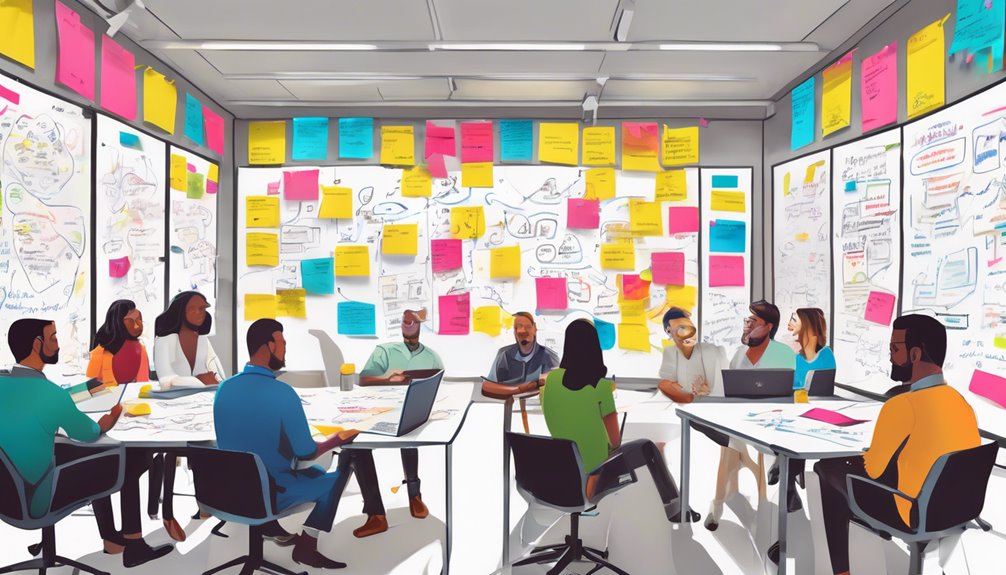
Once you've identified waste in your processes, the next step is implementing change effectively. Start by engaging your team; their input is crucial for a smooth transition.
Clearly communicate the changes and the reasons behind them to foster understanding and buy-in. Create a detailed action plan outlining responsibilities, timelines, and resources needed.
Pilot the changes on a small scale to test their effectiveness before full implementation. Encourage feedback throughout the process, and be ready to adjust as necessary.
Training is vital—ensure everyone knows their new roles and responsibilities. Celebrate small wins to maintain momentum and motivation. Additionally, fostering a culture of continuous improvement is essential for the long-term success of your implemented changes.
Measuring Results and Impact
How can you truly know if your changes are making a difference? Measuring results and impact is crucial. Start by identifying key performance indicators (KPIs) that align with your goals. These metrics should be specific, measurable, achievable, relevant, and time-bound (SMART).
Regularly collect and analyze data to see how your changes affect productivity, quality, and customer satisfaction. Don't forget to gather feedback from your team; their insights can provide valuable context to the numbers.
Use visual tools like dashboards to track progress and communicate results effectively. By comparing pre- and post-implementation metrics, you'll gain a clearer picture of your improvements. Additionally, focus on Defects Per Million Opportunities to quantify the effectiveness of your process improvements.
Fostering a Culture of Continuous Improvement

Measuring results and impact lays the groundwork for fostering a culture of continuous improvement within your organization.
To truly embrace this culture, you need to encourage open communication and collaboration among team members. Create an environment where everyone feels comfortable sharing ideas and feedback.
Recognize and celebrate small wins to motivate your team and reinforce the value of improvement. Provide training and resources, enabling employees to develop their skills and innovate.
Make it clear that continuous improvement isn't just a one-time effort; it's an ongoing journey. Lead by example—your commitment to improvement will inspire others. Additionally, fostering a supportive environment is essential for encouraging innovation and growth within the team.
Real-World Applications of the Lean Improvement Cycle
While many organizations recognize the value of the Lean Improvement Cycle, applying its principles in real-world scenarios can transform operations significantly.
You can start by identifying waste in your processes, whether in manufacturing or service industries. For instance, a healthcare facility might streamline patient intake by analyzing data and eliminating unnecessary steps, resulting in reduced wait times.
In retail, you could improve inventory management by implementing just-in-time delivery, minimizing excess stock. By fostering a team-oriented approach, everyone contributes ideas for improvement, enhancing engagement and ownership.
Regularly reviewing outcomes ensures you stay on track, making adjustments as needed. Ultimately, you'll find that embracing the Lean Improvement Cycle not only boosts efficiency but also elevates customer satisfaction and employee morale. Additionally, integrating lean principles can further enhance quality and decrease lead times in your operations.
Conclusion
In conclusion, embracing the Lean Improvement Cycle can transform your organization by streamlining processes and enhancing customer satisfaction. By understanding key principles, identifying waste, and measuring results, you're setting the stage for continuous improvement. Remember, fostering a culture that values collaboration and employee engagement is crucial for success. As you iterate through these steps, you'll not only boost efficiency but also empower your team to innovate and drive lasting change. Start your Lean journey today!