
When you think about improving efficiency in your organization, Lean and Six Sigma might come to mind. These methodologies aren't just buzzwords; they offer structured approaches to enhance quality and reduce waste. By understanding their principles, you can start to see how they complement each other. But how do you effectively integrate both to drive real change? Let's explore the nuances and potential of these powerful tools.
Understanding Lean Principles
When you dive into Lean principles, you'll quickly discover that they focus on maximizing value while minimizing waste. Lean encourages you to streamline processes, ensuring that every step adds value to the end product.
You'll learn to identify and eliminate non-value-adding activities, which helps in increasing efficiency. By adopting Lean thinking, you'll create a culture of continuous improvement within your organization. You'll engage your team, empowering them to contribute ideas for enhancing workflows.
Visual tools, like value stream mapping, will help you visualize processes and spot bottlenecks easily. Remember, Lean isn't just about cutting costs; it's about delivering quality and satisfaction to your customers. This approach emphasizes continuous improvement, which is essential for maximizing operational efficiency and customer value.
You'll find that applying these principles can transform not only your processes but also your overall business performance.
The Six Sigma Methodology
Lean principles set the stage for a robust approach to process improvement, but integrating Six Sigma can take your efforts to the next level.
Six Sigma focuses on reducing defects and variability in your processes, ensuring you deliver quality products consistently. By employing the DMAIC framework—Define, Measure, Analyze, Improve, and Control—you can systematically tackle issues.
Start by defining the problem and measuring current performance. Analyze data to identify root causes, then implement targeted improvements. Finally, control the new processes to maintain gains.
Utilizing Six Sigma tools, like process mapping and statistical analysis, empowers you to make data-driven decisions. Key principles emphasize a customer-centric approach and encourage collaboration among teams. Embrace this methodology to enhance efficiency and customer satisfaction while fostering a culture of continuous improvement in your organization.
Key Differences Between Lean and Six Sigma
While both Lean and Six Sigma aim to improve processes, they each focus on different aspects of efficiency and quality. Lean targets waste reduction and streamlining workflows, emphasizing speed and value from the customer's perspective.
You'll find that Lean encourages a culture of continuous improvement, urging teams to identify and eliminate non-value-added activities.
On the other hand, Six Sigma zeroes in on reducing variation and defects to enhance quality and consistency. It employs statistical methods and data analysis to identify root causes of problems.
Essentially, Lean is about speeding up processes, while Six Sigma is about ensuring those processes are accurate and reliable. Understanding these distinctions helps you choose the right approach for your specific organizational goals. Moreover, data-driven decision-making is a critical component that underpins both methodologies, ensuring improvements are based on solid evidence rather than intuition.
The Importance of Waste Reduction
Understanding the importance of waste reduction is crucial for any organization aiming to enhance efficiency and drive value. When you focus on reducing waste, you streamline processes and eliminate unnecessary costs. This isn't just about cutting expenses; it's about creating a culture that prioritizes continuous improvement.
By identifying and minimizing waste, you free up resources that can be reinvested into more valuable activities, ultimately boosting productivity. You'll also improve customer satisfaction, as reducing waste often leads to faster delivery times and higher quality products. Implementing lean principles can significantly enhance your organization's ability to eliminate waste effectively.
Engaging your team in waste reduction efforts fosters collaboration and innovation, ensuring everyone is aligned with the organization's goals. So, take the initiative to assess your operations and actively pursue waste reduction for long-term success.
Data-Driven Decision Making in Six Sigma

In a world where data reigns supreme, embracing data-driven decision making in Six Sigma is essential for achieving measurable improvements. You need to collect and analyze relevant data to identify problem areas and understand the root causes of defects. By using statistical methods, you can quantify performance and track progress over time. This approach empowers you to make informed choices rather than relying on gut feelings.
Additionally, data-driven decision making helps you prioritize projects based on potential impact and aligns your goals with customer needs. As you implement changes, continuous data monitoring allows for real-time adjustments, enhancing overall efficiency. Furthermore, leveraging key metrics in Six Sigma enables you to effectively measure success and guide improvement initiatives.
Ultimately, harnessing data in Six Sigma not only streamlines processes but also fosters a culture of accountability and excellence within your organization.
Tools and Techniques Used in Lean
Lean methodology employs a variety of tools and techniques to eliminate waste and enhance efficiency in processes.
One of the most effective tools is value stream mapping, which helps you visualize and analyze the flow of materials and information.
Another crucial technique is the 5S methodology, focusing on sorting, setting in order, shining, standardizing, and sustaining a clean workspace.
You can also implement Kaizen, promoting continuous improvement through small, incremental changes.
Additionally, using Just-In-Time (JIT) inventory systems minimizes excess stock and reduces waste.
Lastly, root cause analysis allows you to identify and address underlying issues, ensuring long-term solutions. Implementing 5S principles can greatly contribute to maintaining an organized and efficient workplace.
Integrating Lean and Six Sigma for Maximum Impact

While many organizations focus on either Lean or Six Sigma independently, combining the two methodologies can lead to powerful improvements in efficiency and quality.
By integrating Lean's focus on waste reduction with Six Sigma's emphasis on reducing variation, you can streamline processes while ensuring high standards.
Start by identifying areas where waste and defects overlap; this dual approach allows you to tackle problems from multiple angles.
Engage teams in cross-functional training to foster a culture of continuous improvement.
Use data-driven decision-making to prioritize initiatives that yield the highest impact.
Ultimately, this synergy not only enhances operational performance but also boosts employee morale, as everyone becomes invested in achieving both speed and excellence in their work. Moreover, implementing the DMAIC structured approach can provide a clear framework for driving effective changes in processes.
Case Studies: Successful Implementation
Many organizations have successfully implemented Lean and Six Sigma, demonstrating how these methodologies can transform operations.
For instance, a manufacturing company reduced production time by 30% after adopting these practices. By streamlining workflows and eliminating waste, they significantly increased efficiency and output.
In the healthcare sector, a hospital improved patient flow, reducing wait times by 40%. They used Six Sigma tools to identify bottlenecks, enhancing patient care and satisfaction.
Another example is a retail chain that cut inventory costs by 25% through Lean techniques, allowing for quicker stock turnover.
These case studies illustrate that with commitment and the right strategies, you can achieve remarkable results, enhancing both productivity and customer satisfaction in your organization. The successful implementation of these methodologies often relies on data-driven decision-making, which is crucial for identifying areas of improvement and measuring results effectively.
Common Challenges and Solutions
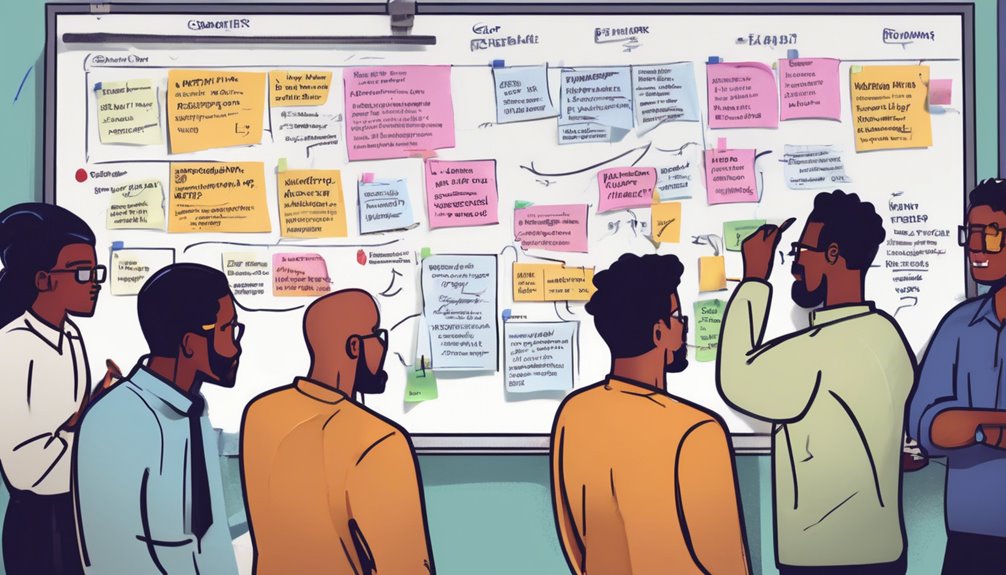
Implementing Lean and Six Sigma can often present several challenges that organizations must navigate. One major hurdle is resistance to change; employees may be hesitant to adopt new processes. To tackle this, you should foster a culture of open communication and involve team members in the decision-making process.
Another challenge is inadequate training; without proper knowledge, your team could struggle with implementation. Investing in comprehensive training programs can bridge this gap.
Additionally, measuring progress can be tough. Establish clear metrics to track improvements and celebrate small wins to maintain momentum. Furthermore, securing executive buy-in is essential to ensure the necessary support and commitment for successful implementation.
The Future of Lean and Six Sigma in Business
As businesses continue to evolve, Lean and Six Sigma methodologies are poised to play an even more critical role in driving efficiency and innovation.
You'll find that as automation and data analytics advance, these methodologies will integrate seamlessly, enhancing decision-making processes. By embracing a culture of continuous improvement, you're setting the stage for sustainable growth. Additionally, the principles of Kaizen and its philosophy will further support organizations in their pursuit of excellence and efficiency.
In the future, expect to see a greater focus on customer-centric approaches, where Lean and Six Sigma techniques will help tailor products and services to meet changing needs.
Additionally, as remote work becomes more common, these methodologies will adapt to optimize virtual teams and processes. Staying current with these trends will ensure your organization remains competitive in an ever-changing business landscape.
Conclusion
Incorporating Lean and Six Sigma into your organization can transform how you operate, driving efficiency and quality. By focusing on waste reduction and data-driven decision-making, you'll not only enhance your processes but also boost customer satisfaction. As you face challenges, remember that integrating these methodologies can lead to sustainable growth and continuous improvement. Embrace the future of business by leveraging Lean and Six Sigma together, and watch your organization thrive in an increasingly competitive landscape.