
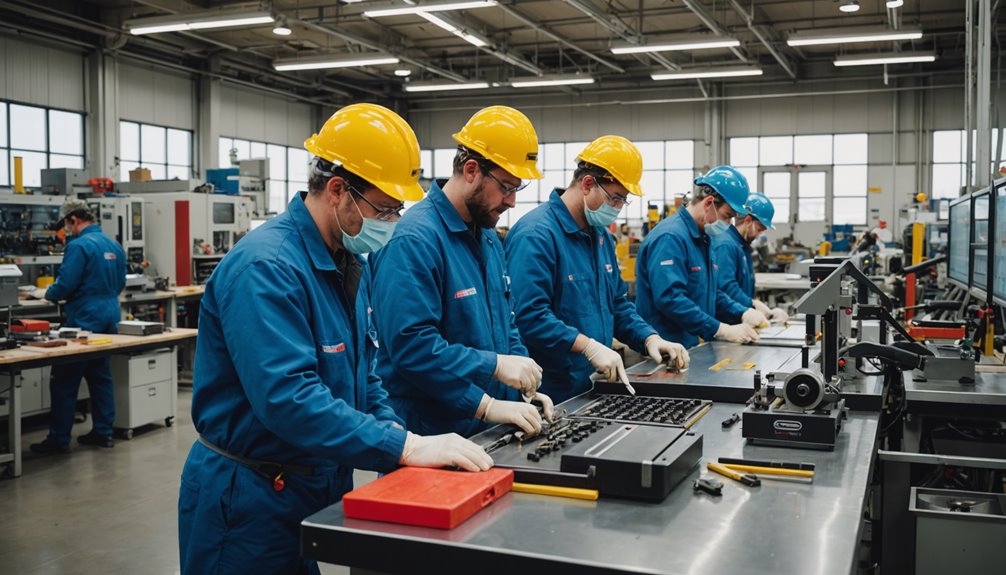
Gemba is a Lean management practice that involves leaders directly observing work processes in their actual environment to identify inefficiencies and engage employees for continuous improvement.
When you think about improving processes in your organization, have you considered the value of Gemba? This approach encourages you to step into the actual work environment, observe firsthand, and engage with your team. By doing so, you'll uncover insights that might otherwise go unnoticed. But how do you effectively implement Gemba practices, and what challenges might arise along the way? Exploring these aspects can lead to significant operational improvements.
Understanding the Concept of Gemba
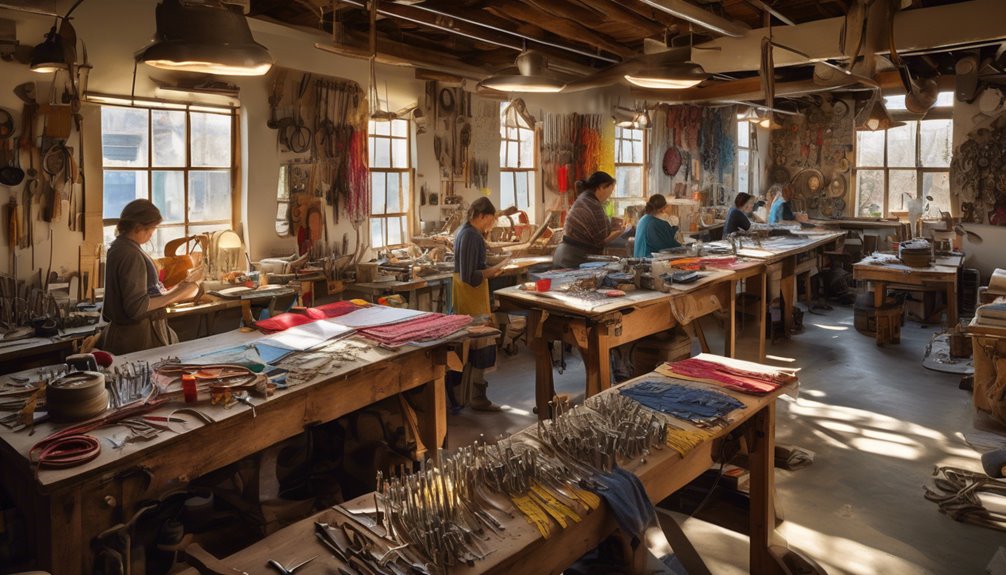
Gemba, a Japanese term meaning "the real place," emphasizes the importance of going to the actual location where work happens. When you engage with Gemba, you start to see the processes and challenges firsthand.
It's not just about reports or data; it's about observing the workflow, talking to employees, and understanding their perspectives. By stepping into the Gemba, you can identify inefficiencies and opportunities for improvement that might be overlooked from a distance.
This hands-on approach fosters a culture of continuous improvement and empowers you to make informed decisions. You'll realize that real insights come from the ground level, where the action is.
Embrace Gemba, and unlock the potential for transformation in your workplace.
The Historical Roots of Gemba in Lean Management
While many modern management practices draw inspiration from various methodologies, the roots of Gemba in Lean management can be traced back to the Toyota Production System (TPS) developed in the mid-20th century.
At Toyota, the focus was on improving efficiency and reducing waste by engaging directly with the work environment. This meant that leaders and team members had to go to the "gemba," or the real place, to observe and understand the processes firsthand.
The Importance of Observing Work Processes

Observing work processes is crucial for uncovering inefficiencies and identifying improvement opportunities. When you take the time to watch how tasks are performed, you'll spot bottlenecks, redundancies, and areas where resources aren't utilized effectively. This firsthand insight allows you to make informed decisions about necessary changes.
You can also gather valuable feedback from team members who are involved in the processes daily. By engaging directly with the workflow, you'll develop a deeper understanding of the challenges faced and the potential solutions.
Additionally, observing work processes fosters a culture of continuous improvement, encouraging everyone to contribute ideas and solutions. This practice aligns with the core principles of Kaizen, which emphasizes respect for people and the importance of eliminating waste. Ultimately, this practice lays the groundwork for a more efficient and productive work environment.
Engaging Employees at the Gemba
Engaging employees at the Gemba is essential for fostering a sense of ownership and collaboration. When you actively involve your team in discussions and decision-making, they're more likely to feel valued and invested in their work.
Encourage them to share their insights and experiences; this not only boosts morale but also enhances communication. Make it a habit to ask for their input during Gemba walks, as they often have the best understanding of the processes.
Recognize their contributions to motivate and inspire others. By creating an environment where employees feel empowered, you'll build a stronger team that's committed to continuous improvement.
Identifying Wastes and Opportunities for Improvement
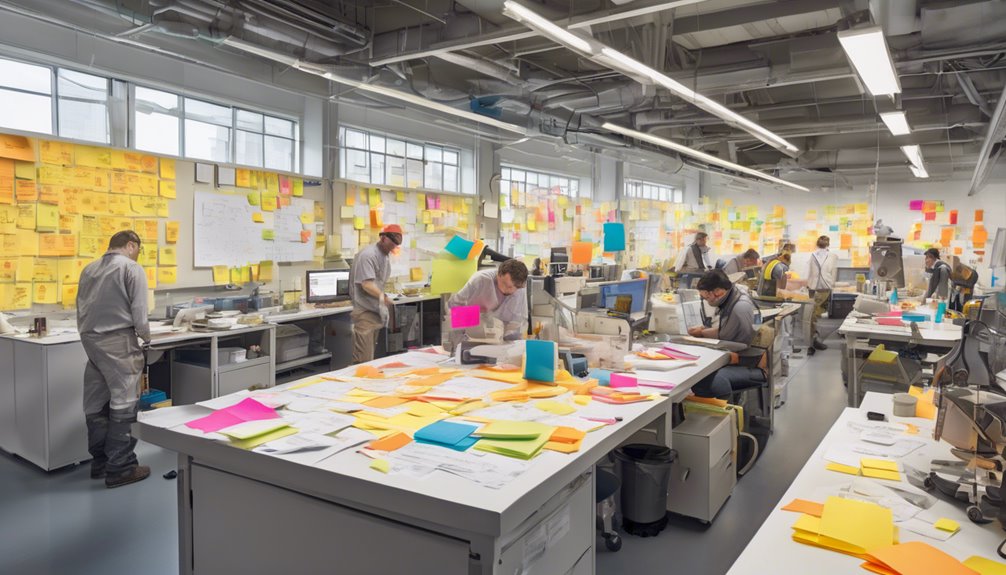
Identifying wastes and opportunities for improvement is crucial for streamlining processes and enhancing efficiency. You need to look closely at your operations to spot any non-value-adding activities, such as excessive waiting times, unnecessary movements, or overproduction.
Ask yourself what steps can be eliminated or simplified. Involve your team in this process; their insights can reveal hidden issues. Regularly review workflows and gather data to pinpoint bottlenecks.
It's essential to prioritize these findings based on their impact on productivity and customer satisfaction. By focusing on these areas, you'll create a culture of continuous improvement, empowering everyone to contribute ideas that help reduce waste. This proactive approach aligns with Lean principles and enhances your overall performance and drives better results.
Gemba Walks: Best Practices for Implementation
After pinpointing areas of waste and opportunities for improvement, it's time to take action through Gemba walks. Start by scheduling regular visits to the workplace, ensuring you engage with employees on the floor.
Observe processes firsthand and ask open-ended questions to gain insights on their challenges. Remember to be respectful and listen actively; your goal is to understand, not to blame.
Focus on specific areas where you identified waste, and encourage team members to share their ideas for improvement. Document your findings and prioritize actions based on impact.
Finally, follow up on changes made to show that their input matters, reinforcing a sense of ownership and investment in the process.
Building a Culture of Continuous Improvement

Building a culture of continuous improvement is essential for fostering an environment where employees feel empowered to innovate and contribute.
You can start by encouraging open communication and actively seeking input from your team. Make it clear that all ideas are welcome, regardless of their source.
Regularly celebrate small wins to reinforce the value of incremental changes. Create opportunities for training and skill development, ensuring everyone has the tools they need to improve their work processes.
Lead by example; when you demonstrate a commitment to improvement, others will follow suit. Additionally, promote cross-functional collaboration to enhance problem-solving capabilities and leverage diverse expertise within your organization.
Lastly, implement feedback loops where employees can see the impact of their contributions. This way, you cultivate a dynamic atmosphere that prioritizes growth and adaptability.
The Role of Leadership in Gemba Practices
Leadership plays a pivotal role in Gemba practices by setting the tone for engagement and accountability within the organization.
When you lead by example, you inspire your team to actively participate in Gemba walks, fostering a culture of open communication and continuous improvement.
By being present on the floor, you demonstrate your commitment to understanding processes and addressing challenges firsthand. Your approachability encourages employees to share insights and concerns, leading to better problem-solving.
Moreover, your support in implementing changes shows that you value their input. By prioritizing Gemba practices, you reinforce the importance of collaboration and transparency, ultimately driving a more efficient and motivated workforce.
Consistent leadership in Gemba creates an environment where everyone feels empowered to contribute.
Tools and Techniques to Enhance Gemba Engagement

Three essential tools can significantly enhance Gemba engagement: visual management systems, standardized work processes, and real-time feedback mechanisms.
First, visual management systems help you quickly identify issues on the shop floor, making it easier to foster communication and collaboration among team members.
Second, standardized work processes ensure everyone follows the same procedures, promoting consistency and efficiency. By having clear guidelines, you reduce variation and enhance productivity.
Lastly, real-time feedback mechanisms allow you to address challenges as they arise, encouraging a culture of continuous improvement. Implementing these tools also supports the DMAIC structured approach for achieving sustainable changes.
By implementing these tools, you'll empower your team and create a more engaging Gemba experience that drives performance and innovation.
Embrace these techniques, and watch your Gemba practices flourish.
Case Studies: Successful Gemba Applications in Various Industries
While many industries have embraced Gemba practices, the real impact becomes evident when we examine specific case studies that showcase its effectiveness.
For instance, in manufacturing, Company A used Gemba walks to identify waste in their production line, resulting in a 20% increase in efficiency.
Similarly, a healthcare provider implemented Gemba techniques to streamline patient flow, reducing wait times by 30%.
In retail, a major chain observed employee interactions with customers during Gemba visits, leading to improved service and a 15% boost in sales.
These examples illustrate how Gemba isn't just a philosophy; it's a powerful tool that drives real change, enhances processes, and creates value across various sectors.
You can leverage these insights to improve your own operations.
Conclusion
Incorporating Gemba into your workplace can transform how you approach processes and improvements. By engaging directly with your team and observing workflows in real-time, you'll uncover inefficiencies and foster a collaborative environment. Remember, it's not just about identifying waste but also empowering your employees and nurturing a culture of continuous improvement. Embrace Gemba practices, and you'll see significant enhancements in your operations, driving both team morale and organizational success.