
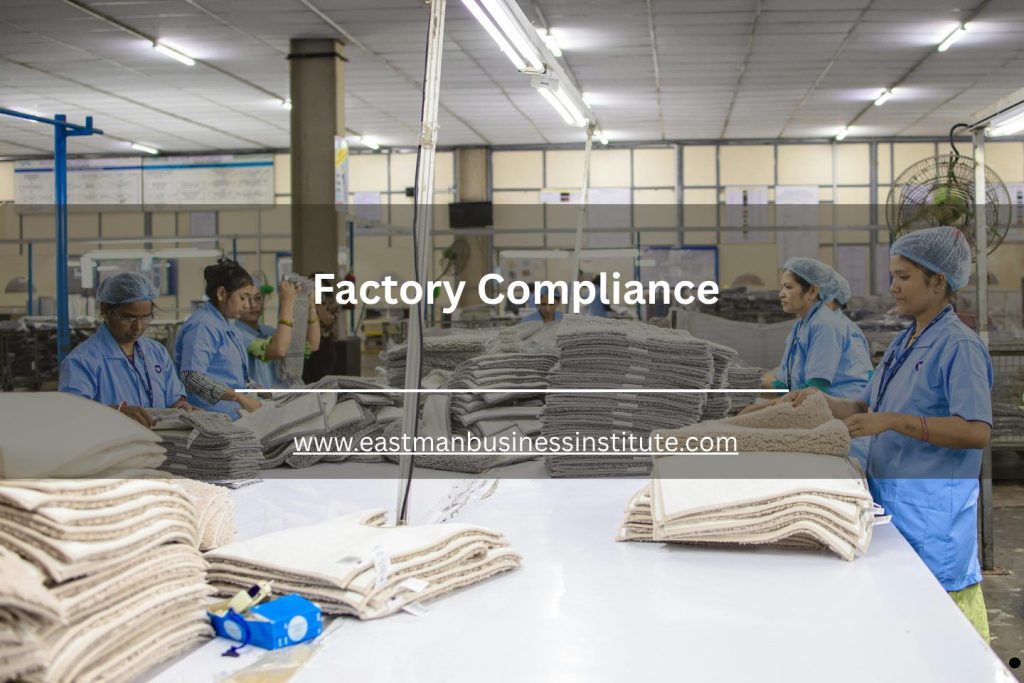

Factory compliance requires adherence to safety, quality, and environmental regulations to protect brand reputation and operational efficiency. Key challenges include keeping pace with regulatory changes and ensuring proper staff training, while audits and inspections help verify adherence and identify areas for improvement.
Factory compliance is crucial for maintaining safety and quality while adhering to regulations. It impacts not just your operations but also your brand’s reputation. You might face challenges, but understanding the key regulations can make a significant difference. As we explore how audits and best practices can strengthen your compliance efforts, consider how these elements could transform your factory’s approach to accountability and trust. What steps will you take next?
Understanding Factory Compliance
When you think about factory compliance, it’s essential to recognize that it involves adhering to a set of regulations and standards designed to ensure safety, quality, and environmental responsibility.
Understanding factory compliance means grasping the importance of following these guidelines. It isn’t just about avoiding penalties; it’s about fostering a culture of safety and trust within your operations.
You need to ensure that your processes meet industry standards, which can help mitigate risks and enhance your brand’s reputation. Compliance also promotes efficiency, as streamlined operations often lead to reduced waste and lower costs.

Key Regulations and Standards
To ensure your factory operates within legal and ethical boundaries, it’s crucial to familiarize yourself with key regulations and standards that govern your industry.
Start by understanding local labor laws, which dictate working conditions, wages, and employee rights.
Then, dive into safety regulations, such as OSHA standards, which focus on maintaining a safe work environment.
Don’t overlook environmental regulations, like those set by the EPA, that address waste management and emissions.
Additionally, familiarize yourself with industry-specific standards, such as ISO certifications, which can enhance quality and efficiency.
Keeping up with these regulations not only protects your employees but also safeguards your business from potential legal issues, ensuring sustainable operations and a positive reputation in the marketplace.
Common Challenges in Maintaining Compliance
Even with a solid understanding of key regulations and standards, many factories face significant hurdles in maintaining compliance.
One major challenge is the rapid pace of regulatory changes; it can be tough to keep up with new requirements. Additionally, inadequate training and communication among staff often lead to misunderstandings about compliance protocols.
You might also struggle with limited resources, making it difficult to implement necessary changes or upgrades.
Another issue is the complexity of supply chain management, where ensuring that all suppliers adhere to regulations adds another layer of difficulty.
Lastly, maintaining accurate documentation is crucial, yet many factories find it overwhelming.
Addressing these challenges is essential for sustaining compliance and avoiding potential penalties.
The Role of Audits and Inspections
While audits and inspections might seem like daunting tasks, they play a critical role in ensuring factory compliance. These processes allow you to identify potential issues before they escalate into significant problems.
Regular audits help you assess whether your factory meets industry standards and regulations, providing a roadmap for improvement. Inspections, on the other hand, focus on specific areas, ensuring that every aspect of your operations aligns with compliance requirements.
By actively participating in these evaluations, you not only safeguard your reputation but also foster a culture of accountability within your team. Embracing audits and inspections can lead to enhanced efficiency and reduced risks, ultimately benefiting your factory’s long-term success. Additionally, these evaluations can be integrated with Six Sigma methodologies to further enhance process improvements.
Don’t underestimate their value in maintaining compliance and operational excellence.
Best Practices for Ensuring Compliance
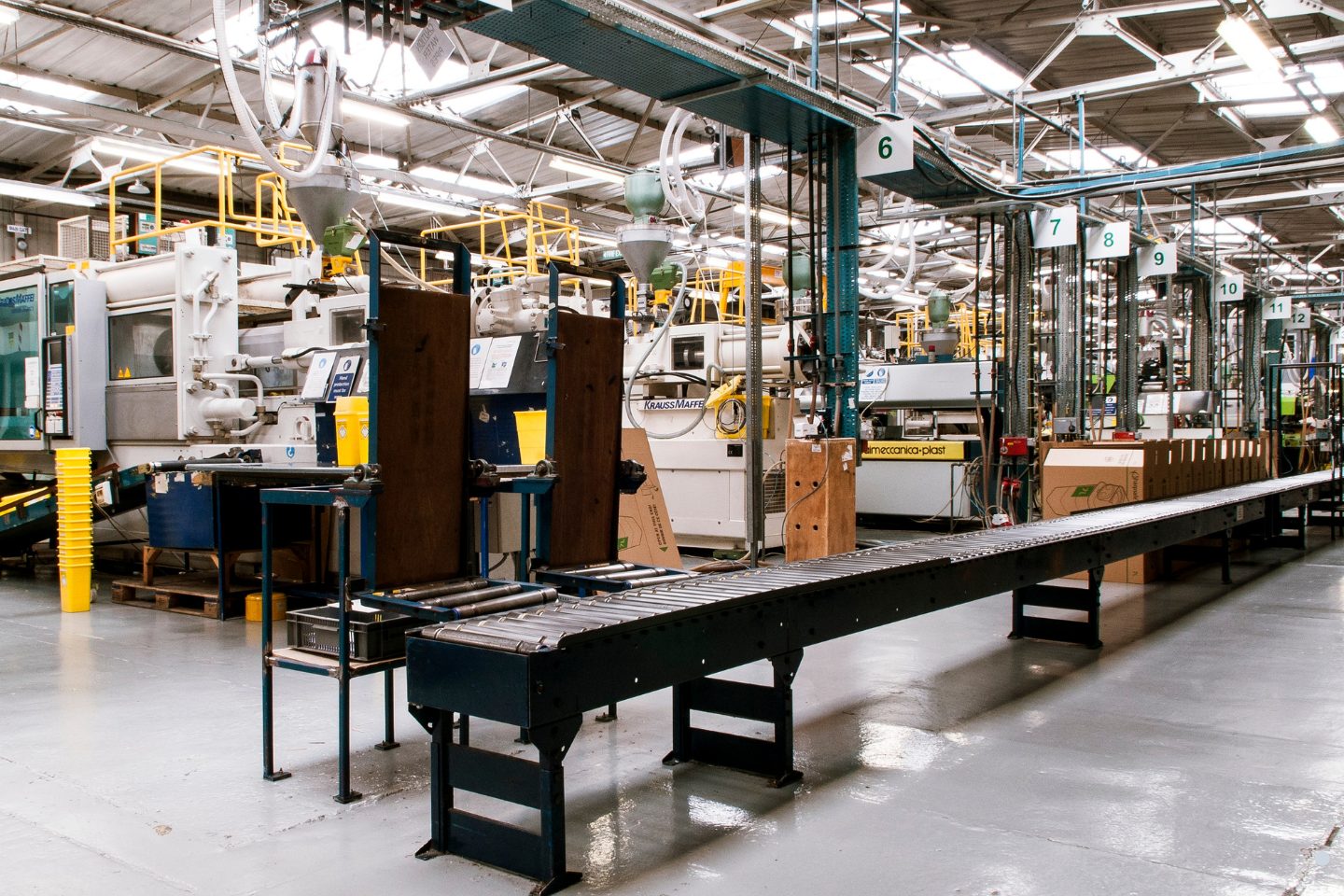
Building on the insights gained from audits and inspections, implementing best practices for ensuring compliance becomes vital for your factory’s success.
Start by establishing clear policies and procedures that align with regulatory standards. Make sure your team is well-trained and aware of these guidelines, fostering a culture of compliance.
Regularly review and update your practices to adapt to any changes in regulations. Utilize technology to monitor compliance in real-time, allowing for quick responses to potential issues.
Conduct frequent internal audits to identify gaps and areas for improvement. Lastly, encourage open communication among employees, empowering them to report concerns without fear.
The Future of Factory Compliance
As regulations evolve and technology advances, the future of factory compliance is set to become more dynamic and integrated.
You’ll likely leverage advanced technologies like ai and iot to stay ahead of compliance requirements. These tools can automate data collection and analysis, making it easier to identify non-compliance issues before they escalate.
Furthermore, real-time monitoring will enable you to respond to regulatory changes swiftly, ensuring that your operations remain compliant. Emphasizing transparency will also become crucial; sharing compliance data with stakeholders can enhance trust and accountability.
As you adapt to these changes, continuous training for your workforce will be essential. Additionally, fostering a culture of excellence will help ensure that compliance becomes ingrained in every aspect of your operations.
Embracing a culture of compliance won’t only safeguard your factory but also position you as a leader in your industry.
Conclusion
In conclusion, prioritizing factory compliance is crucial for your operations. By understanding regulations, facing challenges head-on, and embracing audits, you can create a safer and more efficient workplace. Implementing best practices and leveraging technology will not only enhance your compliance efforts but also protect your employees and brand reputation. As regulations evolve, staying proactive and adaptable will ensure your factory remains compliant and competitive in the industry. Embrace these strategies to foster a culture of accountability and trust.
Frequently Asked Questions
What Is Factory Compliance?
Factory compliance refers to the process of ensuring that manufacturing facilities follow industry regulations, safety standards, labor laws, environmental requirements, and quality control guidelines. Compliance programs help organizations maintain ethical operations, reduce risks, and meet legal and customer expectations.
Why Is Factory Compliance Important for Manufacturers?
Factory compliance is important because it helps manufacturers maintain workplace safety, improve product quality, reduce operational risks, and protect their reputation. Strong compliance practices also help organizations avoid legal penalties, production disruptions, and supply chain issues.
What Areas Are Commonly Covered in Factory Compliance Programs?
Factory compliance programs often include workplace safety, employee rights, environmental regulations, equipment maintenance, quality assurance, ethical sourcing, and operational procedures. Many organizations also conduct regular audits and inspections to verify compliance standards.
Who Is Responsible for Managing Factory Compliance?
Factory compliance is typically managed by operations managers, quality assurance teams, safety officers, HR departments, compliance specialists, and executive leadership. In some organizations, external auditors or regulatory agencies also review compliance practices and standards.
How Can Factory Compliance Improve Business Performance?
Effective factory compliance programs can improve operational efficiency, reduce workplace incidents, strengthen customer trust, and support long-term business growth. Organizations that maintain strong compliance standards are often better positioned to meet industry requirements and maintain consistent production quality.