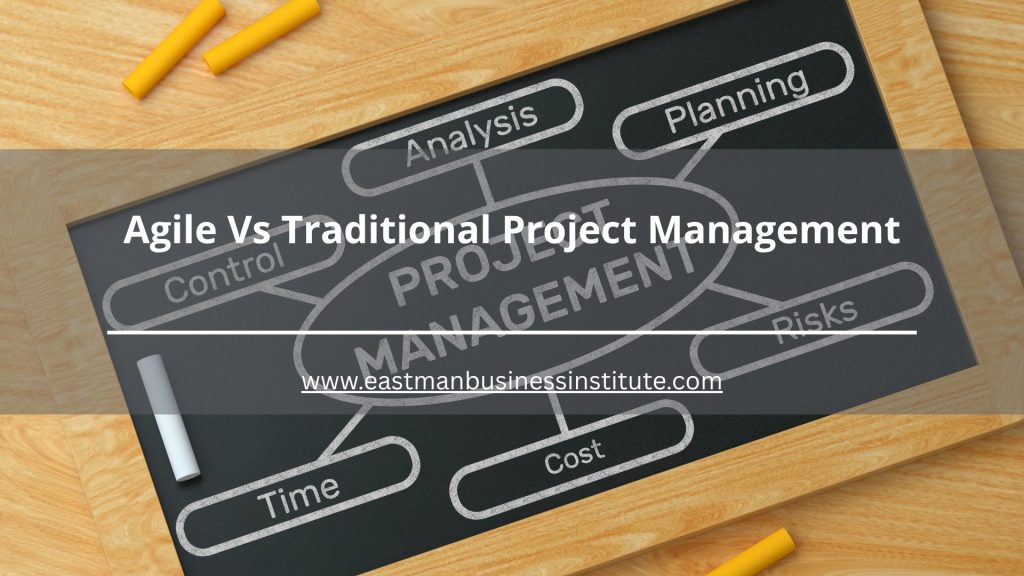
When it comes to project management, choosing between Agile and Traditional methodologies can significantly impact your project’s outcome. Agile offers flexibility and iterative progress, while Traditional methods provide structure and predictability. Each approach has its own strengths and weaknesses, and understanding them is crucial for effective decision-making. So, how do you decide which path to take for your next project? Let’s explore the nuances that could influence your choice.
Agile project management prioritizes flexibility and iterative progress, while Traditional methods focus on structure and predictability; choosing between them depends on whether a project requires adaptability or a fixed, linear plan.
Overview of Project Management Methodologies
When you dive into project management methodologies, you’ll find a spectrum of approaches designed to meet different needs and contexts.
Traditional methodologies, like Waterfall, emphasize a linear process where each phase depends on the completion of the previous one. This structure offers predictability and clarity, making it suitable for projects with fixed requirements.
On the other hand, Agile methodologies prioritize flexibility and collaboration, allowing for iterative progress and adjustments based on feedback. This adaptability suits dynamic projects where requirements may evolve.
Understanding these methodologies helps you choose the right approach for your project’s unique demands, ensuring you can effectively manage resources, timelines, and stakeholder expectations while achieving your goals efficiently.
Each methodology has its strengths, so consider your project’s specific needs carefully.

Key Principles of Agile Project Management
Agile project management is built on several key principles that emphasize collaboration, flexibility, and customer satisfaction.
One of the core tenets is iterative progress through short cycles called sprints. This approach allows you to adapt quickly to changes and feedback.
Close collaboration within cross-functional teams is vital; you’ll find that regular communication fosters innovation and problem-solving.
Prioritizing customer involvement ensures that your team stays aligned with client needs, leading to higher satisfaction.
Embracing change is also crucial; you’re encouraged to welcome new ideas even late in the process.
Lastly, focusing on delivering working products frequently helps maintain momentum and keeps the project on track.
Key Principles of Traditional Project Management
While Agile project management emphasizes flexibility and iterative processes, traditional project management leans on a structured and linear approach.
You’ll find that this method focuses on thorough planning, defined phases, and a clear timeline. Key principles include setting specific goals at the outset and adhering to a predetermined scope, ensuring everyone knows their roles and responsibilities.
You also prioritize documentation to track progress and maintain accountability throughout the project lifecycle. Risk management plays a crucial role, as you identify potential issues early on and develop mitigation strategies.
Finally, traditional project management often involves stakeholder approvals at key milestones, which helps keep the project on track and aligned with expectations. This systematic approach is vital for delivering predictable results.
Flexibility and Adaptability in Agile
At the heart of Agile project management lies flexibility, allowing teams to swiftly respond to changes and evolving requirements.
You’ll find that Agile embraces change, welcoming feedback and adjustments at any stage of the project. This adaptability empowers you to pivot quickly when market conditions or client needs shift, ensuring that the final product aligns with expectations.
Regular iterations and reviews keep your team engaged and focused on delivering value throughout the process. You’re encouraged to collaborate and communicate openly, fostering a culture of innovation.
By prioritizing flexibility, Agile not only enhances productivity but also boosts team morale, as everyone feels invested in the project’s success.
This dynamic approach is particularly beneficial in today’s fast-paced, ever-changing business landscape.
Structure and Predictability in Traditional Methods
Though Agile methods thrive on flexibility, traditional project management offers a structured approach that provides predictability and control.
When you implement traditional methods, you can outline clear phases, such as initiation, planning, execution, and closure. This linear progression allows you to set defined milestones and deadlines, making it easier to track progress and manage resources effectively.
You can also create comprehensive documentation, ensuring everyone on the team understands their roles and responsibilities. This documentation aids in risk management and helps you anticipate potential issues before they arise.
With a focus on detailed planning and adherence to timelines, traditional project management ensures you stay on course, making it a reliable choice for projects where structure and predictability are crucial.
Team Collaboration in Agile Environments
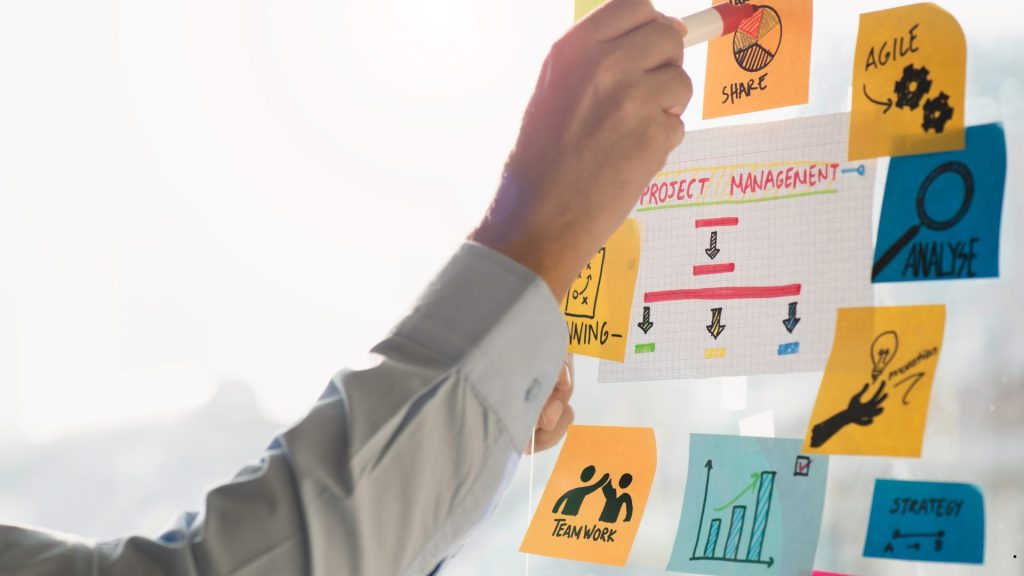
In Agile environments, team collaboration isn’t just encouraged; it’s essential for success. You’ll find that working closely with your team fosters creativity and innovation, allowing for quicker problem-solving and adaptation.
Daily stand-ups and regular check-ins keep everyone aligned on goals and progress, which helps in addressing issues immediately. You’re not just sharing tasks; you’re sharing knowledge and skills, creating a more versatile team.
Emphasizing open communication builds trust and strengthens relationships, making it easier to navigate challenges together. With collaborative tools and platforms, you can easily share updates and feedback, keeping everyone engaged and informed.
Stakeholder Engagement in Traditional Projects
Effective team collaboration in Agile environments contrasts sharply with stakeholder engagement in traditional projects.
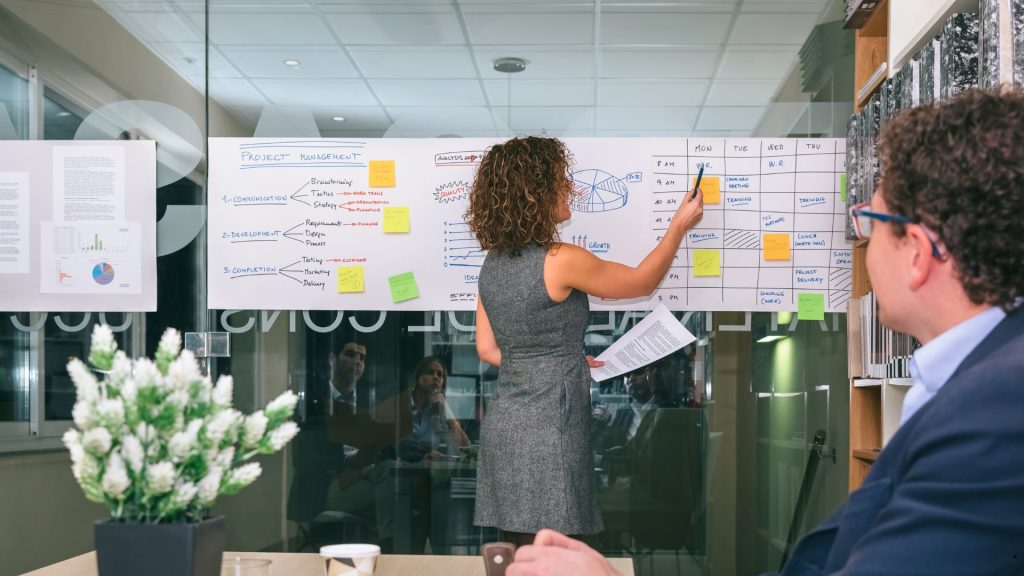
In traditional project management, you typically engage stakeholders at defined phases, mainly during project initiation and delivery. This means you mightn’t hear their feedback until later stages, which can lead to misalignment with their expectations.
You often rely on formal communication methods, like reports and presentations, to convey project updates. This can create a disconnect, as stakeholders may feel out of the loop or uninvolved in the decision-making process.
Additionally, changes in stakeholder needs can be harder to accommodate, as the project scope is usually set early on. This rigid structure can hinder adaptability and responsiveness, ultimately impacting project success and stakeholder satisfaction.
Measuring Success: Metrics in Agile Vs Traditional
While traditional project management often relies on predetermined metrics such as time, cost, and scope to measure success, Agile approaches emphasize flexibility and continuous improvement.
In Agile, you’ll focus on delivering value and customer satisfaction through iterative development. You measure success not just by completing tasks on time, but by assessing how well your product meets user needs and adapts to feedback.
Metrics like velocity, cycle time, and customer satisfaction scores help you gauge progress and pivot as necessary. This dynamic approach contrasts sharply with the rigid, milestone-driven metrics of traditional methods.
Challenges and Limitations of Each Approach
Both Agile and traditional project management methods have their strengths, but they also come with unique challenges and limitations.
Agile can lead to scope creep if you’re not careful, as its flexibility might encourage constant changes. Additionally, if your team isn’t well-versed in Agile practices, you might face confusion and miscommunication.
On the other hand, traditional project management often struggles with rigidity. If unexpected issues arise, adapting can be slow and cumbersome, leading to missed deadlines. Furthermore, it may not fully engage stakeholders, who may feel disconnected from the process.
Balancing these limitations is crucial, as understanding them can help you navigate your project landscape more effectively.
Choosing the Right Methodology for Your Project
How do you decide which project management methodology suits your needs? Start by assessing the nature and scope of your project.
If you’re dealing with a dynamic environment where requirements frequently change, Agile might be your best bet. Agile promotes flexibility and quick adaptations, making it ideal for software development or innovative projects.
On the other hand, if your project has well-defined requirements and a clear timeline, a traditional approach like Waterfall could be more effective. It emphasizes structured phases and thorough documentation.
Consider your team’s experience, the stakeholders involved, and the project’s complexity. Ultimately, choose a methodology that aligns with your goals, resources, and the specific challenges you face to ensure a successful outcome.
Conclusion
In conclusion, understanding the differences between Agile and Traditional project management methodologies is crucial for your project’s success. Agile’s flexibility and iterative nature can be a game-changer in dynamic environments, while Traditional methods offer the structure and predictability needed for projects with fixed requirements. By assessing your project’s specific needs and goals, you can choose the right approach, ensuring effective stakeholder engagement and ultimately achieving successful outcomes. So, take the time to evaluate and determine what works best for you!
Frequently Asked Questions
What is the main difference between Agile and traditional project management?
The primary difference is that Agile uses an iterative and flexible approach, while traditional project management follows a structured, sequential process. Agile allows teams to adapt to changing requirements throughout a project, whereas traditional methods rely on detailed planning completed before execution begins.
Which projects are better suited for Agile project management?
Agile project management is ideal for projects with evolving requirements, frequent stakeholder feedback, and a need for rapid delivery. It is commonly used in software development, product innovation, and fast-changing business environments where flexibility is essential.
When is traditional project management the better choice?
Traditional project management works best for projects with clearly defined goals, fixed budgets, and predictable outcomes. Industries such as construction, manufacturing, and engineering often use traditional approaches because project requirements are established early and changes are limited.
Can Agile and traditional project management be combined?
Yes, many organizations use a hybrid approach that combines Agile flexibility with traditional planning and governance. This allows teams to maintain project control while still benefiting from iterative development, continuous feedback, and faster adaptation to change.
How do project success measurements differ between Agile and traditional methods?
Traditional project management often measures success based on completing the project on time, within budget, and according to scope. Agile project management places greater emphasis on customer satisfaction, business value delivered, team collaboration, and the ability to respond effectively to changing requirements.