
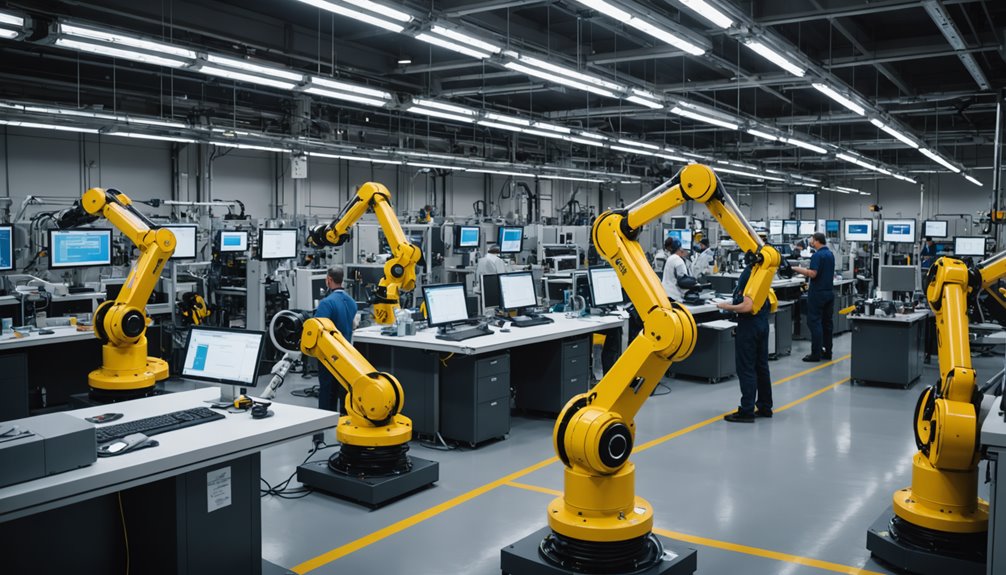
You might've heard of Jidoka, a key concept in lean manufacturing. It's all about empowering workers to stop production when they spot a problem. This approach not only tackles defects head-on but also fosters a culture of continuous improvement. So, how did this idea evolve, and what are its core principles? Understanding Jidoka could change the way you approach quality in manufacturing. Let's explore its origins and significance further.
Jidoka, or automation with a human touch, empowers workers to stop production immediately when defects are detected, fostering a culture of continuous improvement and quality control.
The Origins of Jidoka
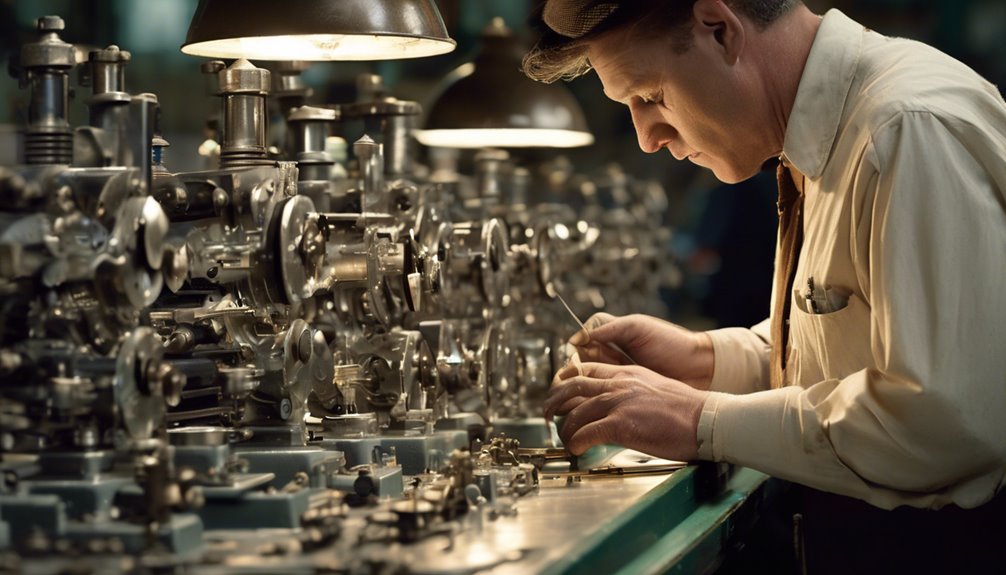
Jidoka, often referred to as "automation with a human touch," has its roots in the early 20th century Japan, where it emerged as a response to the challenges of mass production.
At the time, manufacturers faced issues with quality control and labor efficiency. You'd see the introduction of automatic looms, which allowed workers to monitor machines while also addressing problems as they occurred.
This innovation not only improved productivity but also empowered workers, giving them the ability to halt production when defects appeared.
Key Principles of Jidoka
While many manufacturing processes prioritize speed over quality, the key principles of Jidoka emphasize the importance of stopping production to address issues as they arise. This approach allows you to catch defects early, ensuring that quality isn't sacrificed for speed.
Another principle is empowering workers; you should feel confident in your ability to halt the line when problems occur. This promotes a culture of accountability and continuous improvement.
Additionally, Jidoka encourages building processes that are self-checking, reducing the chance of errors. Lastly, it supports the concept of visually managing workflow, so everyone can easily identify issues and take action.
The Role of Automation in Jidoka
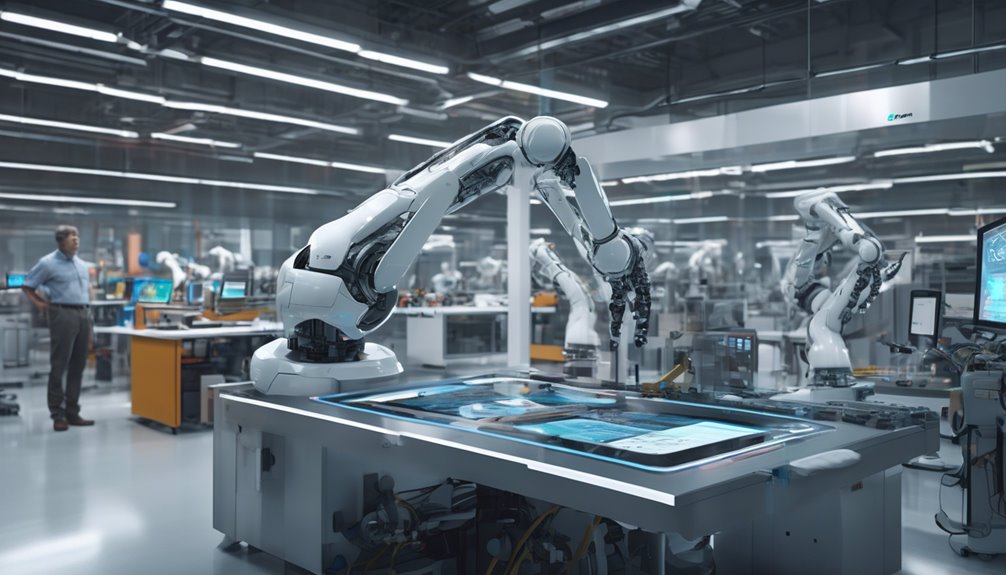
As you integrate automation into your manufacturing processes, you'll find that it plays a crucial role in enhancing the principles of Jidoka. Automation helps you identify defects early, allowing machines to stop automatically when issues arise. This immediate response prevents faulty products from moving further down the line, ensuring quality control is maintained.
You'll also notice that automated systems can gather and analyze data, providing insights into operational efficiency and areas for improvement. Additionally, by empowering machines to take corrective actions, your workforce can focus on higher-level tasks that require human judgment. This approach aligns with the continuous improvement philosophy central to lean six sigma.
Ultimately, automation complements Jidoka by fostering a culture of continuous improvement and reliability, ensuring that your production processes align with customer expectations.
Benefits of Implementing Jidoka
Implementing Jidoka brings numerous benefits that can significantly enhance your manufacturing processes.
First, it empowers your operators by giving them the authority to stop production when issues arise, ensuring quality control at every step. This proactive approach reduces defects and minimizes waste, saving you time and resources.
Additionally, Jidoka fosters a culture of continuous improvement, encouraging team collaboration and problem-solving. You'll notice increased efficiency as bottlenecks are identified and addressed promptly.
By automating routine tasks while allowing human intervention for complex issues, you enhance flexibility and responsiveness in your operations.
Ultimately, Jidoka leads to higher customer satisfaction due to consistent quality, and it positions your company for long-term success in a competitive market.
Steps to Integrate Jidoka in Manufacturing Processes
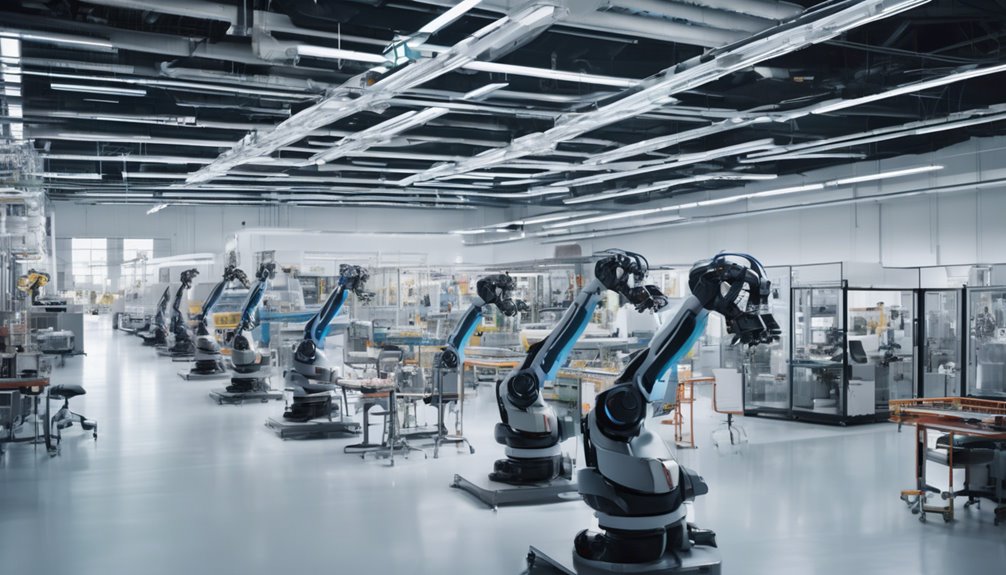
Integrating Jidoka into your manufacturing processes involves several key steps that can transform your operations.
First, identify the processes where automation and human intervention can work together effectively.
Next, empower your workers to stop production when they spot defects, encouraging a culture of quality.
Implement visual management tools to highlight issues and streamline communication.
Train your team on problem-solving techniques to address root causes quickly.
Additionally, invest in technology that supports real-time monitoring and feedback.
Lastly, continuously assess and refine your Jidoka practices to adapt to changes in production demands.
Conclusion
Incorporating jidoka into your manufacturing processes can transform your operations. By empowering your workers to stop production when issues arise, you foster a culture of quality and continuous improvement. The benefits, from reduced waste to enhanced efficiency, are significant. With a clear understanding of its origins and principles, you're ready to integrate jidoka effectively. Embrace this approach, and watch as your team's commitment to quality leads to better products and a more streamlined workflow.