
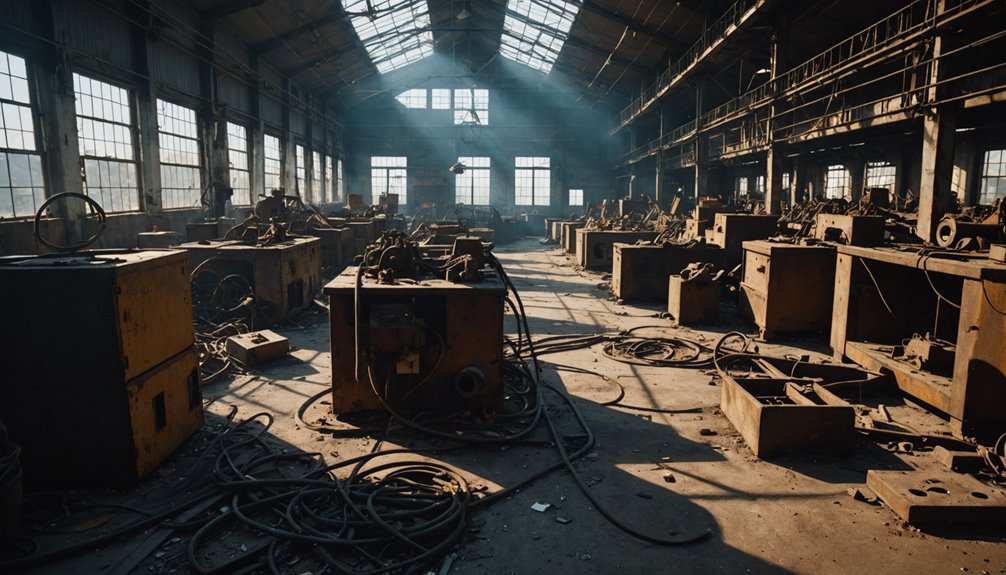
In the realm of lean manufacturing, understanding the 8 wastes is crucial for streamlining processes. You might not realize how overproduction or waiting can silently drain your efficiency. Each waste, from unnecessary motion to underutilized talent, plays a significant role in your operations. By identifying these issues, you can make impactful changes. But where do you start? The answer lies in exploring each waste more closely.
Overproduction
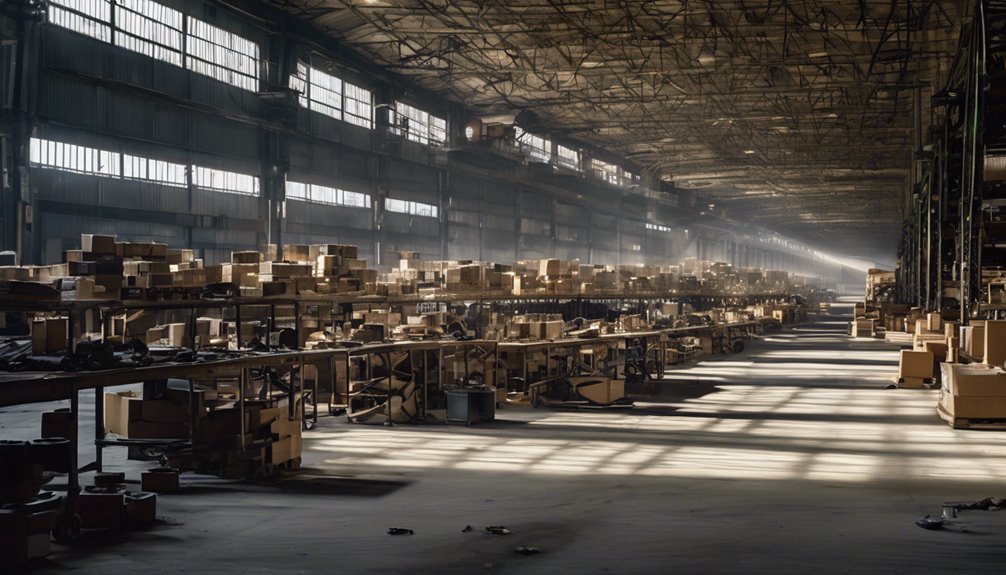
Overproduction is often considered the most significant waste in lean manufacturing, as it can lead to excess inventory and increased costs.
When you produce more than what's needed, you're tying up resources and space that could be used more efficiently. You might think that making extra products is beneficial, but it often results in wasted materials and labor.
Instead, focus on producing only what your customers demand. This approach not only minimizes waste but also enhances your workflow and responsiveness.
Waiting
After addressing the challenges of overproduction, another significant waste in lean manufacturing is waiting. You might find your team members idly standing by, unable to proceed due to delays in materials, information, or approvals.
This downtime not only affects productivity but can also lower morale, as employees feel their skills are underutilized. To combat waiting, streamline processes and enhance communication. Implementing just-in-time practices can help ensure that resources arrive exactly when needed.
Additionally, empowering your team to solve minor issues on the spot can reduce delays. Remember, every minute spent waiting is a minute lost, impacting your overall efficiency. Lean principles emphasize the importance of identifying and eliminating waste to enhance operational efficiency.
Transportation
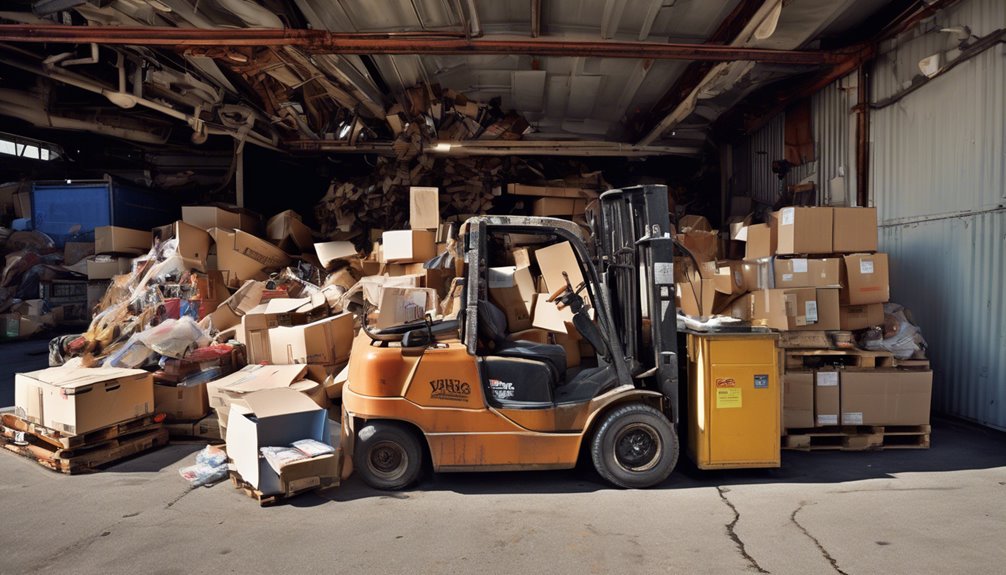
Transportation is a critical aspect of lean manufacturing, yet it often becomes a source of waste when materials and products are moved inefficiently. You might notice excessive movement between workstations or unnecessary trips to retrieve supplies.
Every time you transport items, you're spending time and resources that could be better utilized elsewhere. Streamlining these processes is essential. Consider rearranging your layout to minimize transport distance or implementing just-in-time delivery systems. Lean principles emphasize the importance of removing unnecessary steps to enhance efficiency and reduce waste.
Inappropriate Processing
While you might think that more complex processing leads to higher quality, inappropriate processing can actually create significant waste in lean manufacturing. When you use overly complicated methods for simple tasks, you're not just wasting time; you're also risking errors and defects.
Streamlining your processes can boost efficiency and improve output quality. You should evaluate each step in your workflow to ensure it adds value. If a process step doesn't enhance the product or service, it's time to rethink it.
Additionally, using excessive technology or tools can complicate operations without offering real benefits. Simplifying your approach can save resources and keep your team focused on what truly matters. Embracing continuous improvement can further enhance your processes by fostering an environment of ongoing evaluation and innovation.
Excess Inventory
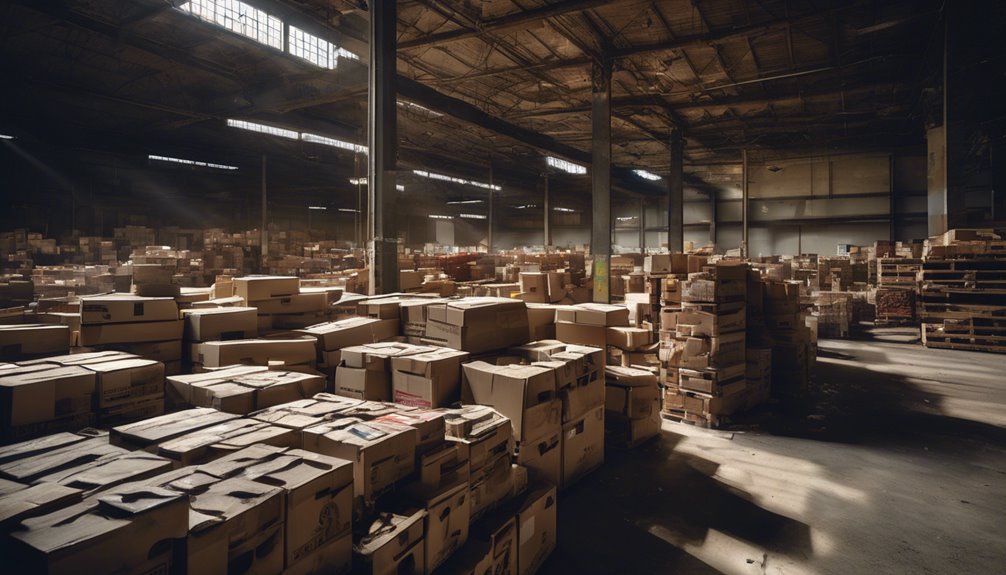
Excess inventory can lead to significant waste in lean manufacturing, as it ties up valuable resources and increases holding costs.
When you hold more inventory than necessary, you're not just wasting space; you're also risking obsolescence and spoilage. It can divert your attention from more critical tasks, like improving processes or serving customers.
You might think having a buffer is a safety net, but it often creates hidden costs that erode your profits. Instead, focus on maintaining optimal inventory levels that align with demand.
Unnecessary Motion
Eliminating unnecessary motion is crucial for enhancing efficiency in lean manufacturing. When you identify and minimize movements that don't add value, you streamline processes and boost productivity.
Look closely at your workflow—are you walking too far to grab tools or materials? Are you reaching awkwardly for items? These actions may seem minor, but they add up over time, leading to wasted energy and time.
You can enhance efficiency by organizing your workspace and placing tools within easy reach. Standardizing procedures can also help reduce unnecessary movements. Additionally, adopting Lean methodology principles can help you systematically identify and eliminate inefficiencies.
Encourage your team to communicate about any inefficiencies they notice. By addressing unnecessary motion, you not only improve productivity but also create a safer, more comfortable work environment for everyone involved.
Defects
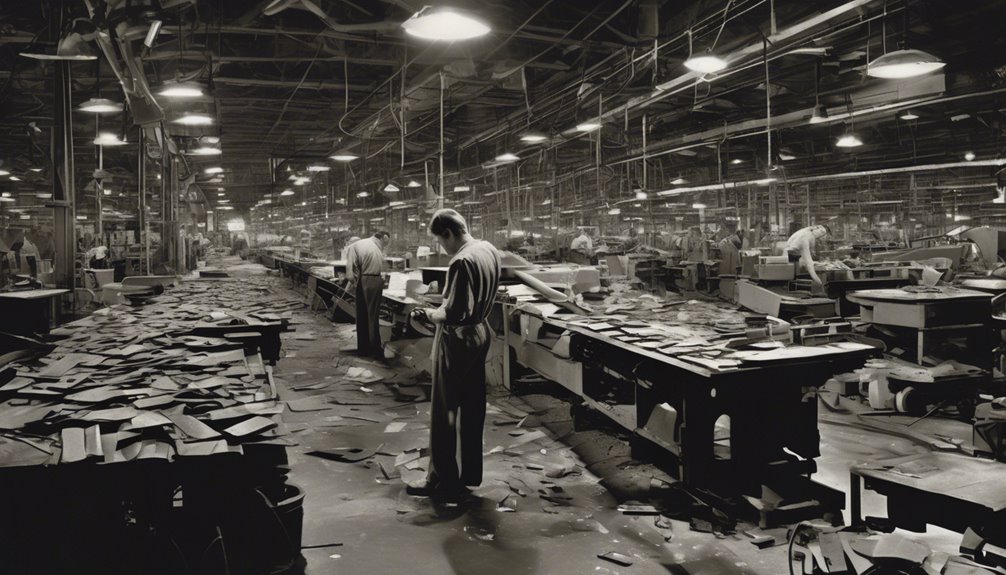
Defects not only waste materials but also consume valuable time and resources. When products don't meet quality standards, you face rework, returns, and dissatisfied customers. To combat this, you need to implement rigorous quality control measures. Encourage your team to identify and report defects early, fostering a culture of continuous improvement. Examine your processes for potential failure points and invest in training to enhance skills. By tackling defects head-on, you can streamline operations, reduce costs, and ultimately boost customer satisfaction. Understanding Cost of Poor Quality is essential to minimize inefficiencies and improve overall business performance.
Underutilized Talent
Many companies overlook a critical resource in their quest for efficiency: their workforce. You mightn't realize it, but your team members possess skills and ideas that could significantly enhance productivity. When you fail to tap into this talent, you not only waste potential but also demotivate employees.
Engaging your staff by encouraging them to contribute their insights fosters innovation and commitment. It's essential to create an environment where everyone feels valued and empowered to share their expertise. Regularly seek feedback, provide opportunities for growth, and recognize achievements. Moreover, cultivating a culture of continuous improvement is crucial for sustaining employee motivation and harnessing their full potential.
Conclusion
In conclusion, tackling the 8 wastes of lean manufacturing can significantly enhance your efficiency and reduce costs. By addressing overproduction, waiting, transportation, inappropriate processing, excess inventory, unnecessary motion, defects, and underutilized talent, you'll create a smoother, more productive workflow. Embracing these principles not only streamlines your processes but also empowers your team to contribute their best. Start identifying these wastes today, and watch your operations transform for the better!