

The 5W 2H framework is a problem-solving method that breaks down complex issues into seven essential components—Who, What, Where, When, Why, How, and How Much—to clarify objectives and streamline decision-making.
When tackling complex problems, you might find yourself overwhelmed by the details. That's where the 5W 2H framework comes in. It simplifies your approach by breaking down issues into seven essential components. By understanding each element, you can clarify your objectives and streamline your decision-making process. But how do you effectively implement this method in real scenarios? Let's explore its practical applications further.
Understanding the 5W 2H Framework

Have you ever wondered how to tackle complex problems more effectively? The 5W 2H framework might just be your answer. This powerful tool helps you break down issues into manageable components by focusing on Who, What, Where, When, Why, How, and How Much.
Start by identifying the key players involved (Who) and the main objectives (What). Next, consider the context (Where) and timeline (When) to gain a clearer picture.
Delve into the reasons behind the issue (Why) and outline the steps needed to resolve it (How). Finally, assess the resources required (How Much).
The Importance of Each Element
Understanding the significance of each element in the 5W 2H framework can transform how you approach problem-solving. Each question—who, what, where, when, why, how, and how much—serves a distinct purpose.
"Who" identifies your stakeholders, ensuring you consider everyone involved. "What" clarifies the issue, allowing you to focus your efforts effectively. "Where" and "when" pinpoint the context, making your action plan relevant.
"Why" uncovers motivations, shedding light on the root causes. Meanwhile, "how" outlines the methods you'll use, while "how much" addresses resources and budgets.
Applying the 5W 2H Method in Project Management

How can the 5W 2H method revolutionize your project management approach? This method helps you clarify your project's purpose by addressing Who, What, When, Where, Why, How, and How Much.
Start with Who's involved—identify team members and stakeholders. Next, outline What the project aims to achieve, followed by When key milestones will occur.
Specify Where the project takes place to ensure everyone understands the context. Address Why the project matters, connecting it to broader goals.
Then, detail How you'll execute the project, including strategies and tactics. Finally, determine How Much it'll cost, allowing you to budget effectively.
Enhancing Communication With 5W 2H
Why struggle with miscommunication when the 5W 2H method can streamline your conversations? By focusing on Who, What, When, Where, Why, How, and How much, you can clarify your points and ensure everyone's on the same page.
Start by asking who's involved and what needs to be accomplished. Next, determine when and where the conversation will take place. Understanding why the discussion is important helps frame the context, while exploring how to achieve your goals can lead to productive solutions.
Finally, consider how much resources are needed. By applying these elements, you'll foster clearer communication, reduce misunderstandings, and promote collaboration, making your interactions more effective and enjoyable.
Embrace 5W 2H for better conversations today!
Using 5W 2H for Event Planning
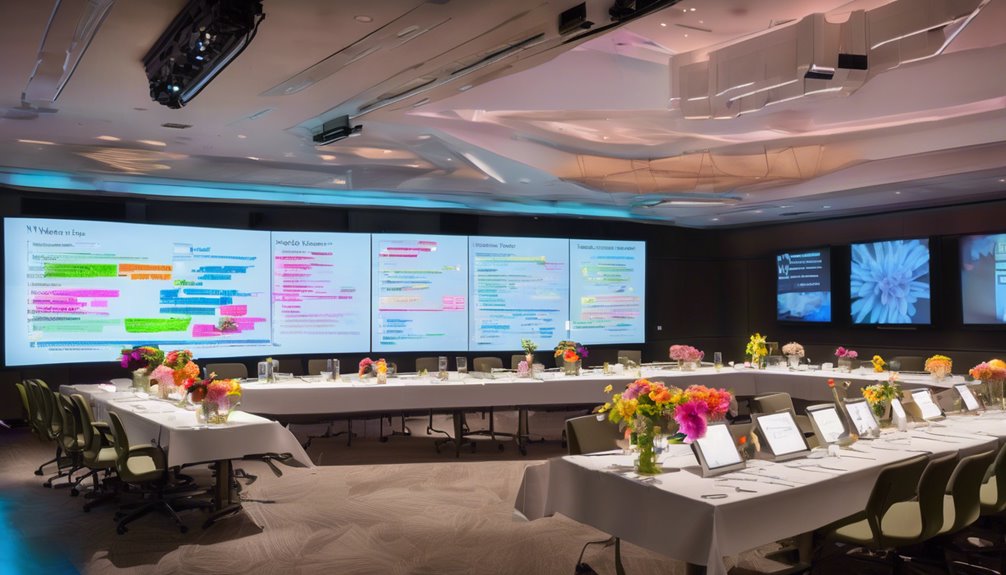
When planning an event, utilizing the 5W 2H method can make your preparations more organized and efficient.
Start by asking "Who" will attend, ensuring you've got the right guests in mind.
Next, determine "What" the event is about, defining its purpose.
Then, consider "When" it'll take place, selecting an appropriate date and time.
Don't forget "Where" it'll be hosted, picking a venue that suits your event's needs.
Finally, think about "Why" you're organizing this event, clarifying your goals.
For the "How," outline "How" you'll execute the event and "How" you'll promote it.
Problem-Solving With the 5W 2H Approach
The 5W 2H method isn't just valuable for event planning; it's also a powerful tool for problem-solving. When faced with a challenge, start by asking who's involved, what the issue is, when it occurs, where it happens, and why it matters. This helps you pinpoint the root cause.
Next, consider how to address the problem and what resources you'll need. By systematically breaking down the issue, you'll gain a clearer perspective and identify potential solutions.
You can also involve your team, encouraging collaboration and creative thinking. The 5W 2H approach not only clarifies the situation but also empowers you to tackle problems effectively and confidently, ensuring you find the best path forward.
5W 2H in Personal Decision-Making

How can the W 2H method enhance your personal decision-making? By breaking down complex choices into manageable components, you can clarify your thoughts and focus on what truly matters.
You'll start by asking "What" you want to achieve and "Why" it's important to you. This sets a clear objective and purpose.
Next, consider "How" you'll go about it and "How much" time or resources you need. This structured approach helps you weigh options effectively, leading to informed decisions.
You'll feel more confident in your choices, reducing second-guessing. Ultimately, applying the W 2H method empowers you to take control of your personal decisions, ensuring they align with your values and goals.
Case Studies: Success Stories Using 5W 2H
Numerous individuals have transformed their decision-making processes through the 5W 2H method, achieving remarkable results in various aspects of their lives.
For instance, a small business owner used this framework to enhance marketing strategies, identifying who their target audience was and what services to promote. By clarifying when and where to launch campaigns, they saw a 30% increase in sales within months.
Similarly, a student applied 5W 2H to organize their study schedule, figuring out what subjects needed focus and how to allocate time. This method led to improved grades and reduced stress.
These success stories highlight how applying the 5W 2H approach can streamline your decision-making, making it simpler and more effective in real-life scenarios.
Tips for Implementing 5W 2H Effectively

Building on the success stories of individuals who've transformed their decision-making with the 5W 2H method, it's clear that applying this framework effectively can lead to even greater outcomes.
Start by clearly defining your objectives. Make sure you understand what you want to achieve.
Next, gather your team and brainstorm the five Ws: Who, What, When, Where, and Why. This ensures everyone's on the same page.
Then, tackle the two Hs: How and How much. Break down the steps necessary to realize your goals and estimate the resources required.
Regularly review your progress, adjusting your approach as needed.
Finally, encourage open communication within your team to foster collaboration and innovation, enhancing the overall effectiveness of your implementation.
Common Mistakes to Avoid With 5W 2H
While the 5W 2H method can be a powerful tool for decision-making, common mistakes can hinder its effectiveness. One major pitfall is failing to gather enough information. If you skip the research phase, your conclusions might be misguided.
Another mistake is neglecting to involve key stakeholders. Their insights can provide valuable perspectives that enhance your analysis. Additionally, be cautious about overcomplicating your questions; clarity is essential. Make sure each "W" and "H" is straightforward.
Also, don't forget to review and revise your findings regularly; a static approach can lead to outdated conclusions. Lastly, ensure you're not rushing the process. Taking the time to thoroughly evaluate each aspect can significantly improve your decision-making outcomes.
Conclusion
Incorporating the 5W 2H framework into your projects can transform your approach to problem-solving. By understanding who's involved, what needs to be done, where it's happening, when it should occur, why it matters, how to execute it, and how much it'll cost, you'll enhance clarity and collaboration. Whether you're managing a project, planning an event, or making personal decisions, using this method can lead to more informed choices and successful outcomes. Start applying it today!