

You've likely encountered various types of waste in your daily life, from leftover food to broken electronics. Each type poses unique challenges and requires specific disposal methods. Understanding these categories isn't just for environmental enthusiasts; it's crucial for everyone. As you consider your own waste habits, think about the impact they have on the planet. What's your role in managing these different waste types, and how can you make a difference?
Organic Waste
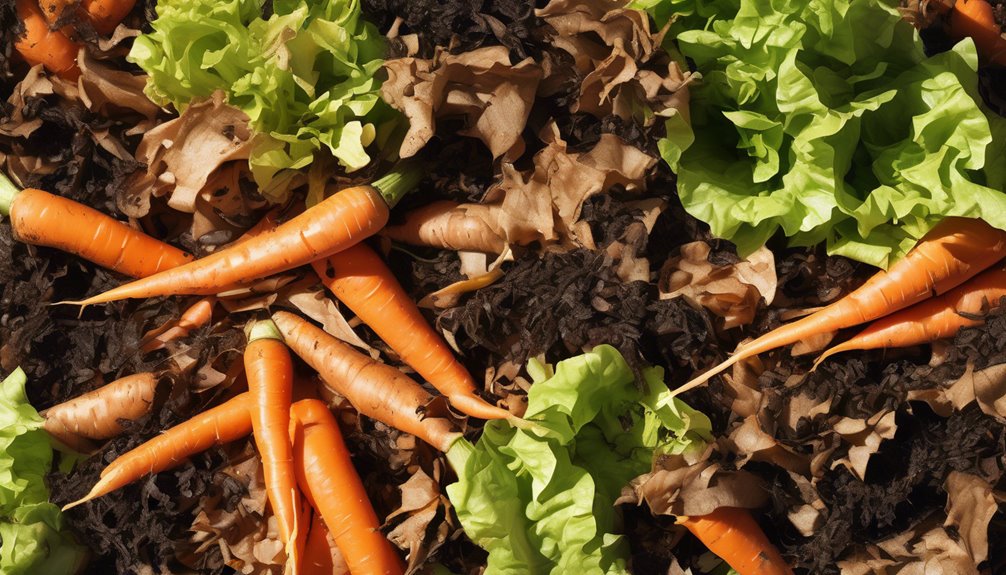
Organic waste consists of biodegradable materials like food scraps, yard trimmings, and paper products. You generate this type of waste every day, often without realizing it.
When you peel veggies, toss out leftovers, or rake leaves, you're creating organic waste. Instead of throwing it in the trash, consider composting. Composting transforms your organic waste into nutrient-rich soil, which can enhance your garden or houseplants.
This not only reduces landfill contributions but also supports sustainable practices. You can even use a compost bin or pile to manage your waste efficiently.
Recyclable Waste
Recyclable waste includes materials like paper, glass, plastic, and metal that can be reprocessed and turned into new products. By sorting these items properly, you help reduce landfill waste and conserve natural resources.
For instance, recycling a single ton of paper can save about 17 trees. When you separate your recyclables, ensure they're clean and dry to prevent contamination, which can hinder the recycling process.
Many communities offer curbside pickup or designated drop-off points, making it easier than ever to recycle. You might also consider repurposing items before recycling them, giving them new life.
Electronic Waste
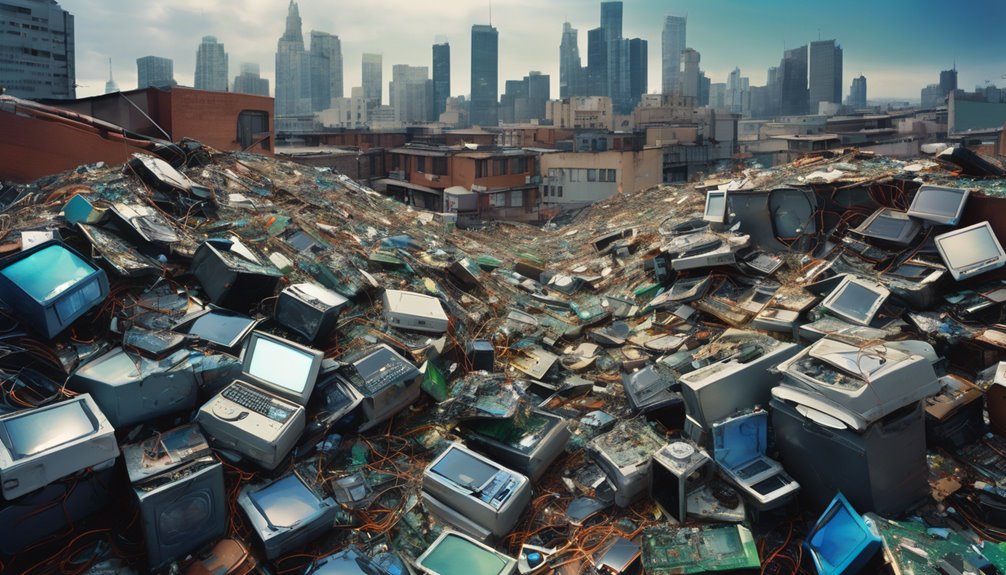
As technology advances rapidly, electronic waste, or e-waste, has become a significant environmental concern. You likely use devices like smartphones, laptops, and tablets daily, but what happens when they become obsolete?
Discarding these gadgets improperly can lead to toxic materials leaching into the environment. It's crucial to understand that e-waste contains valuable resources, too. By recycling your old electronics, you help recover metals and reduce the need for mining new materials.
Many local programs and stores offer e-waste recycling services, making it easier for you to dispose of your devices responsibly. So, next time you upgrade, consider how to handle your old electronics. Your choices can make a difference in protecting the planet and promoting sustainable practices.
Hazardous Waste
Hazardous waste poses serious risks to both human health and the environment. This type of waste includes substances that are toxic, corrosive, flammable, or reactive. You might encounter hazardous waste in various forms, such as chemicals, batteries, and medical waste.
Improper disposal can lead to soil contamination, water pollution, and air quality issues, affecting not only your community but also wildlife. It's crucial to recognize the importance of safe disposal methods. Always follow local regulations for hazardous waste, and consider using designated collection sites.
Industrial Waste
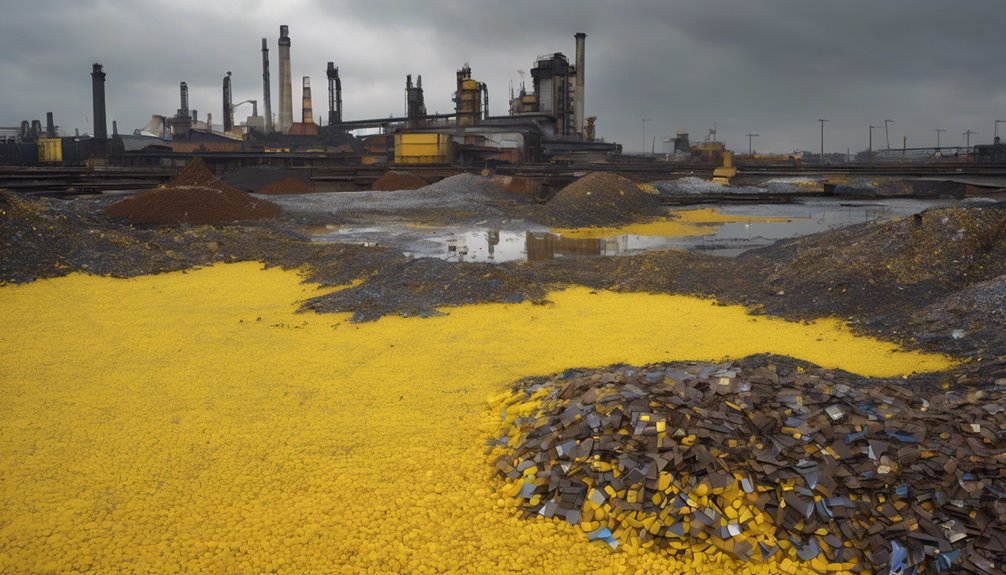
Industrial waste is a significant byproduct of manufacturing processes, and it can take many forms, including chemicals, metals, and plastics.
As you navigate the industrial landscape, you'll encounter waste generated from production activities, such as scrap materials and byproducts. Proper management of this waste is crucial, as it can harm the environment and human health if not handled correctly.
You should be aware of local regulations regarding industrial waste disposal, as improper disposal can lead to hefty fines and legal issues.
Recycling and reusing materials can minimize waste, while reducing costs and improving sustainability.
Construction and Demolition Waste
When you embark on a construction or demolition project, you'll inevitably generate a variety of waste materials that can impact the environment and your community. This includes concrete, wood, metal, glass, and drywall, among others. Each of these materials can contribute to landfill overflow if not properly managed.
You should consider recycling and reusing materials whenever possible, as this not only reduces waste but can also save you money. Implementing a waste management plan is crucial to keep your project sustainable.
Medical Waste
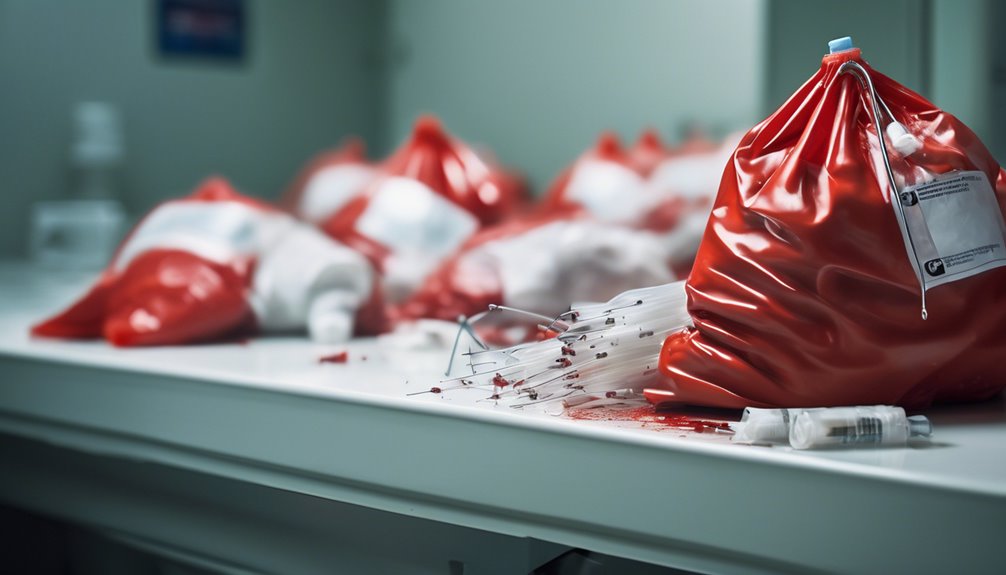
Medical waste, often generated in healthcare settings, poses significant challenges for safe disposal and environmental protection. You might encounter various types, including sharps, infectious materials, and chemical waste. Proper management is crucial to prevent harm to both public health and the environment.
Always segregate medical waste from regular trash to minimize risks. By following local regulations, you can ensure hazardous materials are treated correctly. Using designated containers for sharps and biohazard waste is essential.
Additionally, consider collaborating with certified waste disposal companies to handle these materials safely. Educating staff on proper disposal techniques can significantly reduce the chances of contamination and accidents.
Conclusion
In conclusion, understanding the different types of waste is crucial for effective management and environmental sustainability. By recognizing organic, recyclable, electronic, hazardous, industrial, construction, and medical waste, you can make informed decisions about waste disposal and recycling. Each type demands specific handling to minimize its impact on our planet. So, take action in your daily life—reduce, reuse, and recycle to help create a cleaner, healthier environment for everyone. Your efforts truly make a difference!