

You might be wondering how Timwoods Waste is transforming waste management and promoting sustainability in your community. Their commitment to recycling and responsible disposal methods sets them apart. By focusing on education and innovative strategies, they aim to engage individuals and businesses alike. What exactly are their methods, and how can you get involved in creating a cleaner, greener future?
Understanding Timwoods Waste and Its Mission
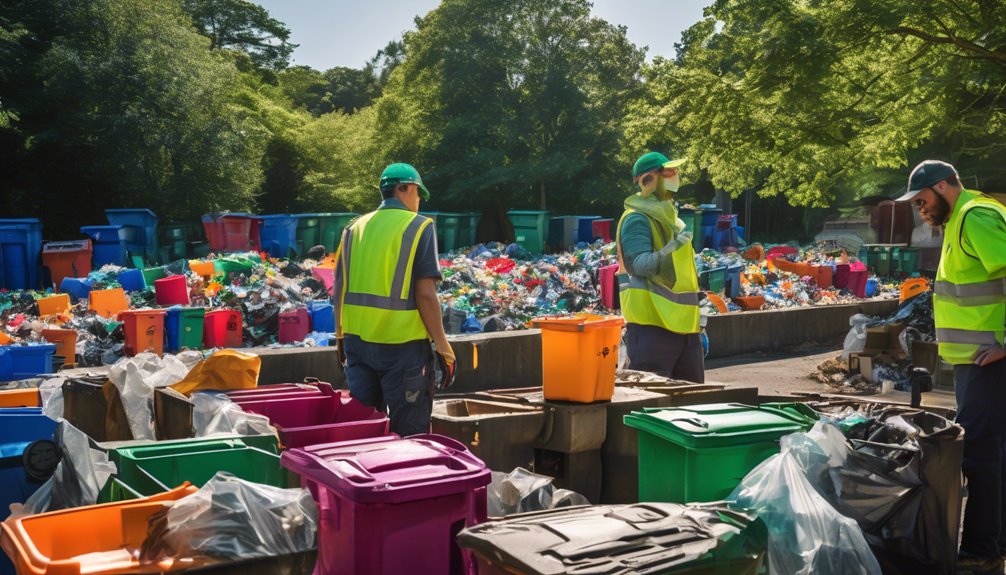
When you think about waste management, Timwoods Waste stands out with its clear mission to promote sustainable practices. This company prioritizes reducing environmental impact through innovative solutions.
You'll find that they focus on recycling, composting, and responsible disposal methods to minimize landfill contributions. Their commitment to educating communities about waste reduction makes a real difference in fostering a culture of sustainability.
By partnering with local businesses and organizations, Timwoods Waste encourages everyone to adopt eco-friendly habits. You can engage with various programs and initiatives designed to raise awareness and inspire action.
Ultimately, Timwoods Waste isn't just about managing waste; it's about creating a cleaner, greener future for everyone. Embrace their mission, and you'll be contributing to a healthier planet.
The Eight Sources of Waste
Understanding the eight sources of waste is crucial for anyone committed to sustainability. These sources include overproduction, waiting, transport, extra processing, inventory, motion, defects, and underutilized talent. Each source represents an area where resources can be wasted, impacting efficiency and the environment.
When you identify overproduction, you realize that making more than needed leads to unnecessary waste. Waiting times slow down processes and create bottlenecks. Transporting materials can waste energy and time if not optimized.
Extra processing often results in unnecessary steps that don't add value. Keeping excess inventory ties up resources, while excessive motion can lead to fatigue and inefficiency. Finally, defects waste materials and labor, and underutilized talent means missing out on potential improvements. Implementing Lean Six Sigma methodologies can help organizations systematically address these waste sources.
Recognizing these sources is the first step toward effective waste management.
Innovative Strategies for Waste Reduction
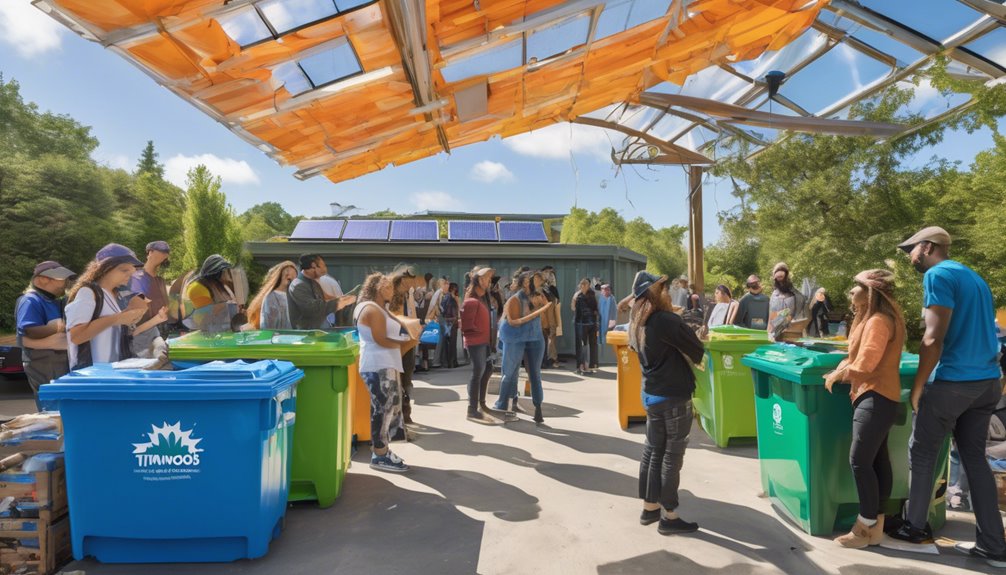
Recognizing the eight sources of waste opens the door to innovative strategies for waste reduction.
Start by analyzing your processes—streamlining operations can eliminate unnecessary steps and minimize delays. Implementing lean management techniques can help you identify and cut waste effectively.
Embrace technology, too; automation can significantly reduce human error and optimize resource use.
Consider adopting a culture of continuous improvement, encouraging your team to suggest ways to enhance efficiency. Engage in cross-functional collaboration to share ideas and best practices across departments.
Finally, focus on training your staff, equipping them with the skills to recognize waste and implement solutions. Additionally, fostering a data-driven decision-making environment can enhance the effectiveness of your waste reduction initiatives.
The Importance of Recycling and Sustainability
While you might think of recycling as just a way to dispose of waste, its role in promoting sustainability is far more significant.
By recycling materials, you conserve natural resources, reduce energy consumption, and minimize landfill waste. This process helps decrease pollution and lower greenhouse gas emissions, making a positive impact on your environment.
Each time you choose to recycle, you're actively participating in the circular economy, where materials are reused rather than discarded. This not only benefits the planet but also supports local economies by creating jobs in recycling and manufacturing industries.
You have the power to make a difference, and your small actions can lead to substantial changes in promoting a sustainable future for generations to come.
Community Engagement and Education

Community engagement and education play crucial roles in fostering a culture of recycling and sustainability. When you participate in local initiatives, you help raise awareness about waste reduction and proper recycling methods.
Attend workshops and community events to learn about sustainable practices and share this knowledge with friends and family.
By getting involved, you not only contribute to a cleaner environment but also inspire others to take action. Encourage your neighbors to join recycling programs or organize clean-up days in your area.
Through collaboration and shared learning, you can create a stronger community focused on sustainability.
Future Goals and Impact on the Environment
As we look towards the future, setting clear goals for waste reduction and recycling can significantly impact the environment. You have the power to influence change by adopting sustainable practices in your daily life. Start by minimizing single-use plastics and opting for reusable products.
Encourage your community to participate in local recycling programs and organize clean-up events. Every small effort adds up, contributing to a healthier planet.
Additionally, support businesses that prioritize sustainability and eco-friendly materials. By holding companies accountable, you help shift market trends towards greener options.
As you advocate for these practices, you inspire others to join the movement. Together, your collective actions can lead to a cleaner, greener future, ensuring a positive legacy for generations to come.
Conclusion
In conclusion, Timwoods Waste is all about creating a cleaner, greener future through innovative waste reduction strategies and community engagement. By understanding the sources of waste and actively participating in recycling and sustainability efforts, you can make a real difference. Together, we can foster eco-friendly habits that not only benefit our communities but also protect our planet for generations to come. Let's embrace these practices and work towards a healthier environment for everyone.