

Have you ever considered how much waste might be lurking in your business operations? Timwoods identifies seven types of waste that can silently drain resources and hinder efficiency. Understanding these categories isn't just useful; it's essential for fostering an environment of continuous improvement. As we explore each type, you'll see how small changes can lead to significant gains. What if you could transform your processes and enhance value for your customers?
Understanding Timwoods: The Seven Types of Waste
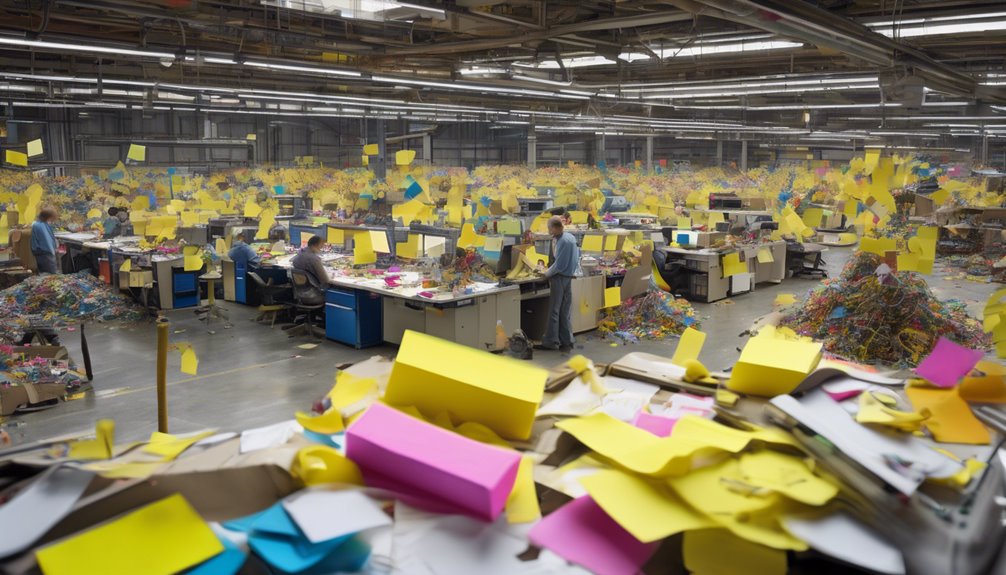
Understanding Timwoods, which stands for the seven types of waste, is essential for improving efficiency in any organization.
These wastes are Transport, Inventory, Motion, Waiting, Overproduction, Overprocessing, and Defects. Each type represents a potential hindrance to productivity.
For instance, Transport refers to unnecessary movement of materials, while Inventory highlights excess stock that can tie up resources. Motion emphasizes inefficient actions by employees, and Waiting illustrates delays that waste time.
Overproduction leads to creating more than needed, and Overprocessing involves unnecessary steps in a process. Finally, Defects result in rework and wasted materials.
The Importance of Identifying Waste in Business
Identifying waste in business isn't just a good practice; it's essential for long-term success. When you recognize and eliminate waste, you streamline processes, boost efficiency, and enhance productivity. This means you can deliver more value to your customers while saving time and resources.
By focusing on waste, you also foster a culture of continuous improvement within your organization. You encourage your team to think critically about operations and to seek innovative ways to enhance workflows.
Additionally, identifying waste helps you allocate resources more effectively, ultimately leading to better financial performance. In today's competitive landscape, staying lean and agile is vital. Emphasizing waste elimination is a key principle of Lean methodology, which can further drive your organization's success.
The First Type of Waste: Transportation

When you think about waste in business, transportation often stands out as a significant area for improvement. Inefficient transportation not only increases costs but also delays your operations. You might find that excessive travel distances, long lead times, or poor routing contribute to wasted resources.
By analyzing your transportation methods, you can identify opportunities to streamline processes. Consider consolidating shipments, optimizing delivery routes, or investing in technology to improve tracking. Additionally, minimizing unnecessary movement within your facilities can save time and energy. Remember, every mile adds to your expenses, so it's crucial to evaluate your logistics regularly. Implementing Lean principles can help you achieve a more efficient transportation system.
The Second Type of Waste: Inventory
While managing inventory might seem straightforward, it often hides significant waste that can impact your business's efficiency and profitability. Excess inventory ties up capital, increases storage costs, and leads to potential obsolescence.
You may find yourself overstocking popular items while understocking others, creating imbalances that disrupt workflow.
To tackle this waste, keep a close eye on your inventory levels and adopt just-in-time practices. Regularly review your inventory turnover rates to identify slow-moving products.
By streamlining your inventory management, you can reduce costs and enhance responsiveness to customer demand. Remember, less is often more when it comes to inventory.
Efficient management not only minimizes waste but also improves your overall bottom line. Furthermore, implementing Lean Six Sigma methodologies can help identify inefficiencies in your inventory processes and drive continuous improvement.
The Third Type of Waste: Motion

Excessive motion in the workplace can significantly hinder productivity, just like poor inventory management can. When you or your team members constantly move around searching for tools, documents, or equipment, valuable time slips away.
These unnecessary movements can lead to fatigue and frustration, impacting overall efficiency. To minimize this waste, evaluate your workspace layout. Keep frequently used items within easy reach and organize your tools systematically.
Encourage a culture of mindfulness where everyone is aware of their movements. By streamlining workflows and reducing unnecessary motion, you not only enhance productivity but also foster a more focused and engaged work environment. Implementing 5S methodology can further help in organizing workspaces efficiently.
The Fourth Type of Waste: Waiting
Waiting can be one of the most frustrating forms of waste in the workplace, as it not only drains time but also dampens morale. You might find yourself sitting idle, waiting for approvals, information, or equipment. Each moment spent in limbo can feel like an eternity, causing frustration and disengagement.
This wasted time doesn't just affect you; it can ripple through your team, slowing down overall productivity. To combat this, identify bottlenecks in your processes. Encourage open communication to ensure everyone's on the same page. By incorporating continuous improvement principles, your team can systematically address these delays and enhance overall efficiency.
Streamlining workflows and setting clear deadlines can help minimize waiting periods. By actively reducing waiting waste, you not only boost efficiency but also enhance your team's morale, creating a more dynamic work environment.
The Fifth Type of Waste: Over-Processing
Over-processing occurs when you put in more work than necessary to complete a task, leading to wasted time and resources. You might find yourself adding unnecessary features to a product, creating overly detailed reports, or using complex processes that don't enhance the outcome.
This not only frustrates you and your team but also delays project completion.
To combat over-processing, evaluate each step in your workflow. Ask yourself if each action adds value or if it's just excess effort.
Simplifying processes can boost efficiency and save time. By focusing on what truly matters, you'll streamline your work and improve overall productivity. Implementing 5S principles can help in identifying and eliminating unnecessary steps in your processes.
The Sixth Type of Waste: Overproduction
Overproduction is one of the most common types of waste in any workflow, and it can lead to significant inefficiencies. When you produce more than what's needed, you're wasting resources, time, and effort.
You might think you're being proactive, but excess inventory can pile up, causing storage issues and tying up cash flow. It often results in a cycle of overproduction and underutilization, where products sit unused instead of being sold.
To combat this, focus on aligning production with demand. Use tools like just-in-time manufacturing to ensure you're only creating what's necessary. Implementing Lean principles can further enhance your ability to minimize waste and improve operational efficiency.
The Seventh Type of Waste: Defects

While managing overproduction is vital for efficiency, another significant concern in any workflow is defects. Defects can lead to wasted materials, time, and resources, ultimately impacting your bottom line. When products aren't up to standard, you have to rework or scrap them, which increases costs and delays delivery.
By focusing on quality control and continuous improvement, you can minimize these errors. Encourage your team to identify and address potential defects early in the process. Implementing standardized procedures and regular training can help maintain high-quality outputs. Understanding the cost of poor quality can further enhance your strategies for reducing defects and improving overall efficiency.
Conclusion
By understanding and addressing Timwoods, you can significantly enhance your business operations. Identifying these seven types of waste—transportation, inventory, motion, waiting, over-processing, overproduction, and defects—allows you to streamline processes and boost productivity. When you focus on eliminating waste, you not only optimize resource allocation but also improve customer value and financial performance. Embracing this mindset fosters a culture of continuous improvement, setting your organization up for long-term success.