

You've likely encountered inefficiencies in your processes, but have you considered the framework of Timwood? This method focuses on identifying seven specific types of waste that hinder productivity. By understanding these elements, you can create a more streamlined operation. However, it's not just about recognizing waste; it's about transforming these insights into actionable strategies. What might those strategies look like, and how can they impact your industry?
Understanding the Concept of Timwood

When you dive into the concept of Timwood, you'll quickly realize it's all about identifying and eliminating waste in processes.
Timwood isn't just a buzzword; it's a practical framework that helps you streamline operations. By focusing on waste reduction, you can enhance efficiency and productivity.
You'll find yourself analyzing every step of your workflow, questioning whether each task adds value. It encourages a mindset shift, prompting you to prioritize activities that truly matter.
This approach fosters continuous improvement, driving you to seek innovative solutions. As you embrace Timwood, you'll not only optimize resources but also cultivate a culture of accountability and teamwork. Understanding Timwood is crucial because it aligns with Lean principles, which aim to maximize customer value while minimizing waste.
Ultimately, understanding Timwood equips you with the tools to create leaner, more effective processes in any organization.
The Seven Types of Waste Explained
Identifying waste is at the heart of Timwood, and to effectively tackle it, you need to understand the seven types of waste that can hinder your processes.
First, there's overproduction, creating more than needed.
Next, wait time occurs when you or your team are idle due to delays.
Transportation waste refers to unnecessary movement of materials.
Inventory waste happens when you have excess stock.
Motion waste is about inefficient movements by people.
Defects lead to rework or scrap, wasting resources.
Finally, underutilization of talent means not fully leveraging your team's skills.
By recognizing these wastes, you can streamline operations, boost efficiency, and ultimately improve your bottom line. Additionally, understanding Lean principles can further enhance your ability to identify and eliminate waste effectively.
Start identifying these wastes today to transform your processes for the better.
The Impact of Timwood on Different Industries
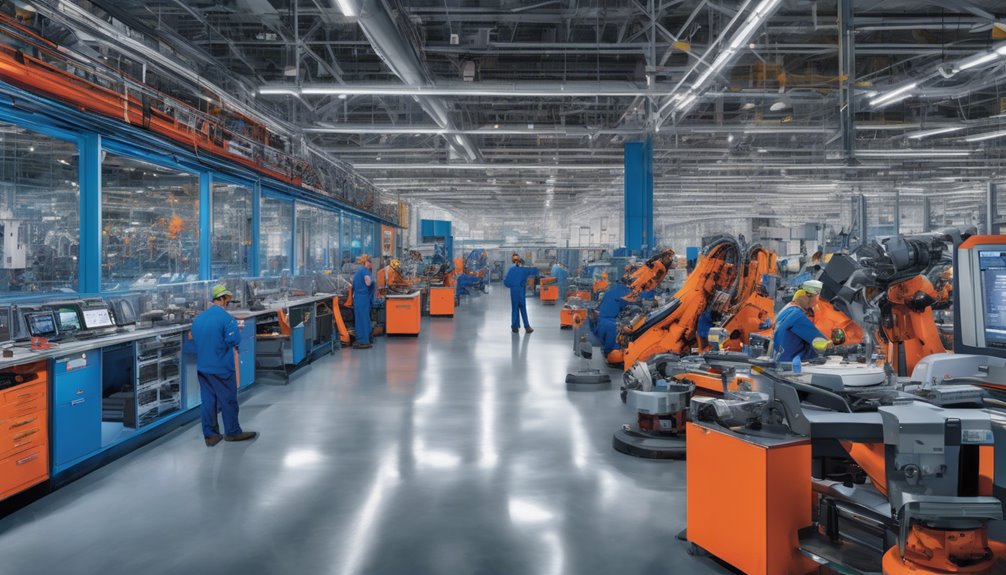
Timwood's principles can significantly impact various industries by streamlining operations and enhancing efficiency.
In manufacturing, you'll notice reduced waste and improved productivity, leading to cost savings. The healthcare sector benefits from better resource allocation, ensuring that patient care isn't compromised.
Retailers can optimize inventory levels, minimizing overstock and stockouts, which ultimately boosts customer satisfaction. In construction, implementing Timwood's strategies promotes better project management and reduces delays, keeping budgets in check.
Even in the tech industry, you'll find that focusing on key processes can lead to faster product development cycles and higher innovation rates.
Strategies for Identifying Waste in Your Processes
How can you effectively pinpoint waste in your processes? Start by mapping out each step in your workflow. This visual representation helps you see where delays or redundancies occur.
Next, involve your team; they often have valuable insights into inefficiencies. Use metrics to measure performance and identify bottlenecks. Observing how tasks flow through your system can reveal hidden waste, like excess movement or waiting times.
Conduct regular audits and review feedback to track ongoing issues. Don't forget to analyze customer feedback; they can highlight areas where you're falling short. Additionally, implementing continuous improvement initiatives can help sustain the momentum of your waste reduction efforts.
Practical Techniques for Reducing Timwood

While eliminating waste might seem daunting, there are practical techniques you can implement to reduce Timwood in your processes.
First, streamline your workflows by mapping out each step, identifying bottlenecks, and removing unnecessary tasks.
Next, prioritize effective communication among team members to prevent misunderstandings that lead to delays.
Consider employing tools like Kanban boards to visualize progress and manage workload efficiently.
Additionally, standardize procedures to ensure consistency and minimize errors.
Regularly review your processes and encourage feedback from your team, fostering a culture of continuous improvement.
Finally, invest in training to enhance skills and boost productivity. Implementing 5S principles will further support your efforts to optimize efficiency and reduce waste.
Measuring the Success of Waste Reduction Efforts
To effectively gauge the success of your waste reduction efforts, it's essential to establish clear metrics that reflect improvements in efficiency and productivity.
Start by tracking the volume of waste generated before and after implementing changes. Measure changes in processing time and employee engagement; these can signal improvements in workflow.
You might also want to analyze cost savings related to reduced waste disposal fees and raw material usage. Regularly review these metrics to identify trends and areas that need adjustment.
Don't forget to involve your team in this process; their insights can lead to more effective strategies.
Conclusion
Incorporating the Timwood framework into your processes can significantly enhance efficiency and drive continuous improvement. By identifying and addressing the seven types of waste, you can streamline operations and boost customer value. Remember, the journey doesn't stop after initial improvements; keep measuring your success and refining your strategies. Embrace a culture of ongoing evaluation, and you'll not only minimize waste but also unlock the full potential of your team and resources. Start your Timwood journey today!