
In today’s competitive world, businesses are always looking for ways to improve and stay ahead. One powerful method that has proven effective is Six Sigma. But how can companies keep it going strong? The answer lies in sustaining Six Sigma with strong leadership. When leaders are truly committed, they can drive efforts that not only improve processes but also improve customer satisfaction.
Read more about Sustaining Six Sigma With Strong Leadership
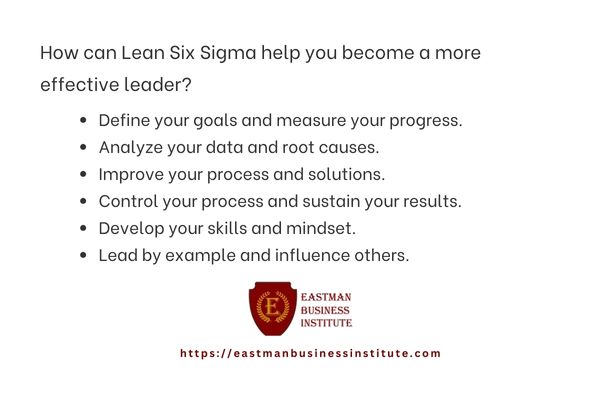
By combining the principles of Lean and Six Sigma with total quality management and the Toyota Production System, companies can focus on waste reduction and continuous improvement. This approach not only streamlines operations but also builds a culture of excellence that benefits everyone.
More Things To Know About Sustaining Six Sigma With Strong Leadership

Understanding Six Sigma
Understanding Six Sigma involves implementing data-driven methods to improve processes and reduce defects. Six Sigma is a disciplined approach aimed at minimizing variations and enhancing quality within an organization’s processes.
Its importance lies in driving operational excellence, fostering customer satisfaction, and ultimately contributing to organizational success. By defining clear project goals, measuring current process performance, analyzing data to identify root causes of issues, improving processes systematically, and controlling variations, Six Sigma guarantees sustainable quality improvements.
Embracing Six Sigma can lead to increased efficiency, reduced costs, improved customer loyalty, and higher profitability. Integrating Six Sigma methodologies into your organization can have a profound impact on its performance and competitiveness in the market.
The Five Phases of Six Sigma: Define, Measure, Analyze, Improve, Control (DMAIC)
Implementing the Five Phases of Six Sigma, known as Define, Measure, Analyze, Improve, Control (DMAIC), is necessary for achieving sustainable quality improvements within your organization. These phases are the backbone of the six sigma methodology and are vital for successful lean six sigma implementation. Here’s a breakdown to guide you through the process:
- Define: Clearly outline the problem, goals, and customer requirements.
- Measure: Gather data related to the process to quantify the problem.
- Analyze: Identify the root causes of the issue using statistical tools.
- Improve: Implement solutions to address the root causes and improve the process.
Benefits of Implementing Six Sigma in an Organization
By utilizing Six Sigma principles, your organization can realize significant operational efficiencies and improved product quality. Effective leadership plays a critical role in aligning Six Sigma initiatives with organizational goals, ensuring that process improvement efforts are targeted towards areas that matter most.
Implementing Six Sigma not only improves the quality of your products and services but also leads to cost reductions and increased customer satisfaction. By sustaining Lean Six Sigma practices, your organization can continuously drive performance improvements and maintain a competitive edge in the market.
Embracing Six Sigma methodologies empowers your teams to identify and eliminate defects, streamline processes, and ultimately achieve higher levels of efficiency and effectiveness.
Role of Leadership in Six Sigma
Leadership plays a vital role in the successful implementation of Six Sigma methodologies within an organization. Strong leadership is necessary for driving Six Sigma initiatives and ensuring that lean Six Sigma practices are effectively integrated into the company’s culture. Leaders serve as champions of change, guiding teams through the process improvement journey and fostering a continuous improvement mindset.
They provide the necessary support, resources, and motivation to empower employees to participate in Six Sigma projects and welcome data-driven decision-making. Without strong leadership, Six Sigma initiatives may struggle to gain traction and produce sustainable results. It’s imperative for leaders to actively engage in the implementation process, communicate the vision clearly, and lead by example to foster a culture of quality and excellence.
Characteristics of Effective Leaders in Six Sigma
Effective leaders in Six Sigma exhibit key characteristics that drive successful implementation and foster a culture of continuous improvement within an organization. These leaders demonstrate unwavering commitment to Six Sigma principles and lean Six Sigma methodologies.
They prioritize data-driven decision-making, ensuring that all actions are based on statistical analysis rather than assumptions. Effective leaders also excel at communication, conveying the importance of quality and process improvement to all levels of the organization.
They empower their teams, providing the necessary support and resources to achieve project goals. These leaders lead by example, actively participating in improvement projects and showcasing their dedication to the Six Sigma philosophy.
Through their leadership, they inspire others to accept the principles of Six Sigma and aim for excellence.
Leadership Styles Suitable for Six Sigma
When leading a Six Sigma initiative, consider adopting styles like Transformational Leadership, Servant Leadership, and Participative Leadership.
These approaches emphasize inspiring change, serving others, and involving team members in decision-making processes.
Transformational Leadership
To effectively implement Six Sigma methodologies, adopting transformational leadership styles is vital for driving organizational change and continuous improvement. Transformational leaders prioritize change management by inspiring employees to welcome new processes and foster a culture of continuous learning. They play a critical role in shaping the organizational culture to align with Six Sigma principles, encouraging innovation and adaptability.
When faced with resistance to change, transformational leaders engage with employees, address concerns, and communicate the benefits of Six Sigma initiatives effectively. By championing a vision for excellence and empowering teams to take ownership of their work, transformational leaders create a supportive environment where Six Sigma can thrive and deliver lasting results.
Servant Leadership
Servant leadership, with its focus on empathy and selfless service, has emerged as a highly effective leadership style for fostering a culture of collaboration and empowerment within organizations implementing Six Sigma methodologies. By prioritizing employee engagement and valuing the input of team members, servant leaders create a supportive environment that encourages innovation and continuous improvement. This approach not only drives culture change but also improves overall organizational performance.
Servant leaders exhibit exceptional leadership skills by actively listening to their employees, understanding their needs, and providing the necessary support for success. Through this servant leadership style, organizations can cultivate a sense of community and shared purpose, leading to higher levels of motivation and commitment among team members.
Participative Leadership
In the domain of Six Sigma methodologies, embracing participative leadership can greatly improve team collaboration and decision-making processes.
Participative leadership involves valuing team members’ input, empowering them to contribute ideas, and involving them in the decision-making process. This leadership style fosters a sense of ownership and responsibility among team members, leading to improved customer satisfaction and quality management.
By encouraging open communication and active participation, participative leadership can help identify areas for operational efficiency improvements within the Six Sigma framework. Engaging team members in continuous improvement initiatives not only increases their motivation and commitment but also utilizes their diverse perspectives to drive innovation and problem-solving.
Integrating participative leadership into Six Sigma practices can strengthen team dynamics and drive sustainable improvements in organizational performance.
Building a Six Sigma Culture through Leadership
To build a Six Sigma culture through leadership, you need to focus on promoting continuous improvement, encouraging active employee participation in projects, and rewarding successful Six Sigma initiatives.
By fostering an environment that values quality and process improvement, you can instill a mindset of excellence within your organization.
Recognizing and celebrating achievements in Six Sigma can further aim for operational excellence.
Promoting a Culture of Continuous Improvement
Embodying a commitment to continuous improvement within an organization requires proactive leadership that champions the values and practices of Six Sigma methodologies.
To successfully implement lean Six Sigma, leaders must foster a culture of continuous improvement where employees are encouraged to identify opportunities for improvement and are empowered to make data-driven decisions. Leadership plays a vital role in promoting a mindset focused on innovation, efficiency, and quality.
Encouraging Employee Participation in Six Sigma Projects
Encouraging active employee involvement in Six Sigma projects is necessary for fostering a culture of continuous improvement within an organization. By promoting lean Six Sigma initiatives and actively encouraging employee participation in Six Sigma projects, leaders can drive operational excellence.
Engaging employees in these projects not only improves their problem-solving skills but also instills a sense of ownership and commitment to the organization’s goals. When employees feel valued and empowered to contribute their ideas to Six Sigma projects, it creates a collaborative environment where continuous improvement becomes ingrained in the organizational culture.
Leaders play a critical role in championing this participation, demonstrating the importance of each team member’s contribution to achieving overall success in Six Sigma initiatives.
Rewarding and Recognizing Six Sigma Successes
By celebrating and acknowledging achievements in Six Sigma projects, leaders can cultivate a culture of excellence and continuous improvement within the organization. Recognizing and rewarding Six Sigma successes is vital for reinforcing the value of the methodology and motivating employees to actively engage in improvement initiatives.
Strong leadership plays a pivotal role in creating a positive work environment where accomplishments are celebrated, and individuals feel appreciated for their contributions to the organization’s success. By publicly acknowledging the efforts and results of Six Sigma projects, leaders demonstrate their commitment to continuous improvement and inspire others to aim for excellence.
Implementing a system of rewarding and recognizing Six Sigma successes not only increases morale but also reinforces the importance of quality and efficiency in achieving organizational goals.
Challenges in Sustaining Six Sigma and How Leadership Can Overcome Them
Overcoming common obstacles in sustaining Six Sigma requires proactive leadership strategies and a deep understanding of the challenges that may arise. Some common obstacles include resistance to change in lean manufacturing processes, maintaining high standards of quality control throughout the organization, effective resource allocation to support Six Sigma initiatives, and ensuring the successful implementation of different Six Sigma tools.
Leaders must actively address these obstacles by fostering a culture of continuous improvement, providing adequate training on Six Sigma methodologies, and aligning resources with the organization’s strategic goals. By actively engaging with employees, monitoring progress, and making data-driven decisions, leaders can navigate these challenges and sustain the benefits of Six Sigma within their organizations.
Role of Leadership in Overcoming These Challenges
To effectively overcome the challenges in sustaining Six Sigma, leadership plays a pivotal role in driving continuous improvement and ensuring organizational success. In the domain of lean Six Sigma, leadership is necessary for managing obstacles and sustaining initiatives.
Strong leadership embodies a commitment to prioritizing quality, fostering a culture of continuous improvement, and actively engaging employees in the Six Sigma process. By demonstrating a clear vision, providing resources, and offering unwavering support, leaders can inspire teams to overcome challenges and drive successful outcomes.
Effective leadership empowers individuals to accept change, adapt to new methodologies, and persist in the face of difficulties, ultimately fostering a sustainable environment for lean Six Sigma practices to thrive.
Strategies for Leaders to Sustain Six Sigma in the Long Term
Consistently applying effective leadership strategies is key to sustaining Six Sigma in the long term and overcoming challenges that may arise. To sustain Six Sigma successfully, leaders must prioritize implementing lean practices, aligning them with Six Sigma principles.
By integrating lean Six Sigma methodologies, leaders can streamline processes, reduce waste, and improve overall efficiency. Effective leadership involves fostering a culture of continuous improvement, where employees are empowered to identify and address issues proactively.
Leaders should also focus on providing ongoing training and support to guarantee the successful implementation of lean Six Sigma practices throughout the organization. By demonstrating commitment to lean Six Sigma initiatives and actively engaging with teams, leaders can drive sustained success and maintain a culture of continuous improvement.
Measuring the Impact of Leadership on Six Sigma Success
You should focus on Key Performance Indicators (KPIs) for Six Sigma Success to gauge the impact of leadership.
Understand the correlation between strong leadership and the success of your Six Sigma initiatives.
Key Performance Indicators (KPIs) for Six Sigma Success
Effective leadership within an organization implementing Six Sigma methodology can be accurately assessed through specific Key Performance Indicators (KPIs) that measure the impact of leadership on the success of the Six Sigma initiative.
To gauge leadership’s influence on Six Sigma success, consider the following KPIs:
- Employee Engagement: Measure the level of employee involvement and commitment to Six Sigma practices under leadership guidance.
- Quality Improvement: Evaluate the rate of quality improvements achieved through Six Sigma projects led by the management team.
- Cost Reduction: Track the cost savings realized as a result of efficient leadership in implementing Lean Six Sigma principles.
- Project Timelines: Monitor the adherence to project schedules and deadlines set by leadership to ensure timely completion of Six Sigma initiatives.
The Correlation between Strong Leadership and Six Sigma Success
Pivoting from evaluating Key Performance Indicators for Six Sigma success, an organization’s achievement in implementing Six Sigma methodology prominently hinges on the strength of its leadership and its direct impact on overall success. Effective leadership, especially by Six Sigma Master Black Belts and Lean Six Sigma Black Belts, plays a pivotal role in guiding and driving Six Sigma projects towards successful completion.
Leaders who understand how to implement Lean Six Sigma practices within the organization not only foster a culture of continuous improvement but also guarantee the efficient execution of projects. By empowering teams, setting clear goals, and providing necessary resources, strong leadership can significantly improve the likelihood of achieving desired outcomes in Six Sigma initiatives.
Frequently Asked Questions
How Can Six Sigma Principles Be Applied to Industries Outside of Manufacturing?
To apply Six Sigma principles outside of manufacturing, you need to identify key processes, set clear goals, collect data, analyze for improvements, and involve teams in problem-solving. Consistent implementation and leadership support are vital.
What Are Some Common Misconceptions About the Role of Leadership in Implementing Six Sigma?
When implementing Six Sigma, common misconceptions about leadership include underestimating its important role. Effective leaders drive change, prioritize process improvement, and empower teams. Recognizing and addressing these misconceptions is key to successful Six Sigma implementation.
Are There Any Specific Leadership Styles That Are Not Suitable for Promoting a Six Sigma Culture?
Certain leadership styles like micromanagement or laissez-faire may hinder a Six Sigma culture. Empowering, supportive, and visionary leadership is more conducive to promoting a culture of continuous improvement and adherence to Six Sigma principles.
How Can Leaders Effectively Communicate the Importance of Six Sigma to Employees at All Levels of the Organization?
To effectively communicate the importance of Six Sigma to employees at all levels, you should be clear, consistent, and provide real-world examples. Encourage open dialogue, address concerns, and show support for their involvement in process improvement initiatives.
What Are Some Innovative Ways That Leaders Can Motivate Employees to Actively Participate in Six Sigma Initiatives?
To motivate employees to participate in Six Sigma initiatives, you can offer recognition for their contributions, provide training opportunities to improve skills, create a collaborative environment, and set clear goals to show the impact of their efforts on the organization’s success.