
Selecting candidates for Six Sigma training is like finding the perfect pieces for a complex puzzle. In any company, the success of Six Sigma projects hinges on choosing individuals who not only understand technical tools but can also drive successful projects from start to finish. When you’re in a classroom setting, picking the best people for Six Sigma training ensures that the entire team can achieve great results.
Read more about Selecting Candidates for Six Sigma Training
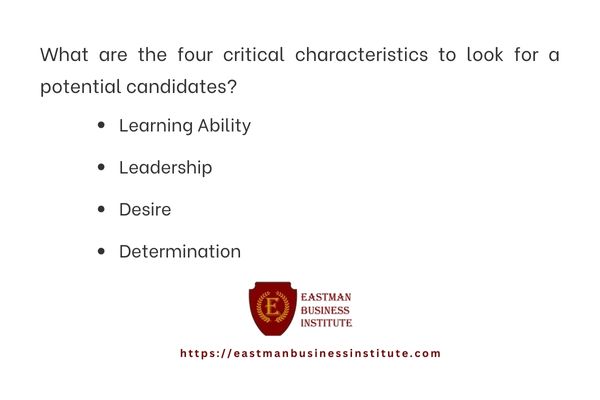
This article will guide you through the necessary steps of selecting candidates for Six Sigma training, helping your company to thrive and excel in all its Six Sigma endeavors.
More Things To Know About Selecting Candidates for Six Sigma Training

Understanding Six Sigma
Understanding Six Sigma is necessary for organizations aiming to achieve high levels of quality and efficiency in their processes. Six Sigma is a data-driven approach to quality management and process improvement. It focuses on reducing defects and variations in processes to near perfection levels.
Six Sigma training equips candidates with the tools and methodologies needed to identify and eliminate errors, leading to improved customer satisfaction and cost savings. When selecting candidates for Six Sigma training, it’s important to assess their analytical skills, problem-solving abilities, and commitment to continuous improvement.
The Five Phases of Six Sigma (DMAIC)
To successfully implement Six Sigma principles in your organization, it’s necessary to understand the structured approach known as the Five Phases of Six Sigma (DMAIC).
The DMAIC project begins with project selection, where a project team is formed and tasked with identifying areas for process improvements. Once a project is chosen, the team creates a project charter outlining the project’s scope, goals, and timeline.
The next phase involves conducting measurement systems analysis to guarantee data accuracy. Subsequently, the team moves on to analyzing the current processes to identify root causes of issues.
After analyzing the data, the team implements improvements based on their findings before finally controlling the process to sustain the improvements made.
The Role of Six Sigma in an Organization
You play an important role in understanding the benefits of implementing Six Sigma within your organization.
By grasping the different Six Sigma roles and responsibilities, you can effectively contribute to the success of Six Sigma initiatives.
Embracing these concepts will empower you to drive continuous improvement and achieve operational excellence.
Benefits of Implementing Six Sigma
What significant role does Six Sigma play in an organization, and how does it contribute to its overall benefits and success?
Six Sigma brings a structured approach to process improvement by emphasizing data-driven decision-making and the reduction of variation. Through rigorous analysis and the application of specific tools and skills, Six Sigma aims to meet customer criteria and improve overall success.
By focusing on continuous improvement, organizations can streamline processes, eliminate defects, and optimize efficiency. This results in increased customer satisfaction, higher quality products or services, and reduced costs.
Six Sigma acts as a catalyst for organizational growth and competitiveness, driving sustainable success in today’s dynamic business environment.
Different Six Sigma Roles and Responsibilities
How do different Six Sigma roles and responsibilities contribute to the effectiveness of an organization’s processes and overall performance?
In a Six Sigma team, individuals take on specific roles such as black belts and green belts. Black belts are highly trained professionals who lead project teams, implement improvements, and mentor green belts. They’re responsible for the overall success of the project and ensuring that the team meets its goals.
Green belts work on Six Sigma projects part-time while fulfilling their regular job responsibilities. They assist black belts in executing projects and analyzing data.
Criteria for Selecting Six Sigma Candidates
When selecting Six Sigma candidates, consider the necessary skills and qualities they should possess, their relevant work experience, and educational background.
Also, take into account their personal attributes and attitude. These criteria are vital in identifying individuals who’ll excel in the rigorous Six Sigma training and implementation processes.
Necessary Skills and Qualities
To identify suitable candidates for Six Sigma training, it’s necessary to look for individuals who demonstrate a strong aptitude for problem-solving and a keen attention to detail. Green belt candidates should possess necessary skills and qualities, including technical skills and the ability to analyze data effectively.
Candidates who excel in critical thinking, possess strong communication skills, and exhibit leadership potential are also ideal for Six Sigma training. The ability to work well in teams, a drive for continuous improvement, and a commitment to quality are key attributes to take into account when selecting candidates.
Relevant Work Experience and Educational Background
When evaluating potential candidates for Six Sigma training, consider their relevant work experience and educational background to guarantee a well-rounded selection process. Candidates with prior experience in process improvement or data analysis bring valuable expertise to the table. Look for individuals who’ve demonstrated skills in problem-solving, data interpretation, and project management.
A solid educational background in fields such as engineering, mathematics, or business can provide a strong foundation for Six Sigma principles. Qualifications such as relevant certifications or completed Six Sigma training courses can also indicate a candidate’s commitment to enhancing their knowledge in this area.
Confidence in handling complex projects and a willingness to further develop skills through training are key attributes to look for in potential Six Sigma candidates.
Personal Attributes and Attitude
Consider the personal attributes and attitude of candidates when selecting individuals for Six Sigma training to guarantee a well-rounded and effective team. A positive attitude towards change and improvement is important for success in Six Sigma training. Candidates should exhibit strong personal attributes such as problem-solving skills, attention to detail, and the ability to work well in teams.
Attitude plays an important role in embracing the methodologies of Six Sigma and driving organizational change towards quality management. Individuals selected for green belt training must showcase a willingness to learn, adapt, and lead initiatives within the organization. Their personal attributes and attitude will greatly impact the success of implementing Six Sigma practices within the management structure of the organization.
The Selection Process
You need to understand the steps involved in the selection process.
The role management plays in this process is vital.
The significance of a candidate’s willingness and commitment is paramount.
These points will help you grasp the key elements that contribute to choosing the right individuals for Six Sigma training.
Steps in the Selection Process
To secure the success of your Six Sigma training program, the selection process for belt candidates must be thorough and strategic. The steps in the selection process are important for identifying the right individuals for green belts and black belts roles.
Initially, collaborate with your training provider to define clear criteria for candidate selection. Next, assess potential candidates based on their experience, skills, and commitment to process improvement. Then, conduct interviews or evaluations to further gauge their suitability for the program.
Consider involving current green belts or black belts in the selection process for their valuable input. By following these steps diligently, you can make sure that the selected candidates are well-equipped to excel in their Six Sigma roles.
Role of Management in the Selection Process
Management plays an important role in the selection process for Six Sigma training candidates by providing valuable insights and guidance throughout the evaluation and decision-making stages. Their role involves identifying key competencies required for successful participation in Six Sigma training, such as analytical skills, problem-solving abilities, and leadership potential.
Management also assesses the candidates’ current workload and verifies to make sure they can dedicate sufficient time to the training program. They consider the strategic goals of the organization to align the selected candidates with the areas where Six Sigma methodologies can have the most significant impact.
Importance of Candidate’s Willingness and Commitment
Considering the candidate’s willingness and dedication is a critical factor in the selection process for Six Sigma training. The candidate’s willingness to learn and accept the methodologies of Six Sigma is necessary for successful completion of the training. Commitment plays a significant role in ensuring that the candidate not only completes the training but also applies the principles learned in their professional role.
During the selection process, evaluating the candidate’s level of willingness and dedication helps in identifying individuals who are likely to excel in Six Sigma training and become valuable assets to the organization. Without the candidate’s genuine interest and dedication, the effectiveness of the training may be compromised, emphasizing the importance of gauging these qualities during the selection process.
Training Levels in Six Sigma
When considering Six Sigma training levels, it’s important to understand the different belts and how they align with skills and experience. Matching a candidate’s expertise to the appropriate belt level guarantees effective training that increases their potential.
Overview of Different Six Sigma Belts
What’re the different Six Sigma belts and how do they represent different training levels in the methodology?
In Six Sigma, individuals are certified at different levels based on their expertise and responsibilities. Understanding the distinctions between the belts is important for effective belt selection. Here is a brief overview:
- Green Belt: Entry-level certification, involved in process improvement projects.
- Yellow Belt: Basic training in Six Sigma principles, assists Green Belts and Black Belts.
- Black Belt: Leads process improvement projects, mentors Green and Yellow Belts.
- Master Black Belt: Highest level, provides strategic direction, mentors Black Belts.
These belts play a significant role in implementing Six Sigma and Lean Six Sigma methodologies.
Matching Candidate’s Skills and Experience with the Appropriate Belt Level
To effectively match a candidate’s skills and experience with the appropriate Six Sigma belt level, consider their proficiency in process improvement and mentoring capabilities.
When selecting the right people for green belt certification, it’s important to assess their understanding of training material and their ability to apply it effectively in real-world scenarios.
A green belt candidate should demonstrate a solid grasp of Six Sigma principles and methodologies, and a willingness to lead improvement projects within their organization.
Preparing Candidates for Six Sigma Training
Before starting on Six Sigma training, you must first undergo a pre-training assessment to identify your strengths and areas for improvement.
Setting clear expectations and goals is necessary to make sure you stay focused and motivated throughout the training process.
Providing the necessary resources and support will help you succeed in your Six Sigma journey.
Pre-training Assessment
Assessing the strengths and weaknesses of potential candidates before Six Sigma training is important for tailoring the program effectively to their needs. Conducting a pre-training assessment is vital to identify the skills and knowledge gaps of each individual. This assessment should include a review of their previous methodology understanding, research capabilities, involvement in belt projects, and successful project outcomes.
For a black belt candidate, evaluating their leadership and project management skills is necessary. By gaining insights into these areas during the pre-training assessment, you can customize the training content to focus on areas where candidates need the most improvement. This targeted approach increases the chances of successful Six Sigma implementation and certification attainment.
Setting Expectations and Goals
Setting clear expectations and goals is necessary in preparing candidates for successful Six Sigma training. By clearly outlining what’s expected of candidates and setting specific goals for their training, you can help them understand the commitment required for the program.
Clearly defined expectations provide candidates with a roadmap of what they need to achieve, guiding them towards success in their training. Setting achievable goals helps candidates stay motivated and focused throughout the training process, ensuring they’re on track to meet the desired outcomes.
When selecting candidates for Six Sigma training, make sure to communicate the expectations and goals clearly from the beginning, setting the stage for a productive and successful training experience.
Providing Necessary Resources and Support
To prepare candidates effectively for Six Sigma training, it is vital to ensure they have access to the necessary resources and support to succeed in the program.
Providing necessary resources such as materials on the Six Sigma methodology, projects to work on, and access to Lean Six Sigma programs can significantly improve their learning experience.
Offering certification courses and guidance towards achieving a Green Belt certification can serve as motivation for candidates to excel in their training.
It is vital to ensure that candidates have the tools and support they need to fully engage with the training and apply their knowledge effectively in real-world scenarios.
Evaluating the Effectiveness of the Selection Process
When evaluating the effectiveness of the selection process for Six Sigma training candidates, consider conducting post-training performance assessments.
Gather feedback from the candidates who’ve completed the training to gain valuable insights.
Use this information to make necessary adjustments and improvements for future candidate selections.
Post-training Performance Assessment
Evaluating post-training performance is necessary for determining the effectiveness of the selection process for Six Sigma training candidates. After completing their Lean Six Sigma Black Belt training, candidates should undergo post-training assessment to gauge their ability to lead improvement projects and contribute effectively to project teams.
This assessment is critical in ensuring that the selected individuals can translate the knowledge gained during training into practical applications within a successful Six Sigma effort. By evaluating the performance of candidates post-training, organizations can identify areas of strength and areas needing improvement, ultimately enhancing the general success of their Six Sigma deployment.
Regular post-training assessments help in continuously refining the selection process and ensuring that the right candidates are chosen for Six Sigma training.
Feedback from Trained Candidates
After completing their lean six sigma black belt training, candidates should provide feedback on the selection process to assess its importance in identifying the right individuals for Six Sigma training.
This feedback analysis is vital for evaluating the training effectiveness and identifying any improvement opportunities in the candidate selection process.
By gathering insights directly from the trained candidates, organizations can gain valuable information on what aspects of the selection process worked well and which areas may need adjustments.
Through this training evaluation, organizations can refine their candidate selection criteria to make certain that future participants are well-suited for the lean six sigma training, maximizing the impact of the program and overall success rates.
Adjustments and Improvements for Future Selections
To improve future selection processes for Six Sigma training candidates, consider incorporating feedback from trained individuals to pinpoint areas for improvement and guarantee the effectiveness of the process. One way to refine the selection process is by analyzing the success rates of candidates who completed their Lean Six Sigma Green Belt or Black Belt projects. This data can help identify which characteristics or qualifications lead to successful project completion.
Gathering input from current Black Belts and Green Belts can offer valuable insights into what qualities are necessary for excelling in Six Sigma initiatives. By making adjustments based on this feedback, future selections can be tailored to choose candidates who are most likely to thrive in the Six Sigma environment.
| Areas for Improvement | Action Steps |
|---|---|
| Success Rates of Candidates | Analyze completed Green Belt and Black Belt projects to identify common traits among successful candidates. |
| Qualities of Successful Candidates | Gather feedback from current Black Belts and Green Belts to determine key attributes necessary for success in Six Sigma projects. |
| Refining Selection Criteria | Adjust selection processes based on feedback to choose candidates best suited for Six Sigma training. |
Frequently Asked Questions
How Long Does It Typically Take for Candidates to Complete Six Sigma Training?
Typically, candidates complete Six Sigma training in a few weeks to a few months, depending on the level of certification pursued. Dedication and practice are key to mastering the concepts and tools efficiently.
Are There Any Specific Industries or Job Roles That Benefit More From Six Sigma Training?
In different industries, roles like project managers, quality professionals, and process improvement specialists benefit greatly from Six Sigma training. Its principles can improve efficiency, reduce errors, and drive continuous improvement in diverse organizations.
Can Individuals With No Prior Experience in Quality Improvement Still Be Successful in Six Sigma Training?
Yes, individuals with no prior quality improvement experience can succeed in Six Sigma training. Your dedication, willingness to learn, and ability to apply new concepts are necessary. Accept the challenge and aim for excellence.
What Are Some Common Challenges That Candidates Face During Six Sigma Training?
You may encounter challenges in Six Sigma training like mastering statistical tools, understanding complex methodologies, and managing project timelines. Stay focused, seek help when needed, and practice regularly to overcome these obstacles successfully.
How Does Six Sigma Training Typically Impact an Individual’s Career Advancement Opportunities Within an Organization?
Embracing Six Sigma training can greatly increase your career prospects within an organization. By mastering process improvement techniques and demonstrating tangible results, you’ll stand out as a valuable asset, opening up new advancement opportunities.