
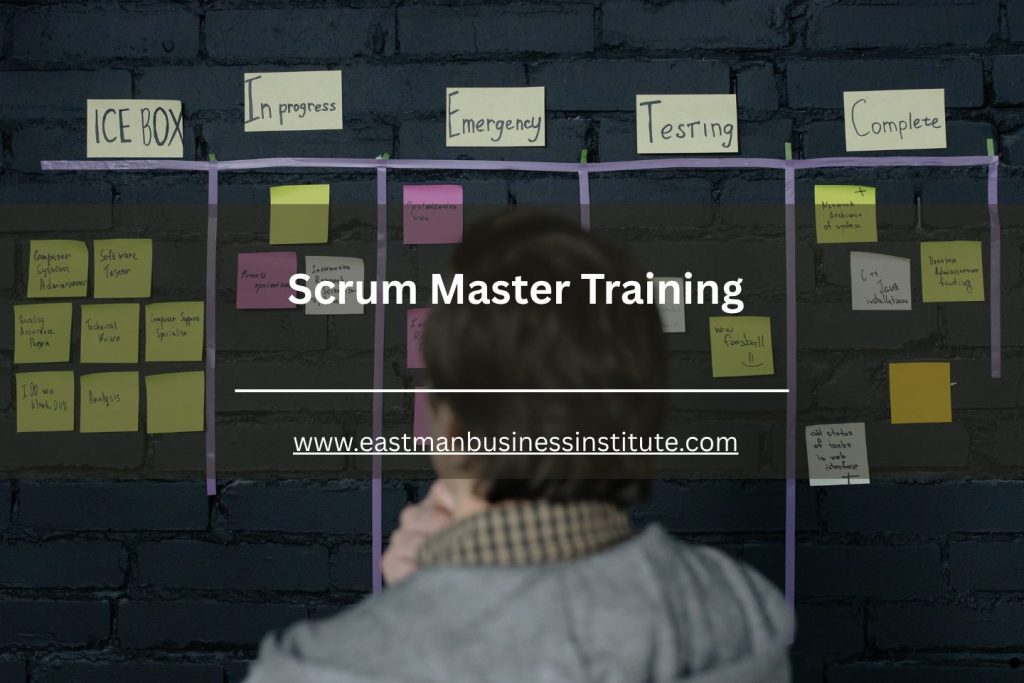

Scrum Master training equips individuals with the skills to facilitate Agile teams, remove obstacles, and foster collaboration, making them invaluable assets to any organization.
If you’re considering Scrum Master training, you’re stepping into a pivotal role within Agile teams. You’ll gain insights into the Scrum framework and learn how to facilitate collaboration effectively. Understanding your responsibilities can make a significant impact on team dynamics and project outcomes. But what exactly does it take to excel in this role, and how can it advance your career? Let’s explore the key components and benefits of this training.
Understanding the Role of a Scrum Master
The Scrum Master is the linchpin of the Scrum framework, ensuring that the team adheres to its principles and practices. You act as a facilitator, guiding the team through the Scrum process while removing obstacles that hinder progress.
Your role involves coaching team members on their responsibilities and fostering a collaborative environment. You’re also responsible for promoting the values of Scrum, such as transparency and continuous improvement. By helping the team embrace these values, you strengthen their ability to deliver high-quality results.
Moreover, you serve as a communication bridge between the team and stakeholders, ensuring everyone stays aligned. Ultimately, your leadership helps cultivate a productive atmosphere where the team can thrive and achieve its goals efficiently.

Key Benefits of Scrum Master Training
As you embark on Scrum Master training, you’ll discover numerous benefits that can elevate your team’s performance and enhance your leadership skills.
You’ll gain a deep understanding of Agile principles, which will help you facilitate collaboration and improve communication within your team. This training equips you to identify and remove obstacles, allowing your team to achieve higher productivity.
You’ll also learn to foster a culture of continuous improvement, empowering team members to innovate and take ownership of their work. Additionally, you’ll enhance your conflict resolution skills, ensuring your team remains cohesive and focused.
Ultimately, Scrum Master training not only transforms your approach to leadership but also drives your team’s success, making you an invaluable asset to any organization.
Core Components of Scrum Master Training
Understanding the core components of Scrum Master training is essential for anyone looking to excel in this role.
You’ll delve into key concepts like Scrum roles, events, and artifacts, which form the backbone of effective Scrum practices. You’ll learn how to facilitate team collaboration, promote a culture of continuous improvement, and remove obstacles that hinder progress.
Additionally, you’ll explore techniques for coaching teams to self-organize and embrace agility. Conflict resolution and stakeholder engagement are crucial skills you’ll develop, ensuring your team remains focused and aligned with project goals.
Finally, you’ll gain insights into metrics that measure progress and success, enabling you to drive performance effectively. Mastering these components prepares you for the challenges of being a successful Scrum Master.
The Scrum Framework Explained
Grasping the core components of Scrum Master training sets the stage for exploring the Scrum framework itself.
Scrum is an agile methodology designed to facilitate collaboration within teams. It comprises key roles: the Scrum Master, Product Owner, and Development Team, each playing a crucial part in project success.
You’ll follow structured events like Sprints, Sprint Planning, Daily Stand-ups, Sprint Reviews, and Retrospectives, ensuring continuous improvement.
Artifacts such as the Product Backlog, Sprint Backlog, and Increment provide transparency and guide your team’s work.
By understanding these elements, you empower yourself to foster effective communication and adapt to changing requirements.
Embracing the Scrum framework will help streamline processes and enhance your team’s productivity and efficiency.

Skills Developed Through Training
While you navigate through Scrum Master training, you’ll develop a range of essential skills that enhance your ability to lead teams effectively.
You’ll learn how to facilitate productive meetings, ensuring everyone’s voice is heard and fostering collaboration. Your understanding of Agile principles will deepen, allowing you to adapt processes to fit your team’s unique needs.
Problem-solving skills will sharpen, equipping you to address challenges swiftly and efficiently. You’ll also enhance your communication skills, essential for conveying ideas clearly and motivating team members.
Lastly, conflict resolution techniques will become second nature, enabling you to maintain a positive team dynamic. By the end of your training, you’ll feel confident in your capacity to support and guide your team toward success.
Pathways to Certification and Career Advancement
As you build your skills through Scrum Master training, you’re likely looking toward certification and career advancement opportunities. Obtaining a Scrum Master certification, like the Certified ScrumMaster (CSM) or Professional Scrum Master (PSM), can significantly enhance your credibility.
These certifications validate your understanding of Scrum principles and practices, making you more attractive to employers.
After achieving certification, consider gaining experience by leading Scrum teams or participating in Agile projects. This hands-on practice will deepen your expertise and prepare you for roles like Agile Coach or Project Manager.
Continuously learning through workshops, networking, and attending Agile conferences can also open doors to new opportunities.
Stay proactive in your career journey, and you’ll find pathways to growth in the dynamic field of Agile project management.
Conclusion
In conclusion, Scrum Master training equips you with the skills and knowledge to effectively lead Agile teams. By understanding the Scrum framework and honing your conflict resolution and stakeholder engagement abilities, you’ll foster collaboration and drive continuous improvement. With pathways to certification and career advancement, investing in this training not only enhances your professional growth but also contributes significantly to the success of your projects. Embrace the journey and watch your team thrive!

Frequently Asked Questions
What is scrum master training?
Scrum master training is a professional development program designed to teach individuals how to lead Agile teams using Scrum methodologies. The training covers sprint planning, backlog management, team facilitation, Agile principles, and continuous improvement practices.
Who should enroll in scrum master training?
Scrum master training is ideal for project managers, team leaders, software developers, product owners, business analysts, and professionals who want to improve Agile project management and team collaboration skills.
What skills are learned during scrum master training?
Participants typically learn Agile frameworks, Scrum ceremonies, sprint management, stakeholder communication, conflict resolution, team facilitation, backlog prioritization, and techniques for improving productivity and workflow efficiency.
How does scrum master training help organizations?
Scrum master training helps organizations improve collaboration, increase project transparency, accelerate product delivery, and enhance team performance through structured Agile and Scrum practices.
Can scrum master training prepare professionals for certification exams?
Yes, many scrum master training programs are designed to help learners prepare for industry-recognized Scrum and Agile certifications by covering core Scrum concepts, frameworks, roles, and best practices.