

Have you considered how the 6s Lean methodology could transform your workplace? By focusing on sorting, organizing, and sustaining order, you can streamline operations and reduce waste. It's not just about efficiency; it's about fostering a culture that empowers employees. As you explore the principles of 6s Lean, you might find some surprising challenges and benefits that could reshape your approach to productivity. What's the first step you'd take to implement these changes?
Understanding the 6s Lean Methodology
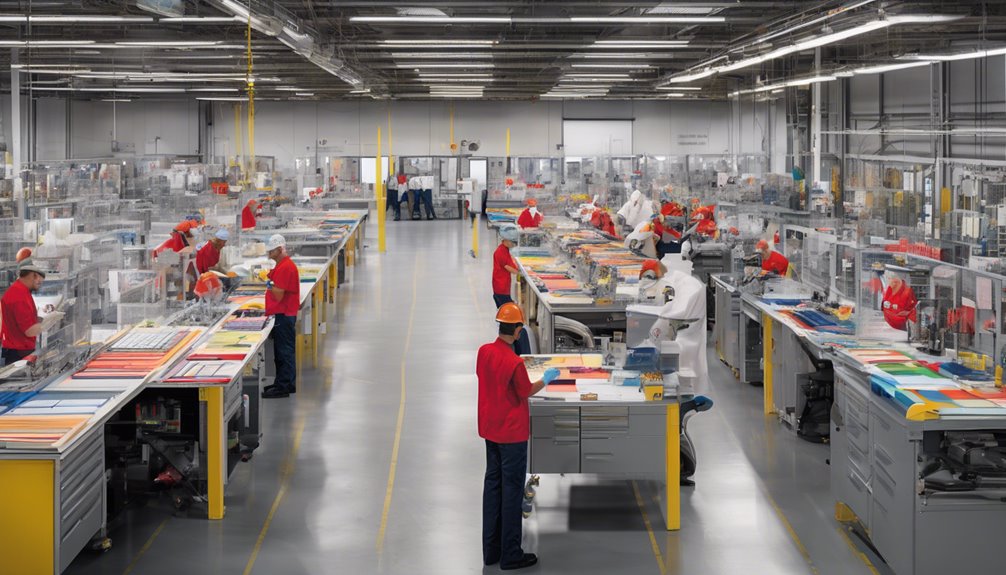
When you dive into the 6s Lean methodology, you'll discover a powerful framework designed to enhance efficiency and organization in any workspace.
This approach focuses on six key principles: Sort, Set in order, Shine, Standardize, Sustain, and Safety. Each principle plays a crucial role in streamlining processes and minimizing waste.
You'll learn to identify what's necessary and eliminate the clutter, ensuring your workspace is organized and functional. By implementing these steps, you create an environment that promotes productivity and safety.
The 6s Lean methodology encourages continuous improvement, allowing you to adapt and refine your processes over time. Embracing these principles not only benefits your immediate workspace but also fosters a culture of efficiency throughout your organization. Furthermore, it aligns with lean methodologies to eliminate waste and improve productivity.
The Importance of Each 'S'
Each component of the 6s Lean methodology plays a vital role in creating an efficient and safe workspace.
The first 'S', Sort, helps you eliminate unnecessary items, making it easier to find what you need.
Next, Set in Order promotes organization, ensuring tools and materials are in their designated places.
Shine focuses on cleanliness, preventing hazards and promoting a healthy environment.
Standardize establishes protocols that maintain consistency, enhancing productivity.
Sustain emphasizes the importance of maintaining these practices over time, encouraging a culture of continuous improvement.
Finally, Safety integrates precautions that protect you and your team, fostering a secure work atmosphere. Additionally, implementing lean principles can significantly enhance quality and decrease lead times, further optimizing workplace efficiency.
Implementing 6s Lean in Your Organization

Implementing the 6s Lean methodology in your organization can significantly enhance efficiency and workplace safety. Start by clearly defining each 'S': Sort, Set in order, Shine, Standardize, Sustain, and Safety.
Engage your team by providing training and resources to understand these principles. Assign specific roles to ensure everyone is responsible for maintaining the system. Create visual aids, like charts and checklists, to help employees stay on track.
Regularly schedule audits to assess compliance and encourage feedback for continuous improvement. Celebrate small wins to keep morale high. Emphasizing continuous improvement will ensure that the 6s Lean methodology remains effective and relevant in your organization.
Benefits of Adopting 6s Lean
Adopting 6s Lean can transform your workplace by boosting efficiency and enhancing safety.
You'll notice a significant reduction in waste as you streamline processes, which means more time for productive tasks. This method fosters a culture of continuous improvement, encouraging you and your team to identify areas for enhancement regularly.
Enhanced organization leads to quicker access to tools and materials, saving precious minutes each day.
Plus, by promoting cleanliness and order, you reduce the risk of accidents, creating a safer environment for everyone.
With 6s Lean, you empower employees to take ownership of their workspace, leading to increased morale and job satisfaction.
In short, the benefits of adopting 6s Lean can profoundly impact your organization's overall performance and culture. Additionally, implementing Lean Six Sigma principles can further enhance operational excellence and improve quality outcomes across processes.
Common Challenges and Solutions

While 6s Lean offers numerous benefits, organizations often face common challenges during implementation.
One major hurdle is employee resistance; many team members might be skeptical about changes. To tackle this, involve them early in the process, encouraging their input and addressing concerns directly.
Another challenge is inconsistent communication; unclear messaging can derail progress. You can overcome this by establishing regular check-ins and updates that keep everyone informed.
Additionally, inadequate training can hinder success. Invest in comprehensive training sessions to ensure everyone understands their roles, which aligns with the emphasis on training and development to foster a common language and mindset for continuous improvement.
Finally, lack of management support can stall initiatives. Secure buy-in from leadership by demonstrating the potential benefits of 6s Lean to gain necessary backing.
Case Studies: Success Stories of 6s Lean
Overcoming challenges in 6s Lean implementation can lead to remarkable success stories that inspire other organizations.
For instance, a manufacturing plant faced frequent delays due to disorganized workspaces. By adopting 6s Lean principles, they streamlined their processes, reduced waste, and improved efficiency. Employees felt more engaged, and productivity soared.
Another company in the service sector struggled with long wait times. After implementing 6s Lean, they identified bottlenecks and optimized workflows, resulting in a 30% reduction in customer wait times.
These success stories demonstrate the power of 6s Lean. When you tackle challenges head-on, you can transform your organization, boost morale, and achieve significant results. Additionally, the adoption of continuous improvement techniques fosters a culture that embraces ongoing enhancements.
Embrace these principles, and you'll pave the way for your own success story.
Future Trends in Lean Practices

As organizations continue to evolve, the future of lean practices is set to embrace new technologies and methodologies that enhance efficiency and flexibility.
You'll likely see increased integration of artificial intelligence and data analytics, allowing for real-time decision-making and process optimization.
Emphasizing a culture of continuous improvement, companies will adopt agile practices to respond quickly to market changes.
Remote work and digital collaboration tools will further streamline operations, enabling teams to maintain productivity from anywhere.
Sustainability will also play a crucial role, driving organizations to minimize waste and focus on eco-friendly practices. Additionally, the implementation of Lean Six Sigma methodologies will further enhance quality improvement and resource optimization within these evolving frameworks.
Conclusion
Incorporating the 6s Lean methodology into your organization can transform your workplace efficiency and culture. By focusing on Sort, Set in order, Shine, Standardize, Sustain, and Safety, you not only streamline processes but also empower your team. Embracing these principles fosters a cleaner, safer, and more organized environment where continuous improvement thrives. As you navigate the challenges of implementation, remember that the long-term benefits far outweigh the initial efforts—leading to a more productive and satisfied workforce.