

The 5S methodology organizes workplaces for efficiency, while the 6S system adds a critical safety component to proactively reduce hazards and improve overall operations.
When you think about workplace efficiency, 5S and 6S methodologies come to mind. These systems not only organize your space but also enhance safety and productivity. While 5S lays the groundwork, 6S introduces crucial safety measures. Understanding how these approaches differ and complement each other can transform your operations. As you explore their principles, you'll uncover the real impact they can have on your team's performance and morale.
Understanding the Basics of 5S
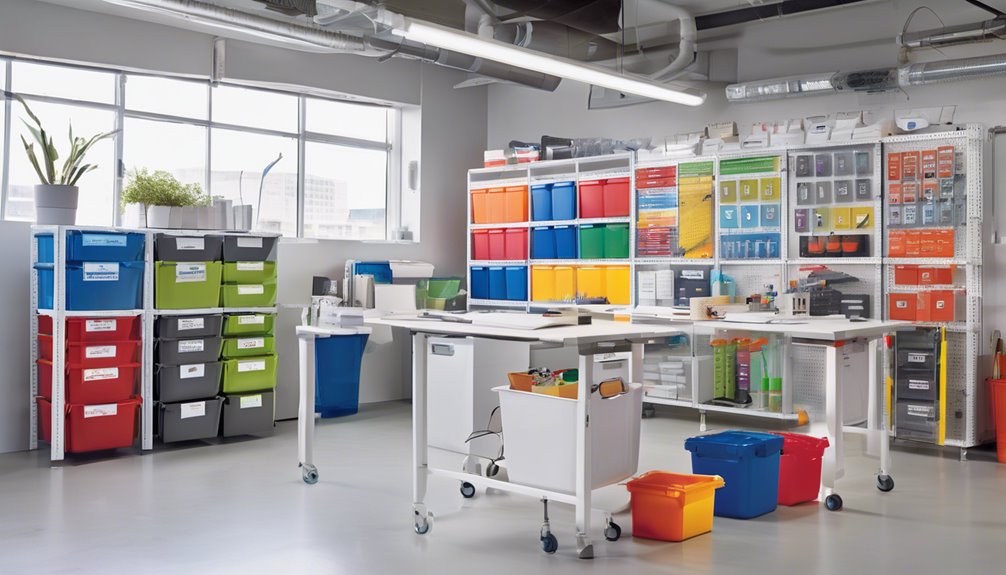
5S is a powerful methodology designed to enhance workplace organization and efficiency. It consists of five key steps: Sort, Set in order, Shine, Standardize, and Sustain.
You'll start by sorting through your workspace, removing unnecessary items to create clarity. Next, you'll set everything in its designated place, ensuring easy access.
Shine involves keeping your area clean, promoting hygiene and safety. Standardize means creating protocols for maintaining the first three steps, making your process consistent.
Finally, sustain is about keeping the improvements over time, encouraging everyone to commit to the system.
The Additional Element of Safety in 6S
While the original 5S methodology focuses on organization and efficiency, the addition of safety in 6S elevates workplace standards even further. By incorporating safety, you create an environment where employees feel secure and valued.
This addition encourages you to identify potential hazards and implement preventive measures, ultimately reducing accidents and injuries.
Emphasizing safety means fostering a culture of responsibility, where everyone actively participates in maintaining a safe workspace. You'll find that regular safety audits and training sessions become essential, ensuring everyone's on the same page.
Moreover, a safe workplace boosts morale and productivity, as employees can focus on their tasks without fear. Implementing Kaizen principles can further enhance safety practices by promoting continuous improvement in identifying and mitigating risks.
In short, integrating safety into your 6S practices transforms your workplace into a more efficient, reliable, and supportive environment.
Key Differences Between 5S and 6S

Incorporating safety into your workplace practices brings about significant changes when comparing 5S and 6S. The primary difference lies in the additional "Safety" component of 6S, which emphasizes creating a safer work environment.
While 5S focuses on sorting, setting in order, shining, standardizing, and sustaining, 6S includes safety as a critical element, enhancing overall workplace efficiency.
With 6S, you're not just organizing your space but also identifying hazards and implementing safety protocols. This proactive approach reduces risks and improves employee morale. Additionally, the 6S methodology fosters a culture of continuous improvement, ensuring that safety practices are regularly updated and reinforced.
Furthermore, 6S encourages ongoing training and awareness, ensuring everyone understands safety procedures. By adopting 6S, you're promoting a culture that values both productivity and safety, making it a more comprehensive methodology than 5S.
Benefits of Implementing 5S
Implementing 5S can transform your workplace by boosting efficiency and productivity. You'll notice a cleaner and more organized environment, which reduces time spent searching for tools and materials.
By sorting and eliminating unnecessary items, you create a streamlined workflow that enhances focus and minimizes distractions. You'll also foster a culture of discipline and responsibility among your team, as everyone learns to maintain the organization and cleanliness of their workspace.
Moreover, the visual management aspect of 5S helps you quickly identify issues, making problem-solving more effective. Regular audits ensure continuous improvement, keeping your workplace in top shape. Additionally, the principles of Lean Manufacturing can be effectively integrated with 5S to further enhance operational performance.
Ultimately, adopting 5S not only enhances operational efficiency but also improves employee morale and satisfaction, leading to a more engaged and motivated workforce.
Advantages of Adopting 6S
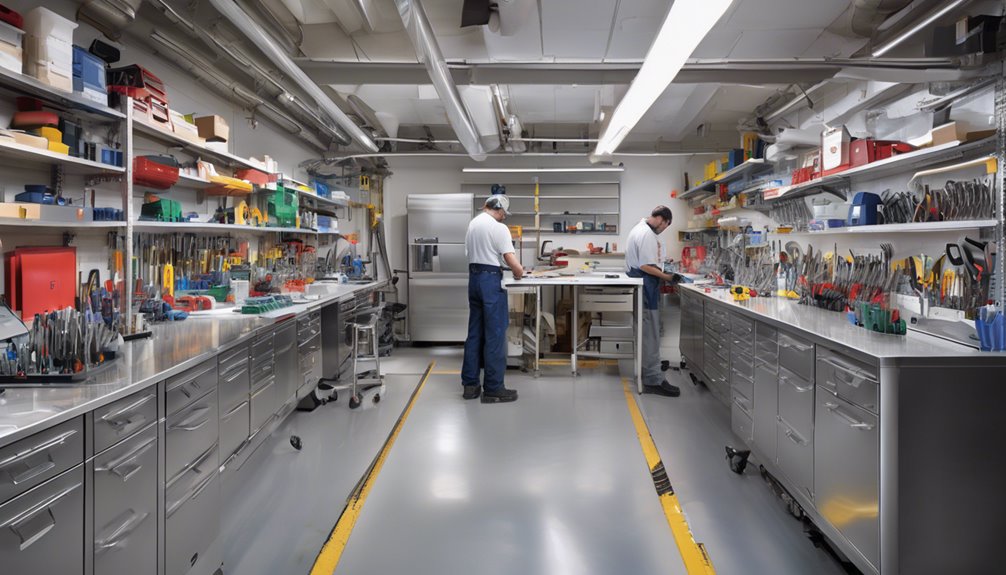
Building on the foundation of 5S, adopting 6S introduces an additional layer that significantly enhances workplace safety. By incorporating safety as a key component, you create a culture where employees prioritize their well-being and that of their colleagues. This proactive approach identifies potential hazards, leading to fewer accidents and injuries on the job.
Moreover, 6S fosters a sense of responsibility among team members, encouraging them to take ownership of their workspace. You'll notice improved morale and productivity as employees feel more secure and engaged. Additionally, maintaining a clean and organized environment streamlines processes, reducing waste and inefficiencies. This aligns with the principle of continuous improvement, ultimately embracing 6S can lead to a safer, more efficient workplace that benefits everyone involved.
Steps to Successfully Implement 5S
Successfully implementing 5S involves a structured approach that can transform your workplace into a more organized and efficient environment.
Start by sorting your items—remove anything unnecessary. Next, set everything in order; designate specific spots for tools and materials.
Shine your workspace by cleaning and maintaining it regularly. Standardize your practices by creating clear guidelines for maintaining organization.
Lastly, sustain your efforts by regularly reviewing your processes and encouraging everyone's participation. Engage your team in training sessions to foster a culture of continuous improvement.
Use visual aids to remind everyone of 5S principles. By following these steps, you'll not only enhance productivity but also create a safer and more pleasant workplace for everyone involved.
How to Incorporate Safety Into 6S
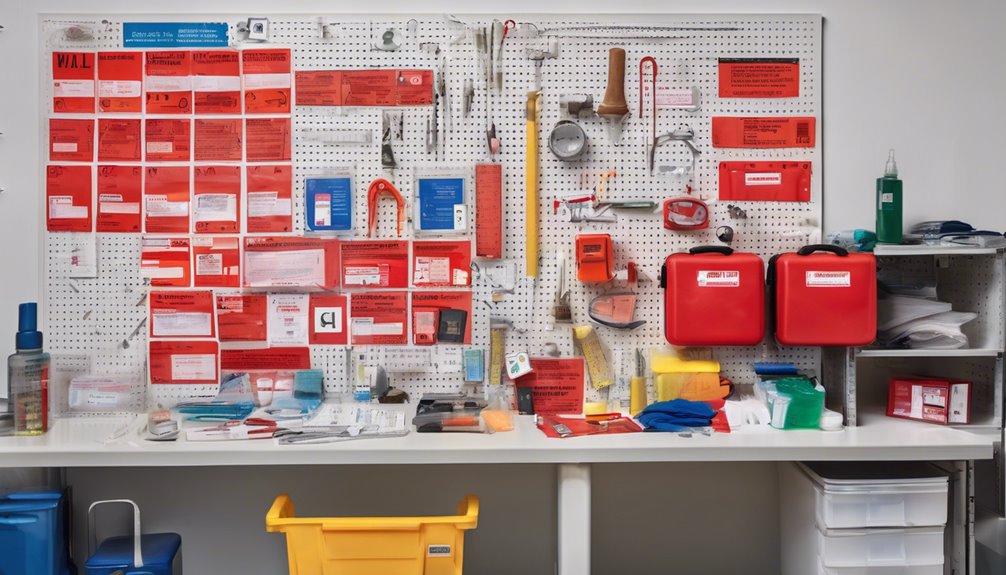
Integrating safety into the 6S methodology not only enhances workplace organization but also fosters a culture of well-being among employees.
Start by identifying potential hazards during the Sort phase, ensuring that unsafe items are removed or addressed.
In the Set in Order phase, arrange tools and materials for easy access while keeping safety in mind; label storage areas clearly.
For Shine, encourage regular cleaning and maintenance to prevent accidents.
During Standardize, establish safety protocols and checklists that everyone can follow.
Finally, in Sustain, promote ongoing safety training and create a feedback loop where employees can report safety concerns.
Common Challenges in 5S and 6S Implementation
While implementing 5S and 6S methodologies can lead to significant improvements in organization and efficiency, many organizations face common challenges that can hinder success.
One major hurdle is lack of management support; without leadership commitment, sustaining these practices becomes difficult. Employees may resist change, viewing it as just another initiative rather than a way to enhance their work environment.
Additionally, inadequate training can lead to misunderstandings about the processes, resulting in inconsistent application. Time constraints often make it tough to maintain the discipline required for 5S and 6S.
Lastly, failing to establish clear metrics for measuring progress can leave you unsure about the effectiveness of your efforts. Strong leadership support is essential for overcoming these challenges and fostering a culture of continuous improvement. Addressing these challenges head-on is crucial for successful implementation.
Real-World Examples of 5S and 6S Success

When organizations embrace 5S and 6S methodologies, they often see remarkable transformations in their operations.
Take a manufacturing company that implemented 5S; within months, they reduced waste by 30% and improved production efficiency significantly. Employees felt more engaged, as their workspaces became cleaner and more organized.
In a healthcare setting, a hospital adopted 6S, which led to better patient flow and a decrease in medication errors. Staff could quickly find necessary supplies, saving precious time.
Another example is a retail store that utilized 5S to streamline inventory management, resulting in a 20% increase in sales.
These real-world successes highlight how commitment to 5S and 6S can enhance productivity, safety, and overall workplace morale. Additionally, the integration of continuous improvement practices fosters a culture of excellence that sustains these benefits over time.
Best Practices for Maintaining 5S and 6S Standards
Organizations that have experienced the benefits of 5S and 6S understand the importance of maintaining these standards for long-term success.
To keep your workplace organized, start by conducting regular audits. Schedule weekly or monthly checks to ensure everyone adheres to the practices. Involve your team in training sessions, emphasizing the value of 5S and 6S.
Encourage open communication, allowing employees to share ideas for improvement. Visual management tools, like color-coded labels, can help reinforce organization. Additionally, celebrate successes, no matter how small, to motivate your team.
Lastly, make it a habit to review and refine your processes continuously. By committing to these best practices, you'll create a sustainable environment that promotes efficiency and productivity.
Conclusion
Incorporating 5S and 6S into your workplace can transform efficiency and safety. By embracing these methodologies, you not only enhance organization but also foster a culture of responsibility and continuous improvement. Remember, regular audits and open communication are key to maintaining these standards. As you implement these practices, you'll likely see increased morale and operational excellence. Don't hesitate to start your journey towards a more organized and safer work environment today!