
In project management, understanding risks is crucial for success. A Risk Breakdown Structure (RBS) helps you categorize and prioritize these risks effectively. By organizing potential challenges into clear categories, you can enhance communication within your team. This structured approach not only aids in risk identification but also supports informed decision-making. Curious about how to create an effective RBS and its real benefits? Let's explore the key components and steps involved.
What Is a Risk Breakdown Structure?

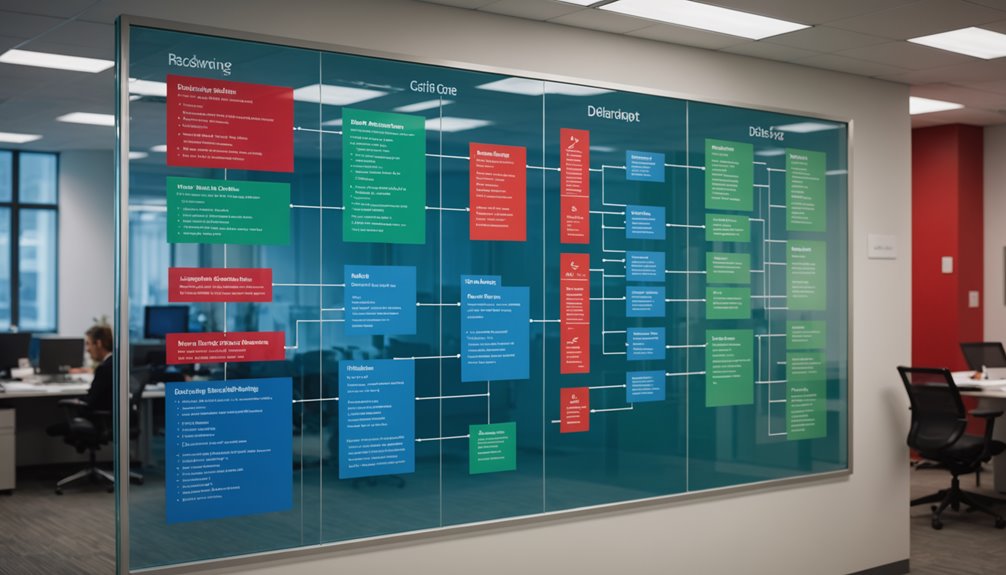
A Risk Breakdown Structure (RBS) is a powerful tool that helps you identify, categorize, and prioritize risks in a structured manner. By breaking down risks into manageable components, you gain a clearer understanding of potential issues that may arise during your project.
An RBS typically starts with broad categories, such as technical, external, organizational, and project management risks. You can then further decompose these categories into more specific risks. This hierarchical approach not only simplifies risk analysis but also facilitates better communication among team members.
When you visualize risks this way, you're more equipped to address them proactively, ensuring your project stays on track. Ultimately, an RBS serves as a foundational element in effective risk management.
Importance of RBS in Project Management
While managing a project, recognizing and addressing potential risks is crucial to achieving success. The Risk Breakdown Structure (RBS) plays a vital role in this process. It helps you systematically identify and categorize risks, ensuring nothing slips through the cracks.
By using an RBS, you can visualize the risk landscape, making it easier to communicate with your team and stakeholders. This clarity fosters a proactive approach, allowing you to prioritize risks and allocate resources effectively.
Additionally, an RBS enhances your risk management strategy by providing a structured framework for analysis and response planning. Ultimately, leveraging an RBS empowers you to navigate uncertainties, leading to more informed decision-making and a higher chance of project success.
Components of a Risk Breakdown Structure

Understanding the components of a Risk Breakdown Structure (RBS) is key to effective risk management in your project. An RBS is typically hierarchical, breaking down risks into categories and subcategories. The top level usually includes major risk categories like technical, external, organizational, and project management risks.
Beneath these, you'll find specific risks that fall into each category, allowing for a clearer understanding of potential issues. Additionally, each risk can have attributes such as probability, impact, and mitigation strategies associated with it.
Steps to Create an Effective RBS
Creating an effective Risk Breakdown Structure (RBS) starts with clearly defining the scope of your project. Identify the major deliverables and objectives to ensure you cover all potential risks.
Next, break down these deliverables into smaller components, categorizing risks into groups such as technical, operational, and external. Engage your team to brainstorm and list risks associated with each category, ensuring you capture different perspectives.
Prioritize these risks by assessing their impact and likelihood, allowing you to focus on the most critical ones. Document everything clearly, making it easy for stakeholders to understand.
Finally, review and update the RBS regularly throughout the project to reflect any changes or new risks that may arise. This keeps your risk management process dynamic and effective.
Benefits of Using an RBS

Using an RBS offers numerous advantages that enhance your project's risk management efforts.
First, it provides a clear visual representation of potential risks, making it easier for you to identify and categorize them. By breaking down risks into smaller components, you can prioritize which ones to address first. This structured approach promotes better communication among team members, ensuring everyone understands the risks involved.
Additionally, an RBS helps you allocate resources more effectively, as you can pinpoint areas requiring more attention. It also fosters proactive risk management, allowing you to develop strategies before issues arise.
Ultimately, utilizing an RBS can lead to improved project outcomes and increased stakeholder confidence in your ability to manage risks efficiently.
Common Challenges in Implementing RBS
While implementing a Risk Breakdown Structure (RBS) can significantly enhance your project's risk management, several common challenges often arise.
One major hurdle is the lack of stakeholder buy-in. If team members aren't fully invested, it can undermine the entire RBS process.
Another challenge is the difficulty in accurately identifying and categorizing risks, which can lead to incomplete or misleading data.
Additionally, maintaining an updated RBS can be tough, especially in dynamic project environments where new risks constantly emerge.
You might also face resistance to change from team members accustomed to existing processes.
Addressing these challenges proactively is essential to ensure your RBS effectively supports your risk management efforts and enhances project outcomes.
Best Practices for Maintaining an RBS

To keep your Risk Breakdown Structure (RBS) effective and relevant, regular updates are crucial as project dynamics evolve.
Schedule periodic reviews with your team to assess and adjust risks as needed. Encourage open communication, allowing team members to share insights and concerns about emerging risks.
Use historical data from previous projects to inform your current RBS, identifying patterns and lessons learned. Prioritize risks based on their potential impact, ensuring your focus remains on the most significant threats.
Don't forget to document any changes you make, maintaining transparency throughout the process.
Lastly, integrate your RBS with other project management tools, streamlining your risk management efforts and enhancing overall project success.
Conclusion
Incorporating a Risk Breakdown Structure into your project management process can significantly enhance your ability to identify, analyze, and mitigate risks. By understanding its components and following best practices, you'll foster better communication and informed decision-making among your team. Remember, maintaining your RBS is crucial for adapting to new challenges as they arise. Embrace this structured approach, and you'll pave the way for improved project outcomes and increased stakeholder confidence.