

You might have noticed how complex processes can sometimes lead to confusion and inefficiency. That's where a process model comes in. It helps you visualize steps, relationships, and workflows clearly. By using process models, you can streamline operations and improve communication. But what exactly goes into creating an effective process model? Understanding the key components and best practices can make all the difference in your organization's success.
What Is a Process Model?
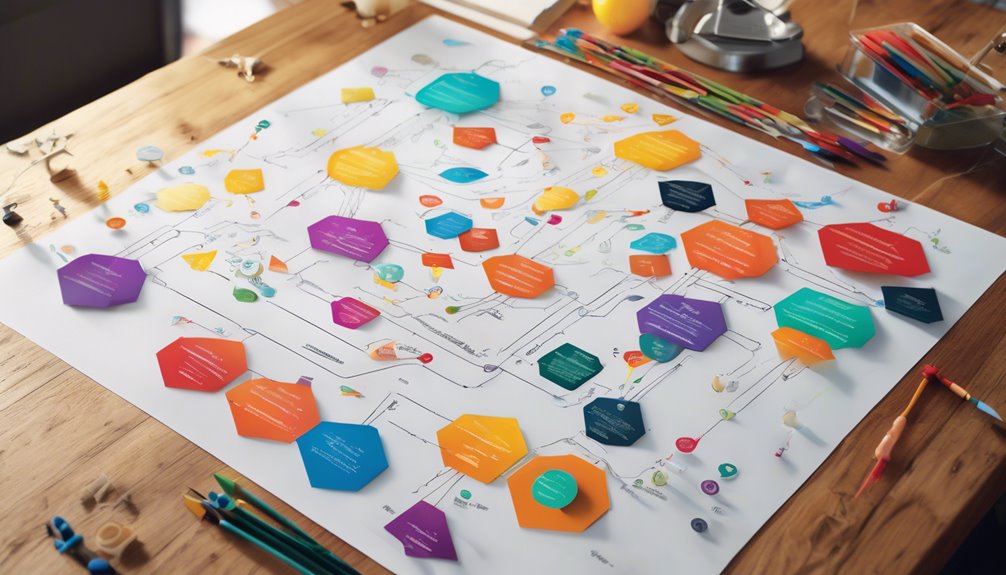
A process model is a structured representation that outlines how a specific process operates. It helps you visualize the steps involved, the sequence in which they occur, and the relationships between different components.
By breaking down a process into manageable parts, you can identify areas for improvement and streamline workflows. You'll often find process models expressed through flowcharts, diagrams, or written descriptions, making it easier to communicate complex processes.
When you create or analyze a process model, you gain insights into how tasks are completed and how resources are utilized. This clarity can aid in training new team members or aligning stakeholders on expectations. Additionally, utilizing a DMAIC methodology can further enhance the effectiveness of your process model by providing a structured approach to continuous improvement.
Importance of Process Models in Organizations
Process models play a crucial role in organizations by providing a clear framework for understanding and optimizing workflows. By mapping out processes, you can identify inefficiencies and areas for improvement, ultimately leading to increased productivity.
These models help you visualize the sequence of tasks and define roles, making it easier to communicate expectations to your team. With a structured approach, you can also ensure compliance with regulations and standards, reducing the risk of errors.
Additionally, process models facilitate training for new employees, as they offer a straightforward guide to follow. By implementing effective process models, you create a culture of continuous improvement, empowering your organization to adapt and thrive in a competitive environment. This aligns with the principles of Six Sigma project management, which emphasize reducing defects and variability to enhance overall quality.
Types of Process Models

Understanding the different types of process models can further enhance your organization's efficiency and adaptability. There are several key types you should consider.
The Waterfall model is linear and straightforward, making it suitable for projects with well-defined requirements. Agile models, on the other hand, promote flexibility through iterative development, allowing for quick adjustments based on feedback.
Then, there's the V-Model, which emphasizes verification and validation at each stage. Spiral models combine elements of both Waterfall and Agile, focusing on risk assessment and iterative improvement.
Lastly, the Business Process Model and Notation (BPMN) offers a standardized approach to documenting processes.
Key Components of a Process Model
When you delve into process models, you'll find that several key components are essential for their effectiveness. First, you need a clear objective that defines what you want to achieve.
Next, identify the inputs and outputs to understand the flow of information and resources. You'll also want to outline the specific steps involved in the process, ensuring that each action is purposeful and aligns with your goals.
Additionally, roles and responsibilities must be established to clarify who's accountable for each task.
Finally, consider feedback mechanisms to assess performance and make adjustments as necessary. By focusing on these components, you can create a robust process model that enhances efficiency and drives success. Integrating a structured approach, such as the DMAIC model, can further streamline your process improvement efforts.
Steps to Create an Effective Process Model

Creating an effective process model involves a series of clear and deliberate steps. First, identify the purpose of your model. What problem are you solving?
Next, gather input from stakeholders to ensure you understand their needs and expectations. Once you have a solid foundation, outline the key steps involved in the process. Be specific and concise.
Then, define roles and responsibilities to clarify who's accountable for each step. After that, visualize the process using diagrams or flowcharts to enhance comprehension.
Review the model with your team to gather feedback and make necessary adjustments. Finally, document the model clearly and share it with all stakeholders to ensure everyone's on the same page. This approach fosters better communication and alignment. Additionally, incorporating tools such as process mapping can significantly enhance the clarity and effectiveness of your model.
Tools and Software for Process Modeling
After establishing a solid process model, selecting the right tools and software can significantly enhance your workflow and efficiency.
Consider using software like Microsoft Visio, Lucidchart, or Bizagi, which provide intuitive interfaces for creating detailed diagrams. These tools often include templates and features that simplify the modeling process.
If you prefer cloud-based solutions, platforms like Miro or Creately allow for real-time collaboration, making it easy to involve your team.
Additionally, project management tools like Trello or Asana can help you track your processes and ensure everyone stays aligned.
Best Practices for Implementing Process Models

To successfully implement process models, you should prioritize clear communication among all stakeholders. Encourage team members to share their insights and concerns throughout the modeling process. Establish a shared understanding of goals and objectives, ensuring everyone's on the same page.
Next, involve stakeholders in the design and validation phases, as their input can improve model accuracy and buy-in. Regularly review and update the model based on feedback and changing requirements to maintain its relevance.
Additionally, provide training to ensure everyone understands how to use the model effectively. Lastly, measure the impact of the model on your processes and adjust as necessary. By fostering a culture of continuous improvement, you can enhance the effectiveness and sustainability of your process models.
Case Studies: Successful Process Model Implementations
While many organizations struggle with process inefficiencies, several have successfully implemented process models that transformed their operations.
For example, a leading manufacturing firm streamlined its supply chain by adopting a lean process model. This reduced waste and improved delivery times, resulting in a 20% increase in customer satisfaction.
Another case involves a healthcare provider that implemented a workflow model to enhance patient care. By standardizing procedures, they cut down on errors and increased patient throughput, which boosted their revenue.
These examples show how effective process models can lead to significant improvements. Additionally, organizations that integrate Lean Six Sigma principles into their process models often achieve even greater efficiency and quality outcomes.
When you analyze successful implementations, you'll find common themes: clear objectives, stakeholder engagement, and continuous evaluation. Adopting these strategies can help you achieve similar success in your organization.
Future Trends in Process Modeling

As organizations increasingly embrace digital transformation, future trends in process modeling are set to evolve dramatically.
You'll likely see a surge in automation and AI integration, streamlining workflows and enhancing decision-making. Real-time data analytics will become pivotal, allowing you to adapt processes dynamically based on immediate insights.
Collaborative tools will foster teamwork, breaking down silos and enabling cross-functional collaboration. Additionally, process modeling will shift towards user-friendly interfaces, making it easier for non-technical users to contribute.
Expect increased emphasis on sustainability, as organizations aim to optimize processes while minimizing environmental impact. Incorporating continuous improvement principles will further enhance efficiency and adaptability in process modeling.
Lastly, incorporating blockchain technology could enhance transparency and trust, securing data integrity throughout the modeling process. Embracing these trends will position you at the forefront of innovation.
Conclusion
In conclusion, embracing process models can revolutionize how you approach workflows in your organization. By understanding their importance and leveraging the right tools, you can enhance communication, streamline operations, and drive continuous improvement. Remember the key components and best practices we've discussed to create effective models that align with your goals. As you implement these strategies, you'll not only boost efficiency but also foster a culture of collaboration and innovation within your team.