
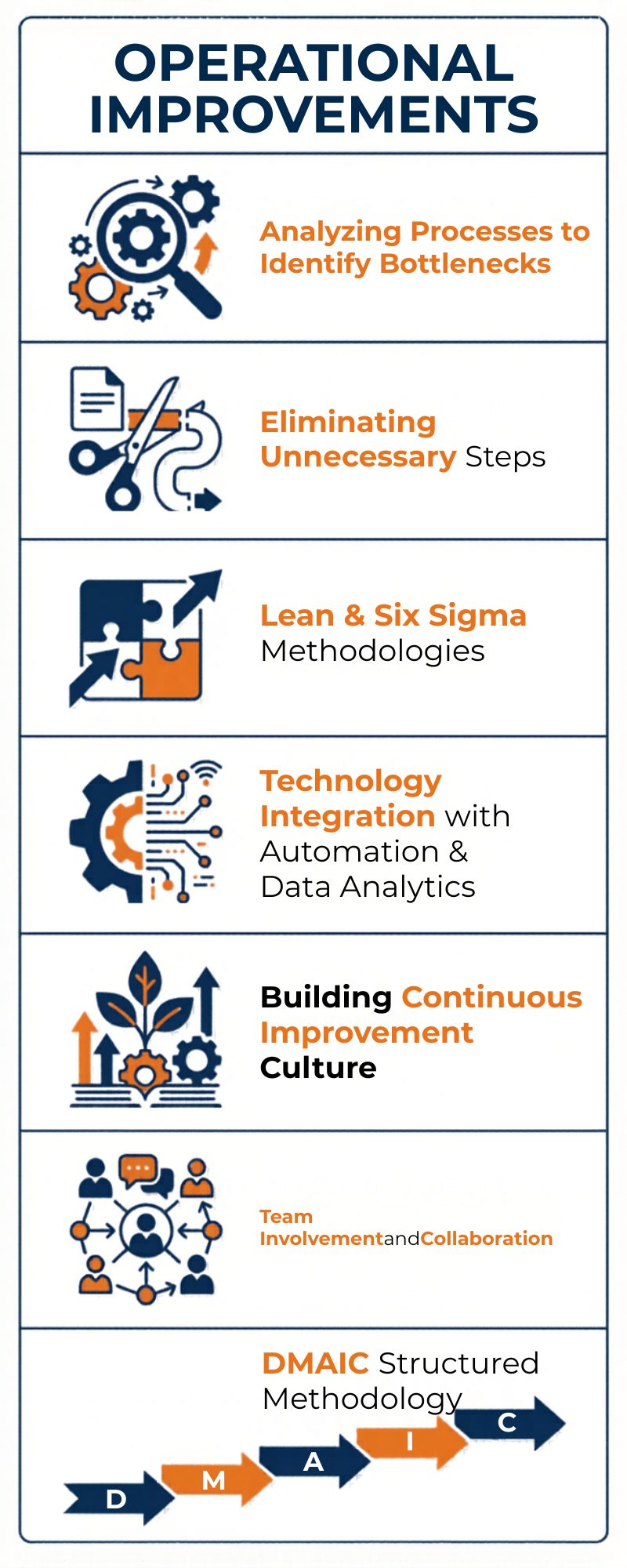
Streamlining processes and applying lean methodologies like DMAIC and value stream mapping can cut costs, reduce waste, and foster continuous improvement, ultimately aligning resources with organizational goals for long-term adaptability.
When it comes to operational improvements, understanding the nuances can significantly impact your organization’s efficiency. You’ll find that streamlining processes not only cuts costs but also enhances adaptability. Lean methodologies offer practical tools to identify waste and promote a culture of continuous improvement. But what specific strategies can you implement to ensure lasting change? The answers might surprise you as you explore the landscape of operational excellence.
Understanding Operational Improvements
When you think about operational improvements, it’s essential to recognize that they aren’t just about cutting costs or boosting productivity; they’re about creating a more efficient and adaptable organization.
Understanding operational improvements means identifying areas where you can enhance processes, reduce waste, and streamline workflows. You need to analyze your current operations, pinpoint inefficiencies, and gather input from your team.
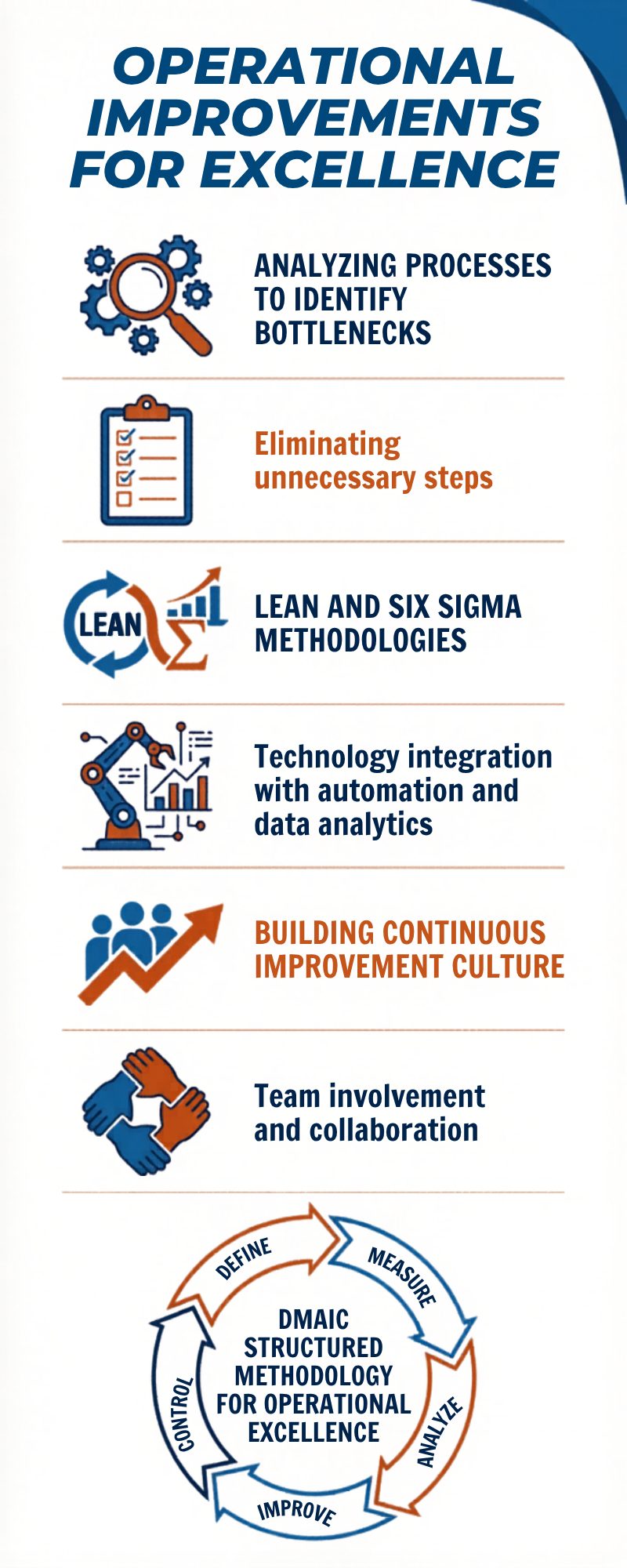
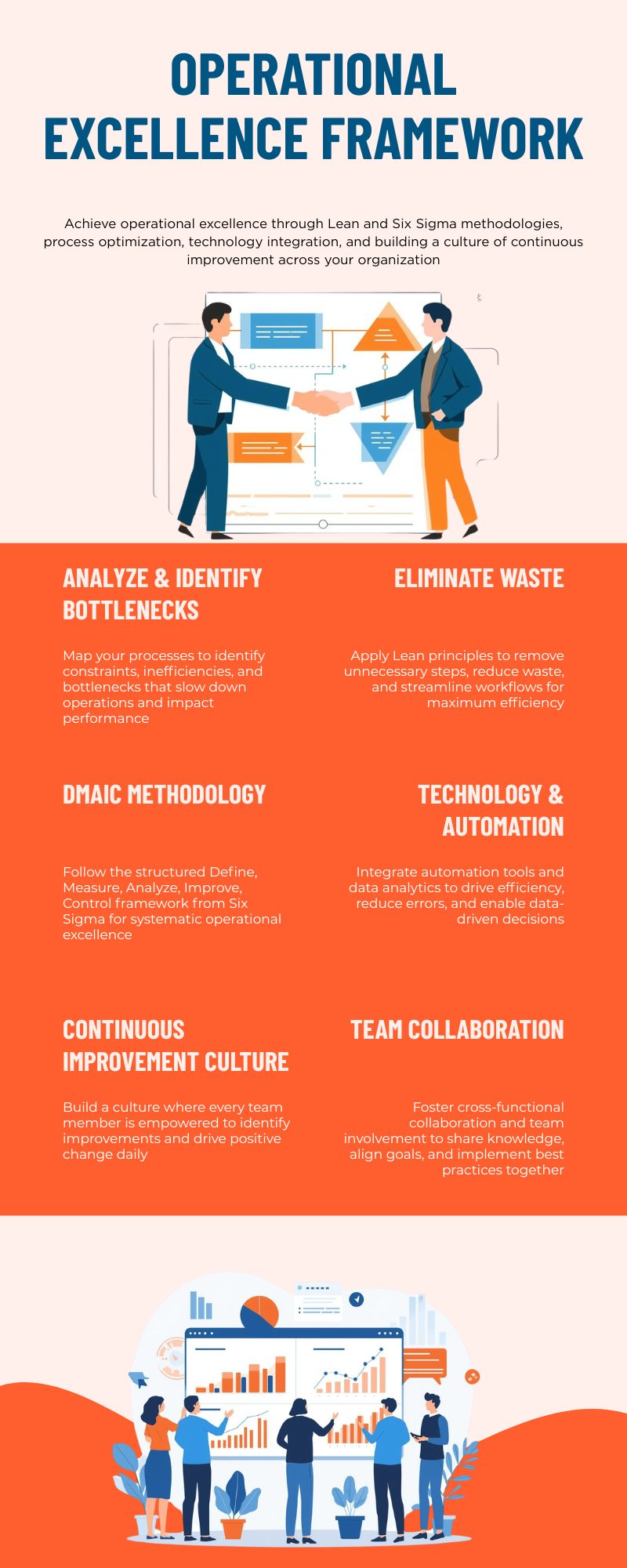
By fostering a culture of continuous improvement, you encourage innovation and responsiveness to change. Engaging your employees in this process not only empowers them but also leads to more sustainable solutions. Implementing methodologies like DMAIC can provide a structured approach to achieving these improvements.
Ultimately, operational improvements help you align your resources and capabilities with your organization’s goals, setting the stage for long-term success in an ever-evolving marketplace.
Key Benefits of Streamlining Processes
Streamlining processes not only boosts efficiency but also enhances overall organizational effectiveness. When you simplify workflows, you reduce the time and resources spent on tasks, allowing your team to focus on higher-value activities. This leads to faster decision-making and improved responsiveness to customer needs.
Additionally, clear and standardized processes minimize errors, resulting in better quality products or services. You’ll notice a significant improvement in employee morale, as your team can see the impact of their work without unnecessary obstacles.
Moreover, streamlining helps you identify bottlenecks and waste, paving the way for continuous improvement. By fostering a culture of efficiency, you position your organization to adapt quickly to changing markets and drive sustained growth. Implementing Lean Six Sigma methodologies can further enhance your process improvement efforts.
Lean Methodologies: Principles and Applications
Understanding lean methodologies can transform how your organization approaches efficiency and waste reduction. By focusing on value creation and minimizing waste, you can streamline processes and enhance productivity.
Start by identifying value from your customers’ perspective, then work to eliminate non-value-added activities. Implementing principles like continuous improvement and respect for people fosters a culture of accountability and innovation.
You can apply tools such as value stream mapping to visualize your processes and pinpoint bottlenecks. Encourage team collaboration to generate ideas for improvement, and regularly review your progress. Additionally, incorporating 5S principles will further refine your organization’s efficiency and workspace optimization.
Technology Adoption for Enhanced Efficiency
Incorporating technology into your operations can significantly elevate efficiency and productivity. By automating routine tasks, you free up your team to focus on more strategic initiatives.
Tools like project management software streamline workflows, allowing for better collaboration and communication among team members. Additionally, data analytics can provide real-time insights, helping you make informed decisions faster.
Embracing cloud solutions ensures accessibility, enabling your workforce to collaborate from anywhere, enhancing flexibility. Project charters can also help establish clear direction and alignment among team members, ensuring everyone is on the same page.
Don’t overlook the importance of training; equipping your employees with the right skills ensures they can leverage these tools effectively.
Ultimately, adopting the right technology can transform your operations, reduce errors, and boost overall performance, setting you up for long-term success in a competitive market.
Measuring Success: KPIs for Operational Improvements
While adopting new technologies can significantly enhance your operations, measuring the success of these improvements is crucial for ensuring long-term benefits.
Key Performance Indicators (KPIs) help you track progress and assess effectiveness. Start by identifying relevant metrics, such as operational efficiency, cost savings, and employee productivity.
Regularly monitor these KPIs to gauge whether your initiatives are meeting objectives. You might also consider customer satisfaction scores, as they reflect the impact of operational changes on your clients. Implementing Six Sigma metrics can further refine your measurement processes and enhance your operational improvements.
Don’t forget to adjust your strategies based on KPI insights; flexibility is vital for continuous improvement.
Case Study: Transforming Operations in Manufacturing
Operational improvements aren’t just theoretical; they can be seen in real-world applications, especially in the manufacturing sector.
Take, for example, a company that streamlined its production line by implementing lean manufacturing principles. By minimizing waste and optimizing workflow, they cut production time by 30%. You could see how the introduction of automation tools also reduced manual errors, enhancing product quality.
Employees were trained to adapt to new technologies, fostering a more agile work environment. As a result, the company not only boosted output but also improved employee morale. This case highlights how targeted operational changes can lead to significant gains, demonstrating the tangible benefits of transforming operations within the manufacturing landscape. Embracing such changes could be your pathway to success. Moreover, the integration of Six Sigma methodologies ensures a systematic approach to quality management, further solidifying operational improvements.
Fostering a Culture of Continuous Improvement
How can organizations truly thrive in today’s fast-paced environment? By fostering a culture of continuous improvement.
Start by encouraging everyone to share ideas and feedback. This openness helps identify inefficiencies and sparks innovation. Regularly review processes and celebrate small wins; this keeps the momentum alive.
Make it clear that improvement isn’t a one-time effort; it’s an ongoing journey. Utilize tools like Lean and six sigma to streamline operations and eliminate waste.
Empower employees to take ownership of their work, as this boosts motivation and accountability. Lastly, provide training and resources to support skill development. By creating a supportive environment that encourages innovation, organizations can ensure long-term success in their continuous improvement efforts.
Employee Engagement in Operational Excellence
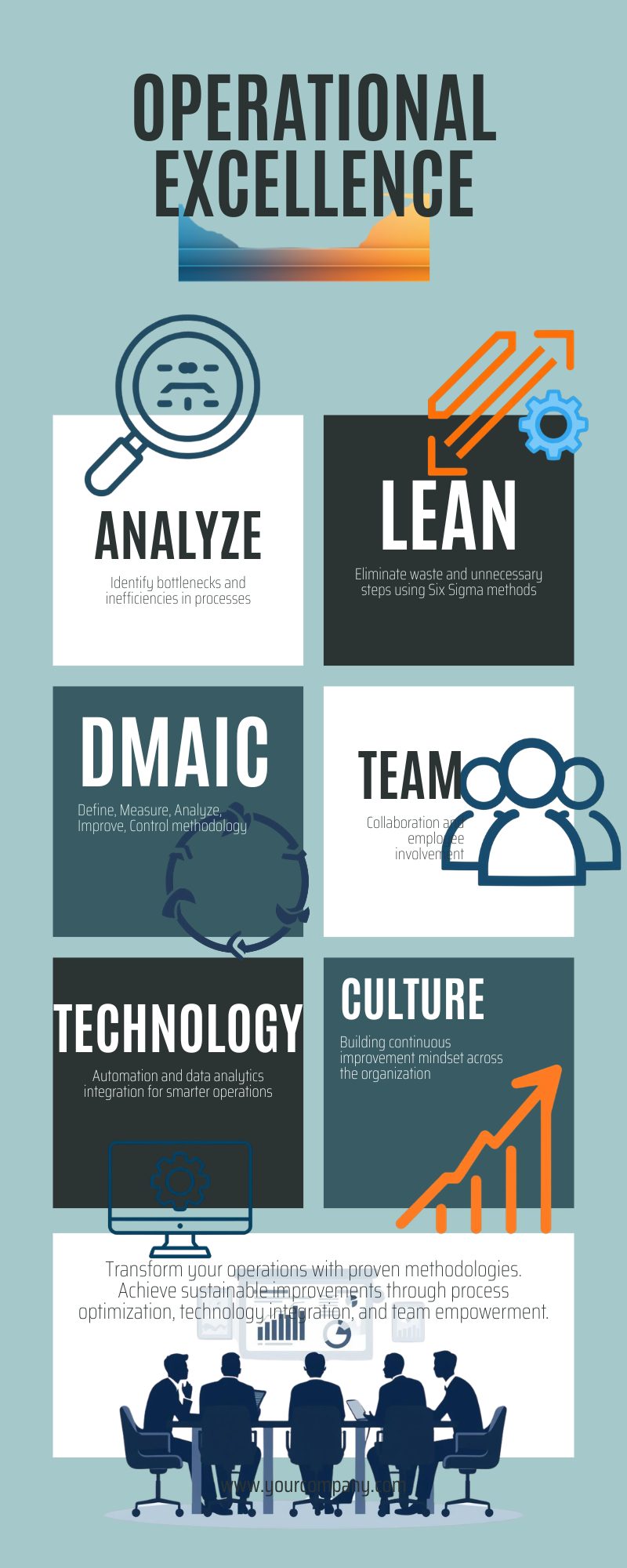
Employee engagement is crucial for achieving operational excellence, as it directly influences productivity and morale. When you actively involve your team in decision-making and problem-solving, they feel more valued and invested in their work.
Encouraging open communication fosters a sense of belonging, allowing employees to share ideas and offer feedback. This collaborative environment not only boosts motivation but also drives innovation in processes.
Recognizing and rewarding contributions can further enhance engagement, leading to improved performance. Remember, engaged employees are more likely to identify inefficiencies and suggest improvements, ultimately benefiting the organization. Additionally, fostering a culture of accountability can enhance employee ownership and drive operational success.
Overcoming Common Challenges in Implementation
While implementing operational improvements can drive significant benefits, it often comes with its own set of challenges. You might face resistance from employees who fear change or feel overwhelmed by new processes.
To overcome this, involve your team early in the planning stages. Encourage open communication and address concerns directly. Additionally, setting realistic timelines can help manage expectations and reduce stress.
Training is crucial; ensure everyone feels confident in their roles with the new systems. Moreover, demonstrating the benefits of Six Sigma can help alleviate concerns and foster a positive outlook towards the changes. Monitor progress regularly and be prepared to adapt your strategies as needed.
Future Trends in Operational Improvement Strategies
As businesses navigate an increasingly complex landscape, staying ahead of operational improvement trends is essential for long-term success.
Embracing automation technology will streamline processes and reduce human error, allowing you to focus on strategic decision-making. Data analytics is another crucial trend, enabling you to gain insights that drive efficiency and innovation. Additionally, adopting agile methodologies can enhance your adaptability, helping you respond to market changes swiftly. Sustainability practices are gaining traction too, as consumers increasingly prioritize eco-friendly operations. Finally, fostering a culture of continuous improvement encourages employee engagement and innovation, ensuring your team is always looking for ways to enhance productivity. Furthermore, incorporating Lean Six Sigma methodologies can provide a structured approach to problem-solving and process optimization.
Conclusion
In conclusion, embracing operational improvements can significantly enhance your organization’s efficiency and adaptability. By applying lean methodologies and engaging your employees, you’ll not only streamline processes but also foster a culture of continuous improvement. Remember to leverage technology and measure your success with key performance indicators. As you navigate challenges and stay updated on future trends, you’ll position your organization for sustained growth and innovation. Start your journey towards operational excellence today!
Frequently Asked Questions
What are operational improvements in a business environment?
Operational improvements are changes made to processes, systems, and workflows to increase efficiency, reduce waste, improve quality, and enhance overall business performance. These improvements often focus on streamlining daily operations and maximizing available resources.
Why are operational improvements important for organizations?
Operational improvements help organizations lower costs, improve productivity, strengthen customer satisfaction, and remain competitive. By refining processes and eliminating inefficiencies, businesses can achieve better results with fewer resources.
What methods are commonly used to achieve operational improvements?
Common methods include Lean principles, Six Sigma, process mapping, workflow automation, continuous improvement programs, and performance measurement systems. These tools help identify bottlenecks and create sustainable solutions.
How can teams support successful operational improvements?
Teams play a critical role by providing feedback, identifying issues, and participating in problem-solving efforts. Strong collaboration, employee involvement, and clear communication often lead to faster adoption and better long-term results.
How do you measure the success of operational improvements?
Success can be measured through key performance indicators such as reduced costs, faster cycle times, fewer errors, higher productivity, improved customer satisfaction, and stronger employee engagement. Tracking results helps ensure ongoing progress.