
Imagine you’re on a roller coaster, zooming through twists and turns with no intention of slowing down. This thrilling ride is a lot like the journey of maintaining momentum for continuous improvement. It’s all about keeping that energy alive, pushing forward, and never getting stuck.
In our fast-paced world, success doesn’t just happen; it’s built on a foundation of key performance indicators, a growth mindset, and strong problem-solving skills. These elements work together to keep us moving forward, ensuring that we don’t just meet our goals, but exceed them. So, how do we stay on this exciting ride without losing steam?
Read more about Maintaining Momentum for Continuous Improvement
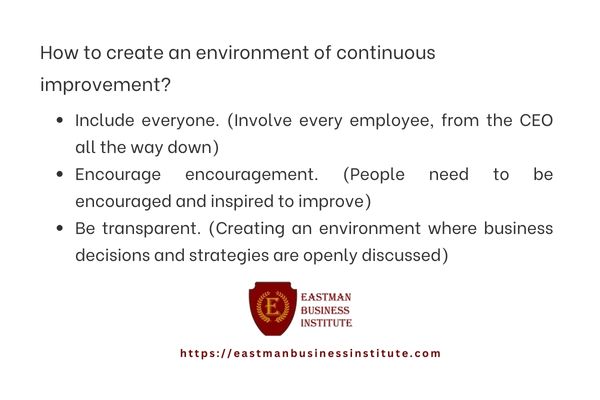
Let’s look into the secrets to maintaining momentum for continuous improvement and learn how we can make every twist and turn a step toward success.
More Things To Know About Maintaining Momentum for Continuous Improvement

Understanding Continuous Improvement
Understanding continuous improvement involves constantly seeking ways to improve processes and systems for better efficiency and effectiveness. Continuous improvement refers to the ongoing effort to make small, incremental improvements in all aspects of an organization. It isn’t a one-time project but a long-term commitment to creating a culture of continuous improvement.
By embracing this improvement process, companies can adapt to changes, identify inefficiencies, and drive innovation. Establishing a culture of continuous improvement fosters employee engagement, increases morale, and enhances overall productivity. It’s necessary for businesses to prioritize continuous improvement to stay competitive in today’s dynamic market environment.
Embracing this mindset will lead to sustained growth and success for your organization.
Principles of Continuous Improvement
To grasp the essence of continuous improvement, you must look into the foundational principles that drive this transformative process. Continuous improvement revolves around the idea of consistently enhancing processes to achieve better outcomes.
One key principle is the focus on improvement initiatives that target specific areas for enhancement. This approach guarantees that efforts are concentrated on making meaningful progress.
Another vital principle is the incorporation of lean management techniques, which aim to streamline operations and eliminate waste. By integrating lean practices into improvement processes, organizations can optimize efficiency and productivity.
Embracing these principles not only guarantees a culture of continuous improvement but also propels organizations towards ongoing success and sustainable growth. Remember, the principles of continuous improvement serve as the guiding light for driving positive change within your organization.
The Role of Leadership in Continuous Improvement
You play an important role in continuous improvement by setting clear vision and goals for your team. Leading by example is key, as your actions will inspire others to accept change and aim for excellence.
Remember to recognize and reward the efforts of your team members, fostering a culture where improvement is celebrated and encouraged.
Setting the Vision and Goals
In driving continuous improvement, leadership plays a pivotal role in establishing the vision and goals for the organization. Setting the vision and goals involves senior leaders defining clear objectives that align with the company’s mission.
These improvement strategies need to be communicated effectively to make sure everyone understands the direction in which the organization is heading. It’s necessary for leaders to involve employees in the process, fostering a sense of ownership and commitment to the goals set.
Leading by Example
Leading by setting a clear example, senior leaders drive the culture of continuous improvement within the organization. By actively participating in improvement initiatives and demonstrating a commitment to the process, leaders show the importance of continuous learning and adaptation.
Engaging employees in these efforts fosters a sense of ownership and accountability among the team. When leaders lead by example, employees are more likely to endeavor for excellence. Encouraging active participation from all levels of the organization creates a collaborative environment where everyone feels valued and empowered to contribute to the continuous improvement journey.
Through leading by example, senior leaders pave the way for a successful and sustainable culture of continuous improvement.
Encouraging and Rewarding Improvement Efforts
To cultivate a culture of continuous improvement, leaders must emphasize the importance of encouraging and rewarding improvement efforts within the organization. Recognizing and rewarding employees for their contributions towards continuous improvement fosters a sense of accomplishment and motivates them to remain engaged in the process.
When leaders actively acknowledge and appreciate the efforts of their team members in driving continuous improvement initiatives, it creates a positive feedback loop that encourages employees to continue seeking ways to improve processes and outcomes.
Building a Culture of Continuous Improvement
To build a culture of continuous improvement, you must foster a supportive environment that encourages innovation and learning. Implement strategies that promote ongoing growth and development within your organization.
Communication plays an important role in shaping and reinforcing a culture that thrives on continuous improvement.
Importance of a Supportive Culture
Building a culture of continuous improvement requires a supportive environment where all team members feel empowered to contribute their ideas and aim for excellence.
In such a culture of continuous improvement, the importance of a supportive atmosphere can’t be overemphasized. This supportive culture is vital for maintaining momentum in improvement efforts and ensuring the success of continuous improvement initiatives.
When team members feel supported, valued, and encouraged to innovate, they’re more likely to actively participate in improvement projects. A supportive culture fosters open communication, collaboration, and a sense of shared responsibility among team members.
It creates a positive work environment where individuals feel motivated to engage in continuous learning and development, driving the organization towards greater success in its improvement endeavors.
Strategies for Cultivating a Culture of Continuous Improvement
Cultivating a culture of continuous improvement within your organization requires deliberate and strategic actions to nurture a mindset of progress and excellence among team members. To establish this culture, it’s important to set clear goals aligned with the principles of continuous improvement.
Encourage open communication channels where ideas for improvement can be shared freely. Providing regular training on problem-solving techniques and quality methodologies can empower employees to drive positive change. Recognize and celebrate small wins to maintain momentum and motivation.
Foster a supportive environment where learning from failures is seen as an opportunity for growth. By embedding these strategies into the fabric of your organization, you can create a culture that thrives on continuous improvement.
Role of Communication in Building a Culture of Continuous Improvement
Encourage open and transparent communication channels within your organization to foster a culture of continuous improvement. Effective communication plays a vital role in building a culture where continuous improvement thrives.
Here are five key practices to improve communication and support this culture:
- Regular Feedback Loops: Establish mechanisms for employees to provide and receive feedback on improvement initiatives.
- Cross-Department Collaboration: Encourage teams from different departments to communicate and share best practices.
- Clear Goal Communication: Make sure that improvement goals are clearly communicated at all levels of the organization.
- Celebrate Successes: Recognize and celebrate achievements resulting from continuous improvement efforts to motivate further engagement.
- Training and Development: Provide communication training to employees to improve their skills in sharing ideas and feedback effectively.
Tools and Techniques for Continuous Improvement
You can utilize different tools and techniques to drive continuous improvement in your organization. Lean and Six Sigma methodologies can help streamline processes and reduce waste.
Implementing the PDCA Cycle, Kaizen events, and benchmarking practices can further improve your improvement initiatives.
Lean and Six Sigma
To improve operational efficiency and minimize defects, Lean manufacturing and Six Sigma methodologies provide a structured approach for continuous improvement. Lean manufacturing focuses on eliminating waste and optimizing processes to increase value for customers.
Six Sigma aims at reducing variation and enhancing quality by employing statistical tools and data-driven decision-making. By integrating these two approaches, organizations can streamline operations, improve product quality, and increase overall performance.
Continuous improvement process involves identifying areas for enhancement, implementing changes, measuring results, and making further adjustments. Examples of continuous improvement include reducing production lead times, enhancing product design to meet customer needs more effectively, and improving supply chain processes to minimize delays and errors.
PDCA (Plan-Do-Check-Act) Cycle
Implementing the PDCA (Plan-Do-Check-Act) Cycle is necessary for driving continuous improvement initiatives effectively within an organization.
This cycle involves planning a change (Plan), implementing it on a small scale (Do), checking the results (Check), and acting on the findings (Act).
By following this process, you guarantee that changes are well-thought-out, tested, evaluated, and adjusted as needed.
The PDCA cycle helps in identifying the root cause of issues, implementing corrective actions, and monitoring their impact.
It creates a structured approach to problem-solving and decision-making, fostering a culture of continuous improvement.
Kaizen
Utilizing different tools and techniques, Kaizen drives continuous improvement by emphasizing incremental changes and employee involvement in problem-solving processes.
Kaizen, a Japanese term meaning ‘change for the better,’ focuses on continuous improvement through small, manageable steps. This approach to process improvement encourages employees at all levels to identify opportunities to eliminate waste and improve efficiency.
By fostering a culture of kaizen within an organization, constant progress becomes the norm rather than the exception. Through the implementation of kaizen principles, teams can streamline operations, increase productivity, and deliver higher quality outcomes.
Embracing kaizen not only leads to immediate enhancements but also cultivates a mindset of continuous learning and improvement.
Benchmarking
Benchmarking is a strategic tool used to compare performance metrics with industry best practices, driving continuous improvement initiatives. By focusing on continuous improvement in business, benchmarking allows organizations to identify areas for enhancement and set realistic improvement goals. Below is a table showcasing different types of benchmarking techniques that can be utilized to streamline processes and increase overall performance:
| Benchmarking Technique | Description |
|---|---|
| Internal Benchmarking | Comparing performance metrics within different departments of the same organization. |
| Competitive Benchmarking | Analyzing performance metrics against direct competitors in the industry. |
| Functional Benchmarking | Evaluating specific processes or functions within the organization. |
| Strategic Benchmarking | Comparing long-term strategies and goals with industry leaders. |
| Process Benchmarking | Focusing on specific processes to improve efficiency and effectiveness. |
Utilizing these benchmarking techniques can provide valuable insights for driving continuous improvement initiatives within your organization.
Overcoming Challenges in Continuous Improvement
You may encounter challenges like resistance to change, a lack of resources, and the struggle to maintain momentum in your continuous improvement efforts.
Overcoming these obstacles requires strategic planning, effective communication, and a resilient attitude towards setbacks.
Resistance to Change
Resistance to change can pose significant challenges in the journey towards continuous improvement, requiring proactive strategies to overcome. To keep momentum in your improvement initiatives, it’s necessary to address resistance accordingly.
Start by fostering open communication channels to understand why resistance exists. Acknowledge concerns and involve employees in the change process to increase buy-in. Providing clear explanations about the benefits of the changes can help alleviate fears and uncertainties. Offer training and support to empower employees to adapt to new ways of working seamlessly.
Lack of Resources
Facing constraints in resources can hinder the progress of continuous improvement efforts, necessitating innovative solutions to optimize efficiency and effectiveness. When lacking resources, such as time, funding, or personnel, challenges arise in sustaining momentum for improvement initiatives.
To overcome this hurdle, prioritizing tasks based on impact and feasibility is important. Utilizing existing resources efficiently and seeking creative alternatives can help in achieving successful outcomes. Collaborating with team members to brainstorm cost-effective strategies and leveraging technology to streamline processes are effective ways to address resource limitations.
Embracing a mindset of doing more with less and continuously evaluating resource allocation are necessary practices for overcoming the challenges posed by resource constraints in the journey towards continuous improvement.
Maintaining Momentum
When confronted with obstacles in the journey of continuous improvement, perseverance and adaptability become vital in maintaining momentum.
It’s important to accept feedback as a tool for growth, using it to identify areas for enhancement and fueling your progress.
By fostering a culture of learning within your team, you create an environment where challenges are seen as opportunities for development rather than setbacks.
Encourage open communication and transparency to address issues promptly and keep the momentum going.
Keep in mind that continuous improvement is a dynamic process, requiring constant adjustment and innovation.
Stay committed to the journey, stay agile in your approach, and watch as your momentum propels you towards success in your quest for improvement.
Strategies for Maintaining Momentum in Continuous Improvement
To keep the momentum going in your continuous improvement efforts, make sure to regularly review and evaluate your progress. Celebrate successes and learn from failures to keep your team motivated and focused on improvement.
Continuous training, development, and ensuring employee engagement are vital for sustaining the momentum of your improvement initiatives.
Regular Review and Evaluation of Improvement Efforts
For maintaining momentum in continuous improvement, it’s necessary to regularly review and evaluate the efforts made towards enhancements.
Conducting a regular review allows you to assess the progress of your improvement efforts, identify areas that require further attention, and make necessary adjustments to guarantee continuous growth.
Evaluation of improvement efforts helps in determining the effectiveness of implemented strategies, highlighting successful initiatives, and pinpointing areas for refinement.
By consistently monitoring and evaluating your improvement endeavors, you can stay on track towards achieving your goals in the area of continuous improvement.
Celebrating Successes and Learning from Failures
Recognizing achievements and extracting valuable lessons from setbacks are vital to sustaining progress in continuous improvement efforts. Celebrating success increases morale, reinforces positive behaviors, and motivates teams to continue their hard work. By acknowledging and rewarding accomplishments, you create a culture of appreciation and excellence within your organization.
Learning from failures is vital. Mistakes provide valuable insights that can lead to significant improvements in processes and outcomes. Encourage open discussions about failures, analyze what went wrong, and implement corrective measures to prevent similar issues in the future.
Embracing both success and failure as learning opportunities propels your continuous improvement journey forward, fostering a resilient and adaptable environment for ongoing growth.
Continuous Training and Development
Engaging in continuous training and development is key to sustaining the momentum of continuous improvement efforts within your organization. Continuous learning allows employees to stay updated on industry trends and best practices, enhancing their skills development.
By investing in training and development programs, you make certain that your team is equipped with the necessary knowledge and capabilities to drive ongoing improvement initiatives. Providing opportunities for professional growth not only increases employee morale but also fosters a culture of innovation and adaptability.
Encouraging ongoing development shows your commitment to supporting your staff in their career progression and empowers them to contribute more effectively to the organization’s success. Remember, training and development aren’t just one-time events but an ongoing process necessary for continuous improvement.
Ensuring Employee Engagement and Participation
To maintain momentum in continuous improvement efforts, ensuring active involvement and enthusiastic participation from every employee is vital. Engaged employees are more likely to contribute innovative ideas, collaborate effectively, and take ownership of the continuous improvement process.
Encourage participation by fostering a culture that values employee input and empowers them to make meaningful contributions. Provide opportunities for employees to engage in decision-making processes, offer feedback, and take on leadership roles within improvement initiatives.
Recognize and celebrate employee contributions to continuous improvement to reinforce their engagement and motivation. By prioritizing employee engagement and participation, organizations can harness the full potential of their employees and drive sustainable progress in their continuous improvement journey.
Frequently Asked Questions
How Can Companies Effectively Measure the ROI of Continuous Improvement Efforts?
To measure the ROI of continuous improvement efforts effectively, you need to track key metrics like cost savings, increased productivity, and customer satisfaction. Use data analysis tools and feedback to assess the impact accurately.
What Are Some Common Pitfalls to Avoid When Implementing Continuous Improvement Initiatives?
When implementing continuous improvement initiatives, avoid common pitfalls like poor communication, lack of employee involvement, setting unrealistic goals, ignoring data analysis, and resisting change. Stay vigilant, adapt quickly, and prioritize collaboration to succeed.
How Can Frontline Employees Be Effectively Engaged and Motivated to Participate in Continuous Improvement Projects?
To engage and motivate frontline employees for continuous improvement projects, recognize their expertise, involve them in decision-making, provide regular feedback, offer training opportunities, celebrate achievements, and create a culture that values their contributions.
What Are Some Innovative Ways to Sustain Momentum for Continuous Improvement Over the Long Term?
To sustain momentum for continuous improvement over the long term, you can implement regular feedback loops, celebrate small wins, offer training opportunities, encourage team collaboration, and recognize and reward employees’ contributions. Keep the focus on growth.
How Can Companies Ensure That Continuous Improvement Efforts Align With Overall Business Goals and Objectives?
You align continuous improvement efforts with business goals and objectives by regularly reviewing progress, seeking feedback from stakeholders, and adjusting strategies accordingly. Engage employees at all levels, communicate transparently, and celebrate achievements.