What is the 5S Methodology?

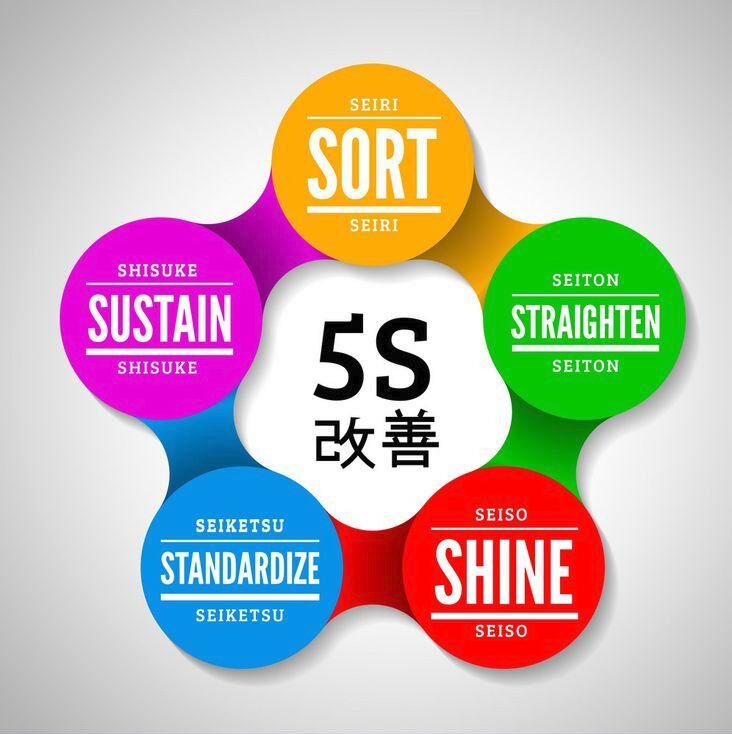
5S is a structured five-step methodology designed to create a more organized and productive workspace. In English, the steps are known as: Sort, Straighten, Shine, Standardize, and Sustain. This system serves as a foundation for implementing advanced lean production tools and processes.
The Philosophy Behind 5S
The essence of 5S can be summed up as: “a place for everything and everything in its place.” Unlike home organization system, which transforms cluttered homes into orderly spaces, 5S goes beyond tidying. It plays a pivotal role in achieving deeper, sustained improvements in manufacturing processes.

Origins of 5S
5S originated in Japan, with each “S” representing a Japanese word:
- Seiri
- Seiton
- Seisou
- Seiketsu
- Shitsuke
The 5S Translation and Meaning in English
- Sort (Seiri): Remove unnecessary items from the workspace.
- Straighten (Seiton): Arrange what remains in an organized manner.
- Shine (Seisou): Clean and inspect the area to ensure it is orderly.
- Standardize (Seiketsu): Develop and document consistent processes.
- Sustain (Shitsuke): Maintain and regularly review 5S practices to ensure they are followed.
At its core, 5S fosters discipline, efficiency, and continuous improvement by creating and sustaining effective workspaces.

Why is 5S Important in Manufacturing?
Although 5S originated in the automotive sector, it has since become a cornerstone of lean manufacturing across all industries. Embedding 5S into daily operations goes beyond improved organization—it encourages a culture of accountability, waste reduction, and environmental improvement.
Key Reasons 5S Matters:
- Reduces muda (waste) by streamlining workflows.
- Forms the foundation for Total Productive Maintenance (TPM).
- Supports the Toyota Production System (TPS).
- Serves as a launchpad for Kaizen (continuous improvement) activities.
In essence, 5S is a cost-effective yet impactful lean tool that empowers employees to take ownership of their workspaces. By fostering a culture of quality, productivity, and improvement, 5S drives significant operational benefits with minimal investment.
Here’s a more concise and polished version of the content:
The 5 Benefits of a 5S System
Implementing a 5S system offers the following key advantages:

- Space Optimization: Free up valuable space by removing unnecessary tools and equipment.
- Waste Reduction: Minimize unnecessary motion and increase efficiency by organizing the workspace.
- Improved Equipment Reliability: Maintain and inspect equipment regularly to reduce downtime and enhance quality.
- Operator Engagement: Empower employees by giving them responsibility for their workspace.
- Enhanced Safety: Foster a cleaner, more organized, and safer work environment.
With an understanding of its benefits, let’s explore each step of the 5S system.