

Have you ever wondered how organizations consistently improve their processes while reducing waste? Lean Sigma Training combines Lean principles with Six Sigma methods to create a powerful framework for efficiency and quality. By understanding these concepts, you can foster a culture that values continuous improvement. But what are the specific tools and techniques that can help you get started? Let's explore how this training can transform your approach to operational excellence.
Understanding Lean Principles

Lean principles focus on maximizing value while minimizing waste, creating a more efficient workflow.
You'll find that these principles emphasize understanding customer needs and delivering products or services that meet those needs effectively. By identifying and eliminating non-value-added activities, you enhance productivity and reduce costs.
As you dive deeper into lean concepts, you'll learn about the importance of continuous improvement and empowering employees to identify issues and suggest solutions.
You'll also discover tools like value stream mapping, which helps visualize processes and pinpoint areas for improvement. Additionally, implementing DMAIC processes ensures a structured approach to problem-solving and process enhancement.
Embracing lean principles not only fosters a culture of efficiency but also leads to higher quality outcomes.
Ultimately, adopting these practices can significantly boost your organization's performance and customer satisfaction.
Exploring Six Sigma Concepts
While lean principles focus on eliminating waste, Six Sigma takes a different approach by concentrating on reducing variation and improving process quality.
You'll learn that Six Sigma uses a data-driven methodology to identify and eliminate defects in processes. By applying statistical tools, you can analyze processes, measure performance, and pinpoint areas for improvement.
The core of Six Sigma is its DMAIC framework—Define, Measure, Analyze, Improve, and Control—which guides you through each stage of the improvement process. This structured approach is essential for achieving operational excellence and sustainable growth in competitive environments.
As you delve into Six Sigma concepts, you'll understand the importance of measuring process capability and setting performance standards.
This structured approach not only enhances quality but also boosts customer satisfaction, making it a valuable asset in your organization's continuous improvement journey.
The Synergy of Lean and Six Sigma

When you combine Lean and Six Sigma, you create a powerful approach to process improvement that maximizes efficiency and quality. Lean focuses on eliminating waste and streamlining processes, while Six Sigma emphasizes reducing variation and enhancing consistency. Together, they form a comprehensive method that addresses both speed and reliability.
You'll find that Lean techniques simplify workflows, enabling faster decision-making and execution. Meanwhile, Six Sigma's data-driven strategies help you pinpoint root causes of defects and inefficiencies. This integration of methodologies fosters a culture of continuous improvement, allowing organizations to adapt and thrive in a competitive landscape.
This synergy allows you to not only enhance productivity but also deliver higher-quality products or services. By integrating these methodologies, you empower your organization to respond quickly to customer needs while maintaining rigorous standards.
Embracing this combined approach can significantly transform your operational effectiveness.
Key Benefits of Lean Sigma Training
Integrating Lean and Six Sigma into your training program offers a multitude of benefits that can elevate your organization's performance.
You'll enhance efficiency by streamlining processes and reducing waste, leading to significant cost savings. Your team will develop a data-driven mindset, enabling informed decision-making and promoting accountability.
Additionally, you'll foster a culture of continuous improvement, encouraging employees to identify issues and contribute solutions. This training also boosts team collaboration, breaking down silos and enhancing communication across departments.
Ultimately, you'll see improved customer satisfaction as you deliver higher quality products and services faster. By investing in Lean Sigma training, you're not just refining skills; you're transforming your organization into a more agile and competitive entity in the marketplace. Moreover, this training aligns with the principles of continuous improvement, ensuring that your organization consistently seeks operational excellence.
Core Tools and Techniques

Core tools and techniques are the backbone of Lean Sigma training, equipping your team with essential methodologies to drive process improvement.
You'll learn to use tools like Value Stream Mapping to identify waste and streamline processes. Root Cause Analysis helps you uncover the underlying causes of issues, ensuring solutions address the right problems.
Additionally, you'll explore Statistical Process Control to monitor process stability and performance. The 5 Whys technique encourages deep inquiry, pushing you to discover the true source of challenges.
By mastering these tools, your team can effectively implement Lean Sigma principles, enhance efficiency, and foster a culture of continuous improvement. This hands-on approach empowers you to tackle real-world challenges with confidence and expertise, while also understanding the importance of continuous improvement in achieving sustained success.
The Lean Sigma Training Process
The Lean Sigma training process consists of several key phases designed to ensure your team effectively grasps the concepts and tools necessary for success.
First, you'll engage in an introductory workshop that covers the basics of Lean and Six Sigma principles.
Next, your team will participate in hands-on activities that reinforce learning through practical application.
Following this, you'll dive into project-based training, where participants apply concepts to real problems within your organization.
Throughout the process, continuous feedback will help identify areas for improvement.
Finally, you'll assess the training's effectiveness with evaluations and follow-up sessions, ensuring your team not only understands but can also implement Lean Sigma strategies to drive efficiency and quality in your operations. This approach aligns with the DMAIC structured approach for data-driven, sustainable changes.
Real-World Applications and Case Studies

While many organizations have embraced Lean Sigma methodologies, real-world applications showcase the tangible benefits these principles can bring.
For instance, a manufacturing company reduced production time by 30% after implementing Lean techniques, streamlining processes and minimizing waste.
In healthcare, a hospital improved patient flow, cutting wait times by 25% through Sigma's data-driven approach.
Retailers have also seen success; one chain increased inventory turnover by 40% by applying Lean principles to optimize stock management.
These case studies illustrate how Lean Sigma not only enhances efficiency but also boosts customer satisfaction. Additionally, organizations have found that data-driven decision-making plays a crucial role in sustaining long-term improvements in performance.
Measuring Success With Lean Sigma
To effectively measure success with Lean Sigma, you need to establish clear metrics that align with your organization's goals.
Start by identifying key performance indicators (KPIs) that reflect efficiency, quality, and customer satisfaction. These metrics could include cycle time, defect rates, or customer feedback scores.
Regularly track these indicators to gauge progress and adapt your strategies as necessary. You should also involve your team in this process, encouraging their input on what metrics matter most to them.
Consistent evaluation of your metrics will help you pinpoint areas for improvement and celebrate successes. Additionally, effective communication is vital in shaping a culture of continuous improvement, fostering collaboration among team members as they work towards common goals.
Building a Culture of Continuous Improvement
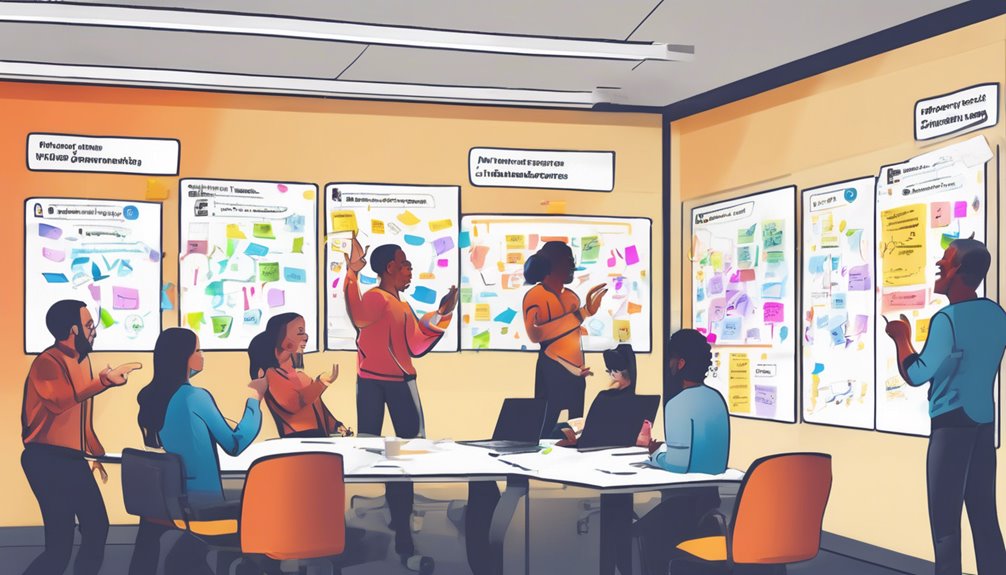
Creating a culture of continuous improvement hinges on fostering an environment where every team member feels empowered to contribute ideas and solutions. Encourage open communication, and let your team know their input is valued.
When you celebrate small wins and recognize contributions, it motivates everyone to stay engaged. Implement regular brainstorming sessions or feedback loops to keep ideas flowing and refine processes collectively.
It's crucial to provide training and resources that help your team develop skills related to Lean Sigma methodologies. With the right tools, they can identify inefficiencies and propose actionable solutions. Additionally, cultivating a culture of continuous improvement is essential for sustaining Lean Sigma initiatives within the organization.
Getting Started With Lean Sigma Training
How can you effectively kick off your Lean Sigma training journey? First, assess your current knowledge and identify specific areas for improvement.
Then, choose a reputable training program that aligns with your goals, whether it's online or in-person. Engage with experienced instructors and peers to enhance your learning experience.
Set aside dedicated time each week to study and practice Lean Sigma principles. Don't forget to apply what you learn in real-world situations; this hands-on approach will solidify your understanding.
Additionally, seek feedback and collaborate with your team to foster a culture of continuous improvement. Furthermore, consider incorporating Six Sigma principles into your training to deepen your understanding of process improvement methodologies.
Finally, stay committed and track your progress, celebrating small wins along the way. With determination, you'll master Lean Sigma and drive meaningful change.
Conclusion
In conclusion, Lean Sigma Training empowers you to transform your organization by streamlining processes and enhancing quality. By mastering the principles of Lean and Six Sigma, you can lead initiatives that reduce waste and defects, fostering a culture of continuous improvement. As you implement these strategies, you'll not only improve efficiency but also boost customer satisfaction. So, take the next step and embrace Lean Sigma training to drive meaningful change in your workplace.