

If you’re looking to enhance your team’s workflow, Lean Kanban might be the solution you need. This methodology helps you visualize tasks, limit work in progress, and foster a culture of continuous improvement. By adopting Lean Kanban, you can streamline processes and boost productivity. But how exactly do you implement these principles effectively in your organization? Let’s explore the key components and steps to make it work for you.
Lean Kanban helps teams visualize tasks, limit work in progress, and foster continuous improvement to boost productivity. Key components include a visual board, WIP limits, and a pull system, which enhance collaboration and efficiency.
Understanding Lean Kanban Principles
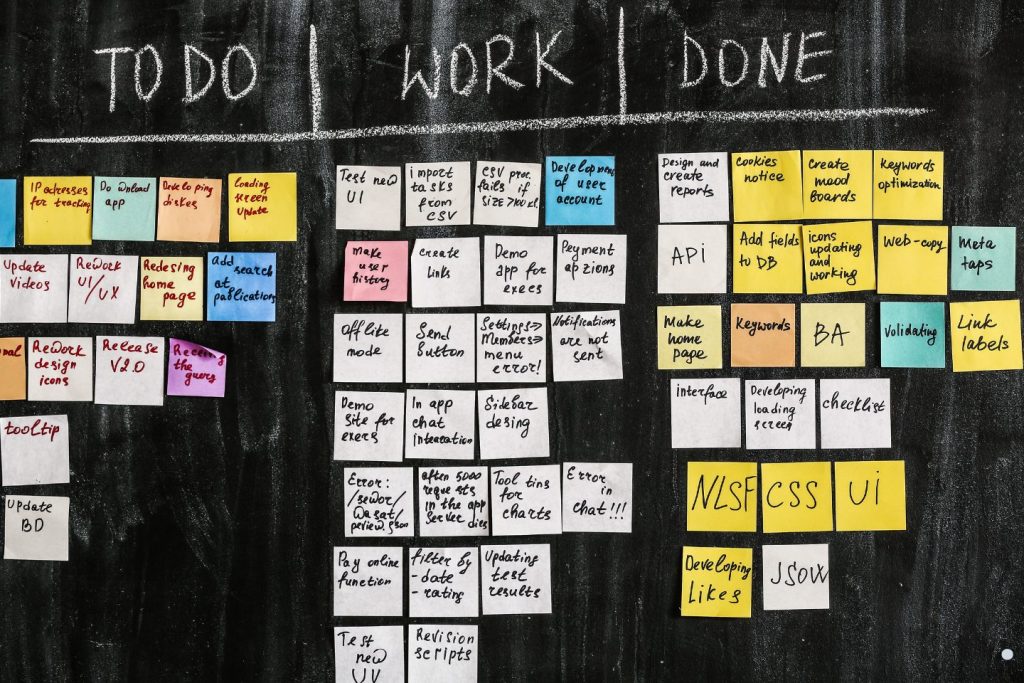
Lean Kanban principles focus on optimizing workflow and enhancing efficiency, so you can deliver value to your customers more effectively.
By visualizing your tasks on a Kanban board, you gain clarity on your workflow, helping you identify bottlenecks and prioritize work. You’ll learn to limit work in progress, which prevents overwhelm and encourages focus.
This approach fosters continuous improvement, allowing you to adapt processes based on real-time feedback. You’ll also embrace a pull system, where work is only initiated based on demand, ensuring resources are utilized efficiently.
As you implement these principles, you’ll cultivate a culture of collaboration and transparency, empowering your team to respond swiftly to changes and deliver high-quality results consistently.
Benefits of Implementing Lean Kanban
By embracing Kanban, you’ll unlock numerous benefits that can transform your workflow.
First, you’ll gain better visibility into your tasks, making it easier to track progress and identify bottlenecks. This clarity helps you prioritize effectively, ensuring that your team focuses on the most crucial tasks.
You’ll also experience enhanced collaboration, as team members can easily see what others are working on and coordinate efforts.
Additionally, implementing Lean Kanban promotes continuous improvement, encouraging you to regularly assess processes and make necessary adjustments.
As a result, you’ll boost overall efficiency and reduce waste, leading to faster project delivery.
Ultimately, these advantages won’t only enhance productivity but also improve team morale and satisfaction.
Key Components of a Lean Kanban System

A successful Lean Kanban system hinges on several key components that streamline workflow and enhance productivity.
First, you need a visual board that displays tasks and their statuses, making it easy to track progress.
Next, establish clear work-in-progress (WIP) limits to prevent bottlenecks and ensure smooth flow.
Prioritize tasks using a backlog, so you focus on what’s most important.
Regular stand-up meetings help your team stay aligned and address any issues promptly.
Additionally, you’ll benefit from continuous improvement practices, encouraging feedback and adjustments.
Finally, ensure everyone understands their roles and responsibilities, fostering collaboration and accountability.
Steps to Implement Lean Kanban in Your Organization
Implementing a Lean Kanban system in your organization can transform how your team manages tasks and workflows.
Start by mapping your current processes to identify bottlenecks and inefficiencies. Next, visualize your workflow by creating a Kanban board, using columns to represent different stages of work.
Establish work-in-progress limits to prevent overload and ensure steady progress. Encourage team collaboration by holding regular stand-up meetings to discuss progress and obstacles.
Continuously gather feedback to refine your process and make data-driven decisions. Finally, foster a culture of continuous improvement, where everyone feels empowered to suggest changes.
Real-World Examples of Lean Kanban Success

Numerous organizations have successfully adopted Lean Kanban to enhance their workflows and productivity.
For instance, a software development company reduced its lead time by 40% after implementing Kanban boards, allowing teams to visualize tasks and prioritize effectively.
Similarly, a manufacturing firm streamlined its production process, cutting waste and increasing output by 25%.
In another case, a healthcare provider improved patient flow and reduced wait times by applying Lean Kanban principles to manage appointments and resources.
These examples illustrate how Lean Kanban not only boosts efficiency but also fosters a culture of continuous improvement.
Conclusion
Incorporating Lean Kanban into your organization can transform your workflow and boost productivity. By visualizing tasks, limiting work in progress, and fostering continuous improvement, you’ll create a more efficient and collaborative environment. Embracing these principles not only enhances task visibility but also reduces waste, leading to higher team morale. So, take the plunge and implement Lean Kanban today to experience the positive impact it can have on your processes and outcomes.
Frequently Asked Questions
What is Lean Kanban?
Lean Kanban is a workflow management method that combines Lean principles with Kanban visual systems to improve efficiency, reduce waste, and optimize work processes. It uses visual boards, task limits, and continuous workflow monitoring to help teams manage projects more effectively.
How does a Kanban board work?
A Kanban board organizes tasks into workflow stages such as “To Do,” “In Progress,” and “Done.” Team members move tasks through each stage as work progresses, making it easier to identify bottlenecks, manage workloads, and improve productivity.
What are the benefits of using Lean Kanban?
Lean Kanban helps organizations improve workflow visibility, reduce delays, increase productivity, and limit unnecessary work in progress. It also supports better collaboration, faster delivery times, and continuous process improvement across teams and departments.
Which industries use Lean Kanban systems?
Lean Kanban is widely used in industries such as manufacturing, software development, healthcare, logistics, marketing, and project management. Its flexible workflow approach allows businesses in many sectors to improve operational efficiency and manage tasks more effectively.
How does Lean Kanban support continuous improvement?
Lean Kanban supports continuous improvement by helping teams visualize workflows, identify inefficiencies, and make incremental process adjustments over time. By limiting work in progress and monitoring task flow, organizations can improve quality, reduce waste, and respond more quickly to changing demands.