

If you're looking to optimize your inventory management, you might want to consider Kanban inventory. This visual system helps control material flow and keeps stock levels in check, ensuring you have what you need when demand shifts. Understanding its key principles can transform your operations, but implementing Kanban isn't without its challenges. Curious about how to set up a system that works for you? Let's explore the ins and outs of Kanban inventory.
What Is Kanban Inventory?

Kanban inventory is a visual management system designed to control and optimize the flow of materials and information in a production process.
It helps you visualize your work, making it easier to manage tasks and resources efficiently. By using cards or signals, you can track inventory levels and workflow in real-time.
This approach minimizes waste and ensures you have the right amount of materials on hand when you need them. You'll find it particularly useful in environments where demand fluctuates.
With Kanban, you can respond quickly to changes and maintain steady production without overstocking. Ultimately, it empowers you to streamline operations and enhance productivity, creating a more efficient working environment.
Key Principles of Kanban Systems
To effectively implement a Kanban system, you need to understand its key principles that guide its successful operation.
First, visualize your workflow by creating a Kanban board, making it easy to track tasks and progress.
Second, limit work in progress (WIP) to enhance focus on current tasks and reduce bottlenecks.
Third, manage flow by regularly assessing and adjusting processes to maintain efficiency.
Fourth, establish pull-based systems where new tasks are initiated only when capacity allows, preventing overloading.
Lastly, continuously improve by encouraging team feedback and adaptation.
Benefits of Implementing Kanban Inventory

Implementing a Kanban inventory system offers numerous advantages that can significantly enhance your operational efficiency.
You'll notice improved visibility of your inventory levels, allowing you to make informed decisions quickly. By reducing excess stock, you can cut costs and increase cash flow.
Kanban also fosters a culture of continuous improvement, encouraging your team to identify and eliminate inefficiencies. With better communication among team members, tasks become easier to manage.
You'll experience quicker response times to customer demands, enhancing satisfaction and loyalty. Plus, as you streamline processes, you'll find that your overall productivity can increase.
Ultimately, adopting a Kanban inventory system positions your business for sustained growth and success in today's competitive market.
How to Set Up a Kanban System
When setting up a Kanban system, you'll want to start by defining your workflow clearly. Identify the steps in your process and create a visual representation, like a Kanban board.
Next, determine the number of tasks in progress to avoid overloading your team. Set limits for work in progress (WIP) to maintain efficiency.
Then, establish your Kanban cards, which should represent individual tasks. Each card should include essential details, such as task descriptions and due dates.
Finally, regularly review and adjust your system based on performance metrics. Encourage team feedback to continuously improve your Kanban process.
Real-World Applications of Kanban Inventory
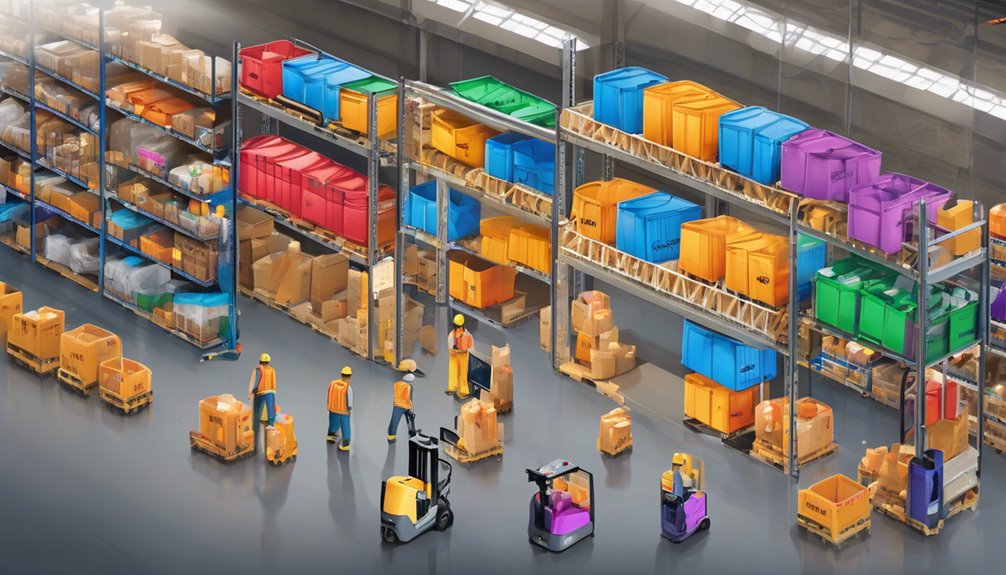
As businesses seek to streamline operations and improve efficiency, Kanban inventory systems have proven effective across various industries.
In manufacturing, you can manage production lines by visualizing workflow, ensuring you only produce what's needed. Retailers use Kanban to maintain optimal stock levels, reducing excess inventory and improving turnover rates.
In the tech sector, teams employ Kanban boards to track project tasks, enhancing collaboration and transparency. Even healthcare facilities implement Kanban systems to manage supplies and improve patient care by minimizing wait times.
Challenges and Considerations in Kanban Implementation
While Kanban systems offer numerous benefits, their implementation can come with challenges that require careful consideration. You might face resistance from team members who are accustomed to traditional methods. It's essential to communicate the advantages of Kanban clearly to gain buy-in.
Additionally, balancing workload can be tricky; if you don't manage it properly, bottlenecks may arise. You also need to ensure that you have the right tools and technology in place to support the system.
Training is another critical factor—if your team isn't well-prepared, the process can falter. Lastly, continuously monitoring and adjusting your Kanban system is crucial for success.
Embrace these considerations to make your implementation smoother and more effective.
Future Trends in Kanban Inventory Management

With the rapid evolution of technology and increased focus on efficiency, future trends in Kanban inventory management are set to transform how teams operate.
You'll see a rise in automation and AI integration, streamlining processes and minimizing human error. Real-time data analytics will enhance decision-making, allowing you to adapt quickly to market changes.
Mobile applications will facilitate remote collaboration, making it easier for your team to track inventory from anywhere. Additionally, sustainability will play a key role; expect to see more eco-friendly practices integrated into your Kanban systems.
As you embrace these trends, you'll not only boost productivity but also align with modern consumer expectations, positioning your organization for long-term success.
Conclusion
In conclusion, implementing a Kanban inventory system can significantly enhance your operational efficiency and responsiveness to customer demands. By visualizing your workflow and limiting work in progress, you can minimize waste and optimize inventory levels. While challenges may arise, the benefits of improved communication, continuous improvement, and increased productivity make it worth considering. Embrace Kanban to streamline your processes and stay ahead in today's fast-paced market.