
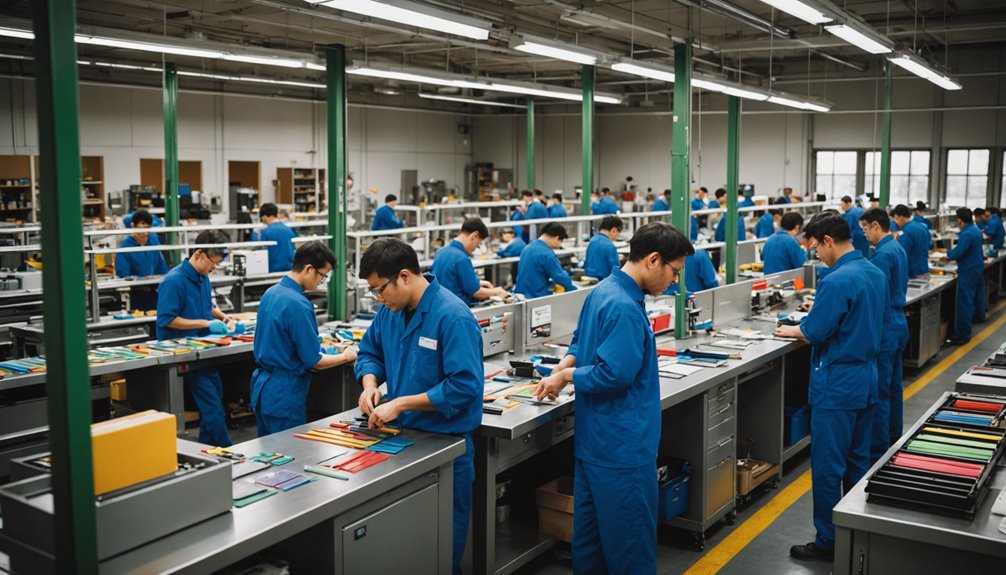
Heijunka is a lean manufacturing method that levels production schedules to improve efficiency, reduce waste, and better respond to customer demand.
Heijunka is an essential concept in lean manufacturing that can transform how you approach production. By leveling your production schedules, you can respond more effectively to customer demand while minimizing costs. This method not only streamlines operations but also alleviates employee stress during busy times. Curious about the key principles and steps to implement Heijunka in your business? Let's explore how you can achieve greater efficiency and customer satisfaction.
Understanding Heijunka: The Basics
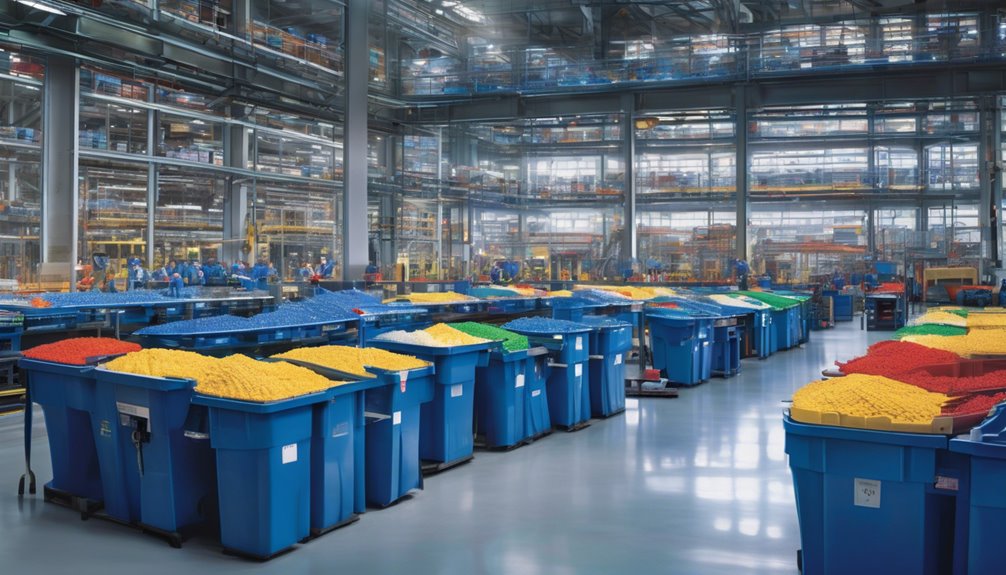
Heijunka, often referred to as production leveling, is a key concept in lean manufacturing that helps you balance production flow.
By smoothing out the production schedule, you can reduce waste and improve efficiency. Instead of cranking out large batches of one product, you'll focus on producing a mix of items in smaller quantities over a set period. This approach allows you to respond better to customer demand and minimize inventory costs.
Implementing Heijunka involves creating a visual schedule that clearly outlines production cycles. You'll also need to assess and adjust your resources to align with your new workflow.
Ultimately, understanding Heijunka equips you with the tools to streamline operations and enhance overall productivity in your manufacturing process.
The Importance of Leveling Production
Leveling production plays a pivotal role in optimizing your manufacturing process. By distributing work evenly across your production schedule, you can minimize fluctuations in demand and avoid bottlenecks.
This approach helps you maintain a steady workflow, allowing your team to operate more efficiently. When you level production, you also reduce the risk of overworking staff during peak times and underutilizing resources during slow periods.
It creates a more predictable environment, enabling better planning and resource allocation. Moreover, leveling production encourages collaboration among departments, fostering a culture of continuous improvement. Additionally, implementing Lean Manufacturing principles can significantly enhance your production leveling efforts.
Ultimately, by prioritizing this strategy, you can enhance product quality and customer satisfaction, making your operation more resilient and competitive in today's marketplace.
Benefits of Implementing Heijunka

When you implement Heijunka, you can significantly enhance your production efficiency and responsiveness to customer demand.
This leveling approach helps you smooth out variations in production, allowing for a more consistent workflow. By reducing waste and minimizing idle time, you'll see improvements in your overall operational costs.
Heijunka also enables you to better match your production to actual customer needs, leading to higher satisfaction and fewer backorders.
Additionally, you'll foster a more engaged workforce, as employees appreciate the predictability and stability that come from balanced workloads.
Ultimately, this method not only streamlines your processes but also positions your business for long-term success in a competitive market.
Embracing Heijunka can transform how you operate and serve your customers.
Key Principles of Heijunka
To fully harness the benefits of Heijunka, understanding its key principles is vital.
First, you'll want to focus on balancing production. This means spreading out the workload evenly over time, avoiding peaks and valleys.
Next, incorporate flexibility; you should be ready to adapt to changes in demand without disrupting your flow.
Another principle is standardization, where setting consistent processes helps maintain quality and efficiency.
You'll also need to emphasize continuous improvement—always look for ways to enhance your practices.
Lastly, engage your team; their insights can lead to better solutions and foster a culture of collaboration.
Steps to Implement Heijunka in Your Business
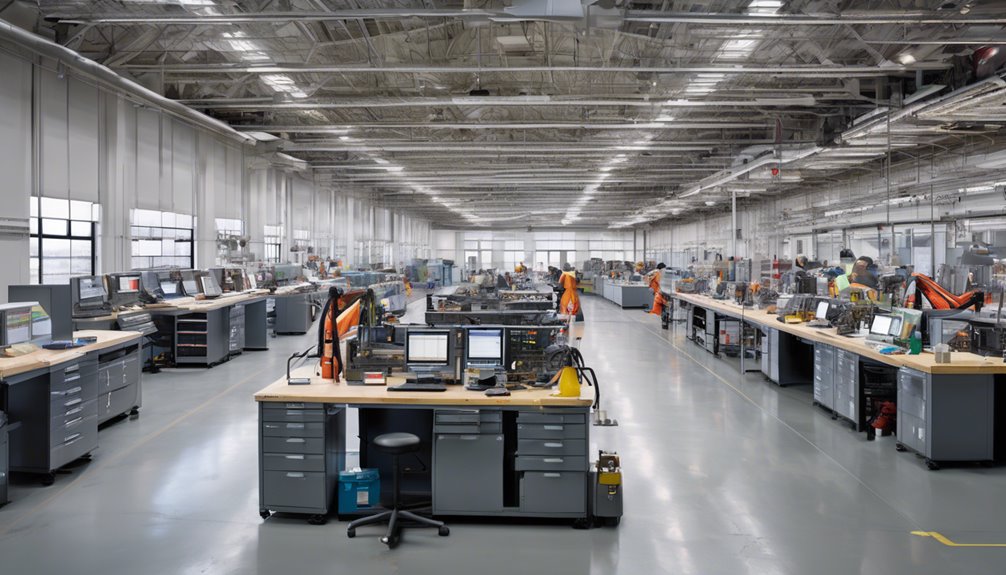
Implementing Heijunka in your business requires a structured approach that begins with assessing your current production processes. Identify fluctuations in demand and analyze your production capacity.
Next, create a balanced production schedule that smooths out these variations. You'll want to prioritize product families and develop a heijunka box to visualize your schedule.
Train your team on the principles of Heijunka, emphasizing the importance of flexibility and adaptability. Monitor performance metrics consistently to evaluate the effectiveness of your new system.
Make adjustments as needed to optimize flow and reduce waste. Lastly, encourage a culture of continuous improvement, where team members actively share insights and suggestions for enhancing the Heijunka process.
This will ensure lasting success in your operations.
Real-World Examples of Heijunka in Action
After setting up Heijunka in your business, it's beneficial to look at how other companies have successfully applied this approach.
Toyota is a prime example; they balance production to match customer demand, reducing waste and improving efficiency. By using a Heijunka box, they schedule work in a way that evens out production levels, preventing bottlenecks.
In the tech industry, Dell utilizes Heijunka by producing computers based on real-time orders, keeping inventory low and responsiveness high.
Similarly, Unilever has embraced Heijunka to streamline their supply chain, ensuring they meet diverse consumer needs without overproduction.
These examples show that implementing Heijunka can lead to smoother operations and a more agile response to market changes.
Conclusion
Incorporating Heijunka into your production process can transform your operations. By leveling your production and responding better to customer demand, you'll reduce waste and enhance efficiency. Embracing its principles not only streamlines workflows but also boosts employee morale and customer satisfaction. As you implement these strategies, you'll create a more predictable environment, ultimately leading to a stronger, more engaged workforce. Don't hesitate—start your Heijunka journey today and watch your business thrive!