

When you think about efficiency in your operations, have you considered the eight forms of waste? Each type—from overproduction to underutilized talent—can significantly impact your bottom line. By recognizing these inefficiencies, you can start making meaningful changes. But what steps can you take to identify and eliminate these wastes? Understanding the nuances of each form might just be the key to unlocking your organization's potential.
Overproduction

Although businesses often aim to maximize profits, overproduction can lead to significant waste. You might think producing more will boost your bottom line, but excess inventory can lead to higher storage costs and potential spoilage.
If you create more than what's needed, you're not only wasting resources but also tying up capital that could be used elsewhere. Instead, focus on understanding customer demand and aligning your production accordingly. By doing so, you'll minimize waste and enhance efficiency.
Implementing just-in-time strategies can help you produce only what you need, when you need it. This approach not only reduces waste but also improves cash flow and responsiveness to market changes. Additionally, adopting Lean Manufacturing principles can further streamline your processes and mitigate the risk of overproduction.
Waiting
After addressing overproduction, it's important to recognize another common form of waste: waiting. You often find yourself in situations where delays occur, whether it's waiting for materials, approvals, or information.
Each moment spent waiting doesn't just waste time; it also drains energy and motivation. You might feel frustrated, and that can lead to decreased productivity.
To minimize waiting, streamline processes and improve communication among team members. By identifying bottlenecks, you can take proactive steps to eliminate them. Encourage open dialogue to ensure everyone's on the same page. A successful Six Sigma culture emphasizes continuous improvement and proactive problem-solving to address such delays effectively.
Transport

Transport is another significant form of waste that can hinder efficiency in any operation. You mightn't realize it, but excessive movement of materials, products, or information can drain your resources.
When items are constantly shuffled around, time and effort are wasted, affecting productivity. You should aim to streamline logistics to minimize unnecessary transport. This means evaluating your layout, optimizing routes, and ensuring that everything's in close proximity when possible.
By cutting down on transport waste, you not only save time but also reduce costs and improve overall workflow. Remember, every step counts. Implementing lean principles can help create a more efficient environment where movement is purposeful and minimizes delays, allowing your team to concentrate on value-added activities.
Extra Processing
Moving on from transport waste, extra processing is another area that can stifle efficiency. You might find yourself adding unnecessary steps to your workflow, which can lead to wasted time and resources.
For instance, if you're reworking products or performing redundant tasks, you're not only increasing costs but also delaying delivery. Streamlining processes is key; focus on what truly adds value.
Consider whether each step in your operation is essential. By identifying and eliminating these extra steps, you can enhance productivity and reduce waste.
Regularly review your processes to ensure you're not overcomplicating tasks. Remember, simplicity often leads to better outcomes, so aim for clarity and efficiency in everything you do. Additionally, applying Lean Six Sigma principles can help guide your efforts in eliminating extra processing and enhancing overall efficiency.
Inventory
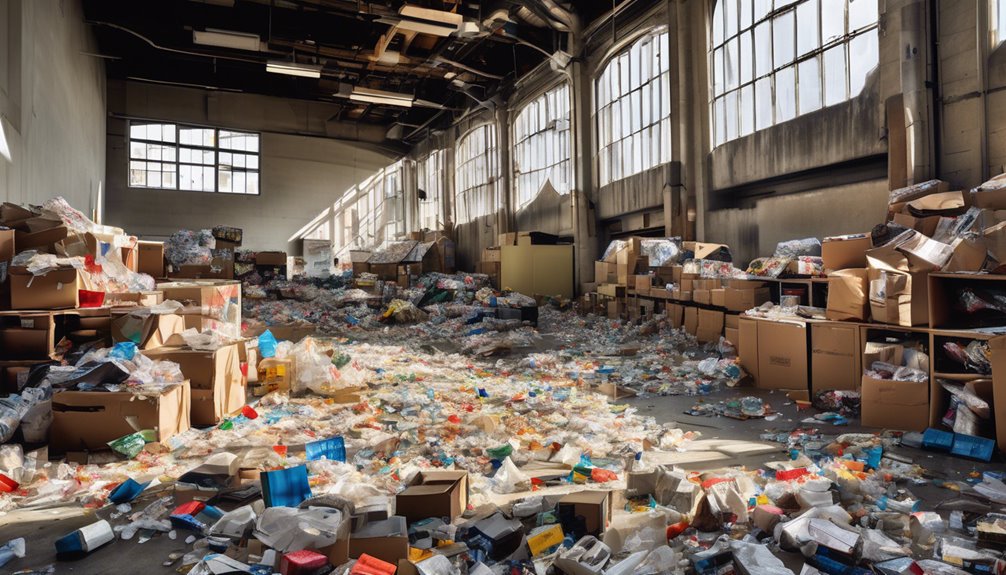
While managing inventory is crucial for any operation, excess stock can lead to significant waste. You've got to keep a close eye on what you have in storage.
When items sit unused for too long, they can become obsolete or spoil, resulting in lost money. By over-ordering, you tie up valuable resources that could be better spent elsewhere.
Striking the right balance is key; aim for just-in-time inventory to reduce holding costs and minimize waste. Regular audits will help you identify slow-moving items and adjust your purchasing strategies accordingly.
Motion
Eliminate unnecessary motion to boost efficiency in your operations. Every step you take impacts productivity.
Pay attention to how you and your team move around the workspace. Are you constantly reaching for tools or walking back and forth? These actions waste time and energy.
Streamline your layout to reduce travel distance; keep tools and materials within easy reach. Encourage your team to adopt a systematic approach, minimizing movements during tasks.
Analyze workflows and identify bottlenecks where excessive motion occurs. Implementing simple changes, like using carts or organizing workstations, can significantly cut down on wasted motion. Additionally, fostering a culture of continuous improvement encourages ongoing evaluations of processes to enhance efficiency.
Remember, less movement means more time for value-added activities, enhancing overall efficiency and improving your bottom line.
Focus on motion to create a smoother, more productive operation.
Defects

Even with streamlined operations, defects can still derail your efficiency. These errors can occur at any stage of production, leading to wasted resources and time.
When you produce a faulty product, you're not just losing materials; you're also risking customer satisfaction and brand reputation. It's crucial to identify the root causes of these defects early. Implementing control charts can help you monitor process variations and catch defects before they escalate.
Implement quality checks and foster a culture of continuous improvement among your team. By addressing defects proactively, you can minimize their impact and enhance overall productivity.
Underutilized Talent
Harnessing talent effectively is essential for any organization striving for excellence. When you allow employees to work beneath their skill levels, you waste valuable resources. Underutilized talent not only leads to disengagement but also stagnates innovation and growth. You might be overlooking unique skills and perspectives that could drive your organization forward.
To combat this, regularly assess your team's strengths and interests. Encourage open communication, where employees feel safe sharing their aspirations. Invest in professional development opportunities to help them grow. Fostering employee engagement is crucial for unlocking the full potential of your workforce.
When you optimize talent, you enhance productivity and morale, fostering a culture of engagement. Remember, every individual has something to contribute; it's your job to unlock that potential and leverage it for collective success.
Conclusion
By recognizing and tackling the 8 forms of waste, you can significantly boost your organization's efficiency and productivity. Focus on eliminating overproduction, reducing waiting times, and streamlining transport. Address extra processing, manage inventory wisely, and minimize motion. Don't forget to correct defects and tap into your team's talents. By doing so, you'll not only enhance operations but also foster a more engaged workforce, paving the way for continuous improvement and greater profitability.