

When tackling complex problems, the 8D methodology offers a structured approach that can streamline your efforts. It starts with assembling a skilled team and clearly defining the issue at hand. From there, you contain the problem and analyze its root causes. This process not only resolves immediate concerns but also fosters a culture of improvement. Curious about how these steps can transform your problem-solving strategy? Let's explore further.
Understanding the 8D Methodology

The 8D methodology is a powerful problem-solving tool that helps teams tackle complex issues effectively. This structured approach encourages collaboration and promotes a culture of continuous improvement.
By breaking down problems into manageable steps, you can identify root causes and develop sustainable solutions. You'll find that involving cross-functional teams is essential, as diverse perspectives often lead to more insightful analysis.
The focus on data-driven decision-making ensures that your solutions are based on evidence, not just assumptions. As you progress through the 8D process, you'll enhance your team's problem-solving skills and build stronger relationships.
Embracing this methodology can lead to significant improvements in product quality, customer satisfaction, and overall operational efficiency. So, get ready to dive in and make a real impact!
The Eight Disciplines Explained
Understanding the 8D methodology sets the stage for effectively applying its eight disciplines.
The first discipline involves forming a team with the right skills to tackle the problem. Next, you define the problem clearly, ensuring everyone understands its scope.
The third discipline focuses on containing the issue to prevent further impact. Then, you'll analyze the root cause, digging deep to identify what truly went wrong.
Following that, you develop and implement corrective actions to address the root cause. The sixth discipline is all about verifying the effectiveness of those actions.
Once confirmed, you'll standardize the solutions to prevent recurrence. Finally, you'll celebrate the team's success and reflect on lessons learned to foster continuous improvement. Additionally, employing tools like data-driven analysis can significantly enhance the effectiveness of the 8D process.
Benefits of Implementing 8D Steps
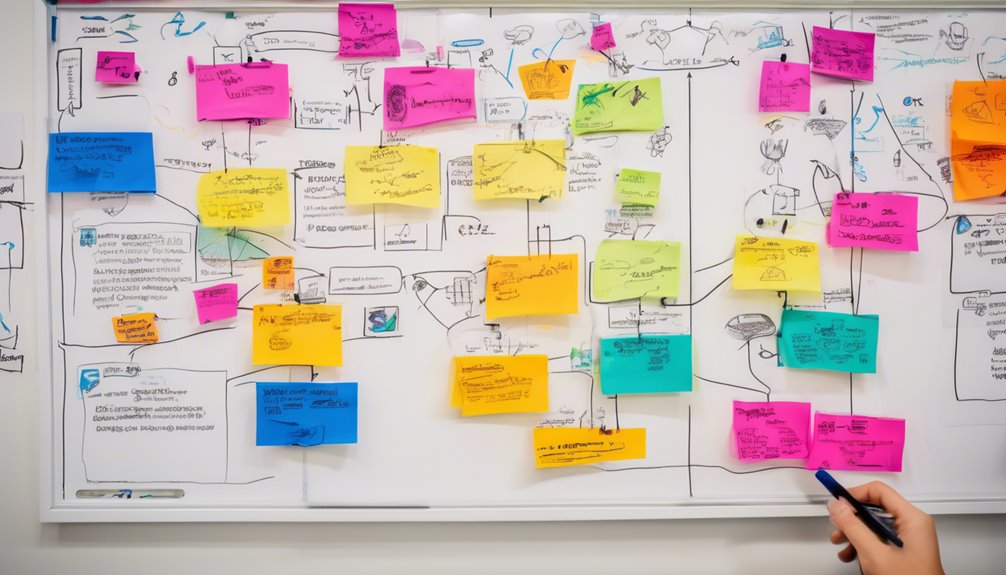
Implementing the 8D steps can significantly enhance your organization's problem-solving capabilities. By following this structured approach, you'll identify root causes more effectively, ensuring that issues don't just reoccur.
You'll foster a culture of teamwork, as the process encourages collaboration among cross-functional teams. This not only builds stronger relationships but also improves communication skills.
Additionally, the 8D process emphasizes preventive measures, which can help you reduce costs associated with defects and customer complaints.
You'll also see improvements in customer satisfaction, as resolving problems swiftly and efficiently leads to better service.
Ultimately, adopting the 8D steps equips your team with the tools to tackle challenges proactively, driving continuous improvement throughout your organization.
Step-by-Step Guide to the 8D Process
While navigating the 8D process may seem daunting at first, breaking it down into clear, manageable steps can simplify your problem-solving efforts.
Start with D1: identify the problem, ensuring you articulate it clearly.
Next, in D2, form a team with diverse skills to tackle the issue effectively.
D3 involves containing the problem to prevent further impact.
In D4, perform a root cause analysis to uncover the underlying causes.
Once you identify the root, D5 focuses on developing corrective actions.
Implement these actions in D6, making sure to monitor their effectiveness.
D7 requires you to take preventive measures to avoid recurrence.
Finally, in D8, recognize your team's efforts and document the process for future reference.
Common Challenges and Solutions

As you dive into the 8D process, you might encounter several common challenges that can hinder your progress. One frequent issue is lack of team engagement; without everyone on board, solutions may falter. To tackle this, foster open communication and ensure all voices are heard.
Another challenge is defining the root cause accurately. If you rush this step, you'll likely address symptoms instead of the actual problem. Take time to analyze data thoroughly and use tools like the "5 Whys" to dig deeper.
Additionally, managing timelines can be tough. It's essential to set realistic deadlines and monitor progress consistently. Implement regular check-ins to keep the team accountable and focused. Furthermore, emphasizing a culture of continuous improvement can help maintain motivation and drive collective efforts toward resolving challenges effectively.
Real-World Applications of 8D Steps
When you apply the 8D steps in real-world scenarios, you'll find they can significantly enhance problem-solving across various industries.
For instance, in manufacturing, using these steps helps identify defects and implement corrective actions, leading to improved product quality.
In healthcare, the 8D process can streamline patient care by addressing operational inefficiencies.
Similarly, in software development, it aids in debugging and refining processes, ensuring a better user experience.
You'll also see its effectiveness in customer service, where addressing complaints systematically can boost satisfaction.
Conclusion
Incorporating the 8D process into your problem-solving toolkit can significantly enhance your team's effectiveness. By following the structured steps, you not only tackle issues systematically but also foster a culture of continuous improvement. Remember, each discipline plays a vital role in understanding and resolving problems efficiently. Embrace the 8D methodology, and you'll see your team's collaboration and innovation thrive, leading to lasting solutions and a more resilient organization.