
Creating a compelling and effective business case presentation is necessary for gaining support and approval from internal stakeholders. In this article, we’ll look into the key aspects of constructing a strong business case presentation that will help you define your project, report progress, and highlight critical elements.
Read more about Constructing a Strong Business Case Presentation
We’ll also discuss how to identify business requirements, choose the right delivery mode, and determine the necessary resources. By understanding these components, you’ll be well-equipped to present a persuasive and successful business case that meets your organization’s needs.
More Things To Know About Constructing a Strong Business Case Presentation

Understanding the Importance of a Business Case Presentation
Crafting a compelling business case presentation is necessary for showcasing the viability and potential success of your proposed project or initiative. This presentation serves as a detailed document outlining the rationale, benefits, costs, and risks associated with the project. It’s a tool used to persuade project sponsors and key stakeholders to approve the initiative by demonstrating its alignment with the organization’s goals and strategies.
The business case presentation provides a structured approach to presenting information, including the expected outcomes, timeline, resource requirements, and expected return on investment. By clearly defining the purpose, scope, and objectives of the project, the presentation helps in gaining support and buy-in from decision-makers, ultimately increasing the likelihood of project approval and successful implementation.
The Role of a Business Case Presentation in Decision Making
Understanding the importance of a business case presentation is vital for decision-making processes within organizations.
A well-crafted business case presentation serves as a strategic tool to communicate key information and data to decision makers. It provides a structured framework that outlines the rationale behind a proposed project or initiative, detailing the expected benefits, costs, risks, and potential outcomes.
Decision makers rely on these presentations to evaluate the feasibility and value of a particular course of action, aiding them in making informed decisions that align with the organization’s goals and objectives. By presenting a compelling business case, you can effectively demonstrate the potential impact of your proposal, influencing decision makers to support and approve the initiative.
Key Elements of a Business Case Presentation
When creating your business case presentation, remember to include key elements such as:
- The executive summary
- Problem statement and analysis
- Proposed solutions and alternatives
- Cost and benefit analysis
- An implementation plan
These components are important in showcasing a thorough understanding of the project and its potential impact on the business. Ensuring each element is well-defined and supported will strengthen your case and increase the chances of securing buy-in from stakeholders.
Executive Summary
To create a compelling executive summary in your business case presentation, focus on highlighting the most critical aspects succinctly. The executive summary serves as a snapshot of your entire presentation, providing key decision-makers with a quick overview of the business case.
It should include a brief description of the project or proposal, the anticipated benefits, cost implications, and potential risks. Keep it concise yet informative to grab the attention of your audience right from the start. Emphasize the value proposition and unique selling points of your proposal.
Problem Statement and Analysis
Highlighting the core problem and conducting a thorough analysis are pivotal in crafting a compelling business case presentation.
Begin by clearly defining the business problem you aim to address. The problem statement should outline the issue at hand, its impact on the organization, and the urgency of finding a solution.
Conducting a detailed analysis involves delving into the root causes of the problem, gathering relevant data, and considering all factors contributing to the issue. By thoroughly analyzing the situation, you can present a well-rounded view of the problem and its implications.
This step is necessary in gaining support for your proposed solution and demonstrating the value of taking action to address the identified business problem.
Proposed Solution and Alternatives
In crafting your business case presentation, the pivotal step is outlining the proposed solution and exploring alternative options. When presenting proposed solutions, clearly articulate how they address the identified problem. Describe the benefits these solutions bring to the organization and stakeholders.
It’s vital to discuss alternative solutions that were examined but not chosen as the primary proposal. Explain the reasons behind rejecting these alternatives and why the proposed solution is the most suitable. By comparing and contrasting the proposed solution with alternative options, you demonstrate a thorough analysis and decision-making process.
This comprehensive approach strengthens your business case presentation and showcases your ability to analyze different perspectives before reaching a conclusion.
Cost and Benefit Analysis
When conducting a cost and benefit analysis in your business case presentation, make sure that you clearly outline the financial implications of the proposed solution and the anticipated returns for the organization and stakeholders. Utilizing business case templates can assist in structuring this analysis effectively. Below is a simple table illustrating the key elements of cost and benefit analysis:
| Costs | Benefits |
|---|---|
| Implementation | Increased efficiency |
| Training | Cost savings |
| Maintenance | Revenue generation |
Clearly outlining the costs and benefits using a structured approach can help stakeholders understand the financial impact of the proposed solution, aiding in decision-making processes.
Implementation Plan
To effectively present your business case, guarantee the Implementation Plan section outlines the step-by-step actions required for successful execution. The Implementation Plan is a vital component of your business case presentation as it details how the project will be carried out.
In this section, focus on project planning, including timelines, resource allocation, and task delegation. Clearly define the objectives and deliverables to make sure everyone involved understands their role in achieving project success. Break down the implementation process into manageable tasks, assigning responsibilities to specific team members.
Highlight key milestones and deadlines to track progress effectively. By emphasizing a well-thought-out Implementation Plan in your business case, you demonstrate a clear path towards project completion and success.
Risk Assessment and Mitigation Strategies
Crafting a robust business case presentation necessitates a keen focus on identifying and addressing potential risks through strategic risk assessment and mitigation strategies. Conducting a thorough risk assessment involves identifying possible threats that could hinder the success of your project or initiative.
Once risks are identified, it’s important to develop effective mitigation strategies to minimize their impact on the desired outcomes. Mitigation strategies may include creating contingency plans, allocating additional resources, or implementing specific actions to reduce the likelihood or severity of risks.
Steps to Construct a Business Case Presentation
When constructing a business case presentation, start by identifying the problem or opportunity clearly.
Conduct a thorough analysis to gather all necessary data and insights.
Then, propose a solution and evaluate the costs and benefits involved.
Identifying the Problem or Opportunity
Identifying the problem or opportunity is necessary in crafting a compelling business case presentation that resonates with stakeholders and drives decision-making.
When developing your business case, start by clearly defining the issue or the potential for improvement that your project aims to address. Be specific and concise in outlining the current challenges or untapped prospects within your organization.
By pinpointing the core problem or opportunity, you set the foundation for the rest of your presentation. This step helps stakeholders understand the significance of the proposed initiative and why it’s vital for the organization’s success.
Make sure to gather relevant data and insights to support your identification of the problem or opportunity, ensuring a solid rationale for your business case.
Conducting a Thorough Analysis
To effectively construct a business case presentation, begin by thoroughly analyzing the relevant data and insights to support your proposed initiative. Conduct a detailed business case analysis to understand the current situation, market trends, and potential risks.
Utilize financial analysis tools to evaluate the costs, benefits, and projected return on investment of your proposed solution. By delving deep into the data, you can identify key drivers that will strengthen your presentation and showcase the viability of your proposal.
Make certain that your analysis is precise and clearly demonstrates how your initiative aligns with the company’s strategic objectives. This thorough examination will provide a solid foundation for building a compelling business case presentation.
Proposing a Solution
After thoroughly analyzing the relevant data and conducting a detailed business case analysis, the next step in constructing a strong business case presentation is to propose a solution that aligns with the company’s strategic objectives.
When proposing a solution in your business case, make sure that it directly addresses the identified issues and opportunities outlined in the project proposal. Your solution should be clear, specific, and feasible, demonstrating how it will benefit the organization. Clearly articulate the expected outcomes and how they align with the company’s goals.
Highlight any potential risks or challenges associated with the proposed solution and provide strategies for mitigating them. By presenting a well-thought-out solution that’s backed by data and aligns with the company’s strategic objectives, you strengthen your business case presentation.
Evaluating the Costs and Benefits
When evaluating the costs and benefits for your business case presentation, make sure that you conduct a thorough analysis to determine the potential return on investment and the impact on the company’s financial performance.
To effectively evaluate the costs and benefits, consider the following:
- Cost Analysis: Calculate all expenses associated with the proposed solution, including implementation, training, and maintenance costs.
- Benefit Assessment: Identify the direct and indirect benefits that align with the business objectives, such as increased revenue, cost savings, or improved efficiency.
- ROI Calculation: Quantify the expected return on investment by comparing the total benefits to the total costs over a specific period, providing a clear picture of the potential financial gains for the company.
Developing an Implementation Plan
Outline a detailed plan for implementing your business case presentation, making sure a structured and effective approach to presenting your proposal.
Begin by creating a project plan that outlines key milestones, tasks, responsibilities, and timelines. Utilize project management techniques to make sure smooth execution and coordination of activities.
Identify resources needed for the presentation, such as technology, materials, and personnel. Develop a clear timeline for each stage of the project, including preparation, practice sessions, and the actual presentation.
Assign roles and responsibilities to team members to make sure accountability and efficiency. By creating a well-thought-out project plan, you’ll increase the chances of successfully delivering a compelling business case presentation.
Assessing Potential Risks and Mitigation Strategies
To guarantee the success of your business case presentation, it’s imperative to thoroughly assess potential risks and develop effective mitigation strategies. When analyzing risks, consider factors that could hinder the achievement of your business case objectives.
Identify risks related to budget constraints, market fluctuations, or technological challenges that may impact the project’s success. Once risks are identified, outline clear mitigation strategies to address each potential issue.
Mitigation strategies could involve creating contingency plans, allocating additional resources, or implementing proactive monitoring systems. By proactively addressing risks and developing robust mitigation strategies, you demonstrate a thorough understanding of the potential challenges that may arise.
This approach not only strengthens your business case but also highlights your ability to navigate uncertainties and increase the benefits of your proposal.
Tips for Delivering a Compelling Business Case Presentation
When delivering your business case presentation, remember to:
- Understand your audience
- Structure your content effectively
- Utilize visual aids and data visualization techniques for clarity
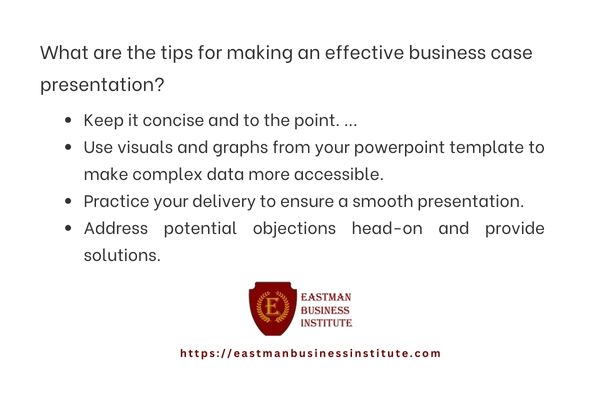
Practice your presentation skills beforehand to guarantee a confident delivery. Be prepared to handle questions and objections with poise and professionalism.
Understanding Your Audience
Understanding your audience is critical in delivering a compelling business case presentation. Tailoring your message to resonate with stakeholders is vital. Utilize a business case presentation template to structure your content effectively. Guarantee your presentation aligns with project governance guidelines to demonstrate feasibility and accountability.
Research your audience’s background, priorities, and expectations. Highlight how your proposal addresses their concerns and benefits them directly. By acknowledging their perspective, you can build credibility and trust.
Incorporate relevant data and metrics to support your points and make a convincing argument. Engage your audience by addressing their interests and tackling potential questions proactively. Adapting your presentation to suit their needs will improve the impact of your business case.
Structuring Your Presentation Effectively
Tailoring your business case presentation structure is important for captivating your audience and effectively driving home key points.
Begin with a compelling introduction that clearly states the purpose of your presentation and outlines the key issues you’ll address.
Utilize a well-defined presentation template to organize your content logically, including sections for the problem statement, proposed solution, benefits, implementation plan, and budget.
Break down complex information into easily digestible segments to maintain audience engagement. Support your points with relevant data and examples to strengthen your arguments.
Guarantee a smooth flow between sections by using connections to guide your audience through the presentation.
End with a strong conclusion that summarizes the highlights and reinforces the importance of your business case.
Using Visual Aids and Data Visualization
To improve the impact of your business case presentation, incorporate visual aids and data visualization techniques strategically throughout your slides. Utilize graphs and charts to present statistical data clearly. Include images or diagrams to illustrate complex concepts in an easy-to-understand manner. Use color coding to emphasize key points and create visual interest.
Incorporating these visual aids won’t only make your presentation more engaging but will also help your audience grasp the information more effectively. When presenting business case studies, consider using before-and-after visuals to highlight the project’s success. Data visualization tools can further improve the audience’s understanding of complex data points, making your presentation more compelling and convincing.
Practicing Your Presentation Skills
To sharpen your presentation skills for delivering a compelling business case, focus on rehearsing your delivery with confidence and clarity. Practice your presentation multiple times to guarantee a smooth delivery.
Pay attention to your tone, body language, and pacing to maintain engagement. Refine your presentation design by using visual aids effectively and organizing content logically. Practice speaking clearly and confidently to convey your message persuasively.
Rehearse in front of a mirror or record yourself to identify areas for improvement. By practicing your presentation skills diligently, you’ll build confidence in delivering a strong business case.
Handling Questions and Objections
For a compelling business case presentation, address questions and objections confidently and succinctly to reinforce the strength of your proposal. When handling questions and objections during your presentation, remember to actively listen to the concerns raised.
Acknowledge the question or objection respectfully before providing a clear and concise response. Use relevant business case examples to illustrate your points and demonstrate the validity of your proposal. By doing so, you can showcase the thorough research and planning that went into your presentation.
Anticipate potential objections beforehand and prepare well-thought-out responses to showcase your preparedness and expertise. Engage with the audience by encouraging questions and fostering a collaborative discussion that further solidifies the credibility of your business case.
Common Mistakes to Avoid When Constructing a Business Case Presentation
When constructing a business case presentation, be wary of common mistakes like:
- Overlooking the importance of thorough analysis
- Neglecting risk assessment
- Ignoring audience needs
Failing to contemplate alternatives and having poor presentation skills can hinder the effectiveness of your case. Make sure you address these potential pitfalls to create a compelling and persuasive business case presentation.
Overlooking the Importance of a Thorough Analysis
Failing to conduct a thorough analysis can greatly weaken the foundation of your business case presentation. As a project manager, overlooking this critical step could lead to significant gaps in your proposal.
Without a detailed analysis of the market, competition, financial projections, and potential risks, your business case may lack the depth needed to persuade stakeholders. A thorough examination provides you with valuable insights to support your recommendations and demonstrate a clear understanding of the project’s feasibility.
Failing to Consider Alternatives
To improve the effectiveness of your business case presentation, make sure you look into and evaluate alternative solutions thoroughly. Failing to contemplate alternatives can weaken your business case by presenting a narrow view and limiting potential outcomes.
When constructing your business case, take the time to brainstorm different approaches to the problem at hand. By examining different options, you can showcase your critical thinking skills and demonstrate a thorough understanding of the situation.
Presenting multiple choices allows you to choose the most suitable solution that aligns with your objectives and increases the benefits for your stakeholders. Remember, a well-rounded business case examines a range of alternatives before making a final recommendation.
Neglecting Risk Assessment
Look into potential blind spots in your business case presentation by thoroughly addressing potential risks associated with your proposed solution. Neglecting risk assessment can substantially weaken your presentation.
Conducting a sensitivity analysis to evaluate how different variables may impact your project’s success is vital. Identify potential risks such as financial uncertainties, market fluctuations, or technological challenges.
By incorporating risk assessment into your business case, you demonstrate foresight and preparedness. Consider the probability and impact of each risk, providing a thorough view of the potential pitfalls.
Mitigate risks by developing contingency plans and outlining how you’ll address unforeseen challenges. By addressing risk assessment in your presentation, you showcase a well-rounded understanding of your project’s complexities and increase your credibility.
Poor Presentation Skills
Avoid underestimating the importance of strong presentation skills when constructing your business case. They play a vital role in effectively conveying your message and gaining support for your proposal.
Using PowerPoint for your business case presentation can be powerful, but poor presentation skills can hinder your message. Common mistakes to avoid include overcrowding slides with text, lack of visual appeal, reading directly from slides, and speaking too quickly or softly.
Make sure your presentation is clear, concise, and engaging to maintain the audience’s attention. Practice your delivery, maintain eye contact, and use confident body language to improve your presentation.
Ignoring the Needs and Concerns of the Audience
Don’t overlook the importance of addressing the needs and concerns of your audience when constructing your business case presentation. Tailoring your presentation to resonate with your audience is necessary for a successful outcome.
Failing to take into account the perspectives, interests, and potential questions of your audience can lead to a disconnect and hinder the effectiveness of your business case. Make sure to research your audience beforehand to understand their background, preferences, and expectations.
Tools and Resources for Constructing a Business Case Presentation
When crafting your business case presentation, consider utilizing software and online tools for creating engaging visual aids.
Look into books and online courses dedicated to enhancing your skills in business case presentation development.
Consulting services can also provide valuable insights and assistance in structuring a compelling business case.
Software and Online Tools for Creating Presentations
Utilize modern software and online tools to improve the effectiveness and visual appeal of your business case presentation. When creating your presentation, consider the following options to streamline your process:
- Utilize PowerPoint Templates: Save time and effort by using pre-designed PowerPoint templates tailored for business case presentations. These templates often include professional layouts and designs to help you convey your message effectively.
- Utilize Business Case Templates: Take advantage of business case templates included in software tools to structure your presentation logically. These templates provide frameworks for presenting key information such as problem statements, solutions, and financial analysis.
- Search Online Tools: Experiment with online presentation tools that offer interactive features, animations, and collaborative capabilities to engage your audience effectively.
Books and Online Courses on Business Case Presentation
improve your business case presentation skills by exploring recommended books and online courses focused on effective presentation strategies and techniques. When delving into the world of business cases and business plans, it’s important to equip yourself with the right knowledge and tools.
Consulting Services for Business Case Development
To develop a strong business case presentation, consider tapping into consulting services that specialize in business case development to access valuable tools and resources. Consulting services offer expertise in crafting compelling business cases tailored to your specific needs.
These professionals can assist in structuring your presentation, conducting in-depth market research, and analyzing financial data to strengthen your case. By leveraging consulting services for business cases, you can benefit from their experience in creating persuasive presentations that resonate with stakeholders.
Consultants can provide insights on industry best practices and help you articulate the value proposition of your project effectively. Collaborating with experts in consulting presentations can improve the credibility and impact of your business case, increasing the likelihood of achieving your objectives.
Frequently Asked Questions
How Can You Effectively Incorporate Storytelling Into a Business Case Presentation to Engage Stakeholders?
To engage stakeholders effectively, incorporate storytelling into your business case presentation. Connect data with real-life examples, emotions, and outcomes. Paint a vivid picture that resonates with your audience, making complex information more relatable and memorable.
What Are Some Strategies for Addressing Potential Objections or Skepticism From Decision-Makers During a Business Case Presentation?
When presenting your business case, anticipate objections and skepticism from decision-makers. Address concerns proactively, provide solid data and evidence to support your points, and remain confident in your presentation. Engage with decision-makers to understand and alleviate their doubts.
How Do You Determine the Appropriate Level of Detail to Include in a Business Case Presentation?
When determining the appropriate level of detail for a business case presentation, focus on key points relevant to your audience’s understanding. Tailor information to address their needs and concerns, ensuring a balance between depth and clarity.
What Are Some Best Practices for Incorporating Data and Analytics to Support the Arguments in a Business Case Presentation?
When building your business case presentation, utilize data and analytics to strengthen your arguments. Use relevant metrics, visualizations, and insights to support your points effectively. Make sure that the data you present is accurate and impactful.
How Can You Tailor a Business Case Presentation to Different Types of Audiences, Such as Executives, Investors, or Project Teams?
When tailoring a business case presentation for diverse audiences like executives, investors, or project teams, focus on highlighting relevant data, key benefits, and addressing specific concerns. Customize your message to resonate with each group’s priorities and interests.
| Glossary of Related Terms | |
|---|---|
| Related Term | Definition |
| Project Definition | A detailed description of the project’s scope, objectives, deliverables, and key stakeholders. |
| Progress Reporting | The process of regularly updating stakeholders on the status, progress, and any issues related to the project. |
| Resources Required | The materials, personnel, and financial resources necessary to complete the project. |
| Business Case PowerPoint Presentation | A visual presentation outlining the rationale, benefits, costs, and expected outcomes of a project to gain approval from stakeholders. |
| Project Proposal Focuses | The main areas or topics that a project proposal addresses, such as objectives, methodology, timeline, and budget. |