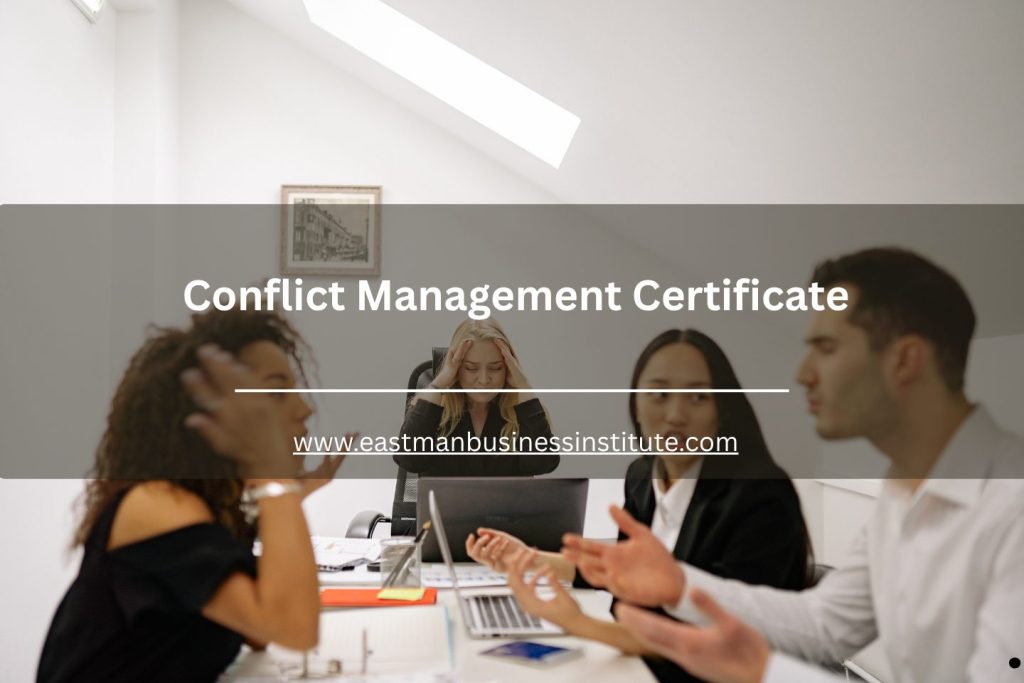

A Conflict Management Certificate builds communication techniques and confidence for handling disputes, setting candidates apart in their careers. It covers core principles like active listening and collaboration, providing skills that improve job opportunities and workplace harmony.
If you’re looking to enhance your conflict resolution skills, a Conflict Management Certificate might be just what you need. This certification not only improves your communication techniques but also builds your confidence in tackling disputes. Understanding the core principles and essential skills involved can set you apart in your career. Curious about how this certification can impact your professional journey? Let’s explore the key benefits and skills that come with it.
Understanding Conflict Management
While conflicts are a natural part of human interaction, understanding conflict management can significantly enhance your ability to navigate these challenges effectively.
You’ll find that conflict management involves recognizing the sources of disagreement and addressing them constructively. It’s about being proactive rather than reactive, which helps you maintain relationships while resolving issues.
You’ll learn to identify your conflict style and that of others, allowing for more effective communication. Practicing active listening and empathy can transform tense situations into opportunities for collaboration.

Key Benefits of Obtaining a Conflict Management Certificate
Why should you consider obtaining a Conflict Management Certificate? First and foremost, it equips you with essential skills to navigate disputes effectively, enhancing your professional toolkit.
You’ll learn techniques to facilitate communication and foster collaboration, making you a valuable asset in any workplace. This certification also boosts your confidence, empowering you to address conflicts head-on rather than avoiding them.
Additionally, having a Conflict Management Certificate sets you apart from peers, showcasing your commitment to personal and professional growth. Employers often seek individuals who can mediate and resolve issues, leading to better job opportunities and career advancement.
Ultimately, this certification can transform your approach to conflict, creating a more harmonious environment both personally and professionally.
Core Principles of Conflict Resolution
Understanding the core principles of conflict resolution is crucial for effectively managing disputes. First, you need to recognize that conflict is a natural part of human interactions. Embracing this reality helps you approach disagreements with a constructive mindset.
Next, focus on active listening; it’s essential to understand all perspectives involved. This builds trust and opens lines of communication. Then, aim for collaboration rather than competition. Working together fosters solutions that satisfy everyone’s needs.
Additionally, keep emotions in check—staying calm allows you to think clearly. Lastly, be willing to compromise; flexibility often leads to resolutions that everyone can accept.
Essential Skills Developed Through the Certification
Building on the core principles of conflict resolution, the Conflict Management Certificate equips you with vital skills that enhance your ability to navigate disagreements effectively.
You’ll learn to communicate assertively, ensuring your viewpoints are expressed clearly without aggression. Active listening skills will help you understand others’ perspectives, allowing for more productive conversations.
You’ll also develop negotiation techniques that promote collaboration and find win-win outcomes. Furthermore, you’ll gain the ability to identify conflict triggers, enabling you to address issues before they escalate.
Finally, practicing problem-solving strategies will empower you to create effective solutions that satisfy all parties involved. These essential skills not only improve your conflict management capabilities but also enhance your overall interpersonal effectiveness.
The Role of Emotional Intelligence in Conflict Management
While navigating conflict can be challenging, emotional intelligence plays a crucial role in facilitating resolution. By being aware of your own emotions and those of others, you can better understand the underlying issues driving the conflict. This awareness allows you to approach the situation with empathy, fostering open communication.
When you listen actively and validate the feelings of others, you create an environment where everyone feels heard and respected. Additionally, managing your emotions helps you maintain composure, enabling you to respond thoughtfully rather than react impulsively.
Ultimately, honing your emotional intelligence equips you with the skills to de-escalate tensions and guide discussions toward constructive outcomes, making conflict resolution more effective and collaborative.

Application of Conflict Management Strategies in the Workplace
Conflict management strategies are essential for maintaining a harmonious workplace environment. When disagreements arise, you can use techniques like active listening, open communication, and collaboration to address issues effectively.
By encouraging team members to express their concerns, you create a safe space for dialogue. It’s important to identify the root cause of conflicts instead of merely addressing symptoms. You should also focus on fostering empathy, helping colleagues understand each other’s perspectives.
Implementing regular check-ins and feedback sessions can preemptively reduce tensions. Finally, don’t shy away from seeking mediation if conflicts escalate.
How to Choose the Right Conflict Management Program
Choosing the right conflict management program can make a significant difference in how effectively your team handles disputes.
Start by identifying your team’s specific needs. Are you looking for basic skills or advanced strategies?
Next, consider the format that suits you best—online, in-person, or hybrid. Look for programs led by experienced trainers with a solid track record in conflict resolution.
Check reviews or testimonials to gauge their effectiveness. Also, evaluate the curriculum; it should include practical exercises and real-world scenarios.
Finally, ensure the program offers ongoing support or resources after completion to reinforce learning.
Conclusion
In conclusion, earning a Conflict Management Certificate can truly transform your approach to disputes. You’ll gain essential skills, boost your confidence, and learn to foster collaboration in any environment. With a strong focus on emotional intelligence and active listening, you’ll be better equipped to navigate challenges and maintain valuable relationships. By choosing this certification, you’re not just enhancing your resume; you’re committing to personal and professional growth that sets you apart in today’s competitive job market.

Frequently Asked Questions
What is a conflict management certificate?
A conflict management certificate is a professional training credential that teaches individuals how to identify, manage, and resolve workplace disputes effectively. These programs typically focus on communication, negotiation, mediation, emotional intelligence, and problem-solving skills to improve team collaboration and organizational performance.
Who should enroll in a conflict management certificate program?
Conflict management certificate programs are valuable for managers, HR professionals, team leaders, supervisors, business owners, educators, and employees who regularly work in collaborative environments. The training helps participants improve workplace communication, reduce tension, and handle disagreements professionally.
What skills are taught in conflict management training?
Most conflict management certificate programs teach active listening, negotiation techniques, mediation strategies, emotional intelligence, communication skills, and methods for resolving disputes constructively. Some programs also include role-playing exercises, leadership development, and workplace case studies.
How can a conflict management certificate benefit a career?
A conflict management certificate can strengthen leadership abilities, improve communication skills, and enhance workplace relationships. Employers often value professionals who can resolve disputes calmly and maintain productive team environments, making this certification useful for career advancement in management and leadership roles.
Can conflict management skills improve workplace productivity?
Yes, effective conflict management can improve workplace productivity by reducing misunderstandings, preventing escalation, and promoting healthier communication among team members. Organizations that manage conflict effectively often experience stronger collaboration, higher employee morale, and improved operational efficiency.