

You might think managing project changes is straightforward, but it’s more complex than it seems. A Change Control Board plays a pivotal role in navigating these modifications, ensuring they align with project goals. Understanding how this governance body functions can significantly impact your project’s success. What are the key responsibilities of a Change Control Board, and how can it improve your project management strategy? Let’s explore further.
A Change Control Board (CCB) oversees project modifications by evaluating their impact on scope, budget, and timeline to ensure alignment with objectives. The CCB reviews change requests, prioritizes them, and monitors implementation, using a structured process to minimize disruption and support project success.
Understanding the Change Control Board
A Change Control Board (CCB) plays a crucial role in project management by overseeing changes to project scope, schedule, and resources.
Understanding the CCB helps you appreciate how it ensures that your project stays aligned with its objectives. When changes arise, the CCB evaluates their impact, weighing risks and benefits to make informed decisions.
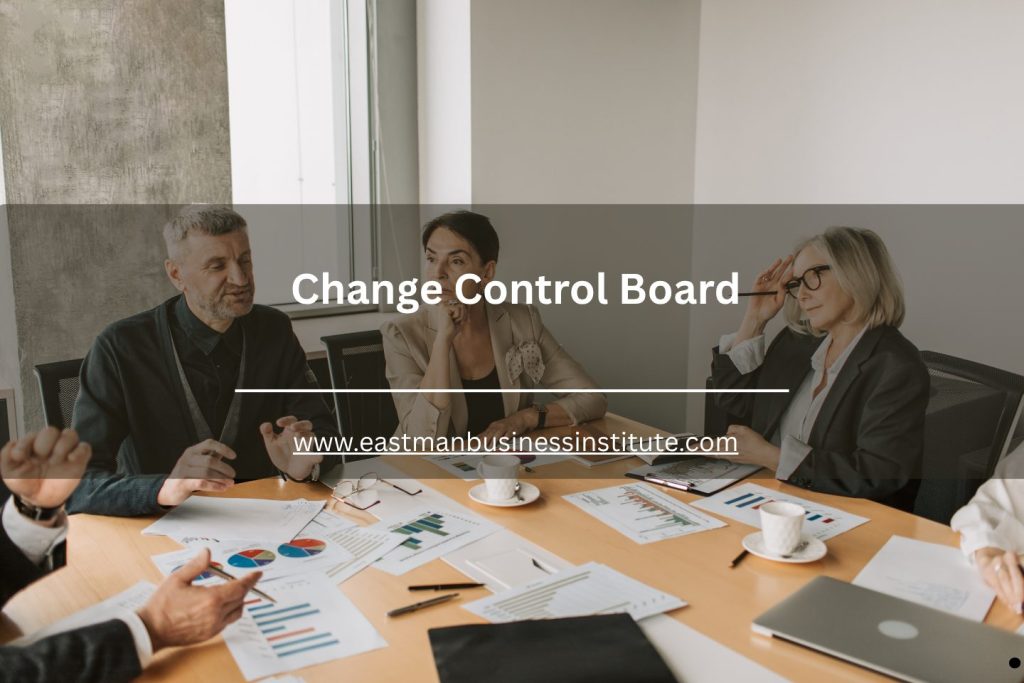
You’ll find that the CCB typically consists of stakeholders, project managers, and subject matter experts, all collaborating to maintain control over project modifications.
Engaging with the CCB can streamline communication and facilitate transparency, which ultimately leads to successful project execution.

Key Responsibilities of a Change Control Board
While managing project changes can be challenging, the Change Control Board (CCB) is essential in ensuring that modifications align with project goals.
You’ll find that one of the CCB’s key responsibilities is to review and evaluate change requests. This involves assessing the potential impact on project scope, budget, and timeline.
Additionally, the CCB communicates decisions effectively to all stakeholders, ensuring everyone stays informed. It also prioritizes changes based on urgency and relevance, helping you allocate resources efficiently.
The board monitors the implementation of approved changes, verifying that they’re executed as planned.
Lastly, the CCB fosters a collaborative environment, encouraging team members to share insights and concerns regarding proposed changes. This proactive approach keeps your project on track.
The Change Control Process
Effective management of change requests relies on a structured change control process. Start by identifying the need for change and documenting the request. Ensure you gather all relevant details, such as the impact on the project scope, timeline, and budget.
Next, assess the change’s feasibility by analyzing its potential risks and benefits. Once you’ve evaluated the request, present it to the Change Control Board for review. They’ll decide whether to approve, reject, or request more information.
If approved, update all project documentation and communicate the changes to the team. Finally, monitor the implementation to ensure it aligns with the project goals. Following this process keeps everything organized and minimizes disruption, helping you achieve project success.
Tools and Techniques for Effective Change Management
To successfully manage change, you need the right tools and techniques at your disposal. First, leverage project management software to track changes and their impacts efficiently. This ensures everyone stays on the same page.
Next, establish a clear communication plan. Regular updates keep stakeholders informed and engaged, minimizing resistance.
Utilize risk assessment tools to identify potential issues early, allowing you to mitigate them proactively. A structured change request form helps streamline submissions and decisions, while a collaborative platform fosters teamwork and transparency.
Lastly, training sessions equip your team with the skills they need to adapt. By integrating these tools and techniques, you’ll create a smoother transition and enhance overall project success. Additionally, understanding the ADKAR model can provide a structured approach to guide your team through the change process effectively.
Effective change management is all about preparation and collaboration.

A Change Control Board (CCB) is crucial in project management because it ensures that changes are systematically evaluated and implemented.
By having a dedicated team to assess proposed changes, you minimize the risk of scope creep and maintain project integrity. The CCB helps you prioritize changes based on their impact and urgency, allowing for informed decision-making.
This process fosters accountability among team members, as everyone understands the criteria for approving changes. Additionally, a CCB enhances communication across departments, ensuring everyone is on the same page.
With a structured approach to managing changes, you’re more likely to meet project deadlines and stay within budget, ultimately leading to successful project outcomes and satisfied stakeholders.
Steps to Establish a Change Control Board
Establishing a Change Control Board (CCB) requires careful planning and organization to ensure it functions effectively.
First, identify key stakeholders who’ll contribute valuable insights. These members should represent various departments and have a stake in project outcomes.
Next, define the CCB’s purpose and scope; clarify what types of changes require review and approval.
After that, establish a clear process for submitting change requests, including standardized forms and timelines.
Schedule regular meetings to review requests, making sure to document decisions and rationales.
Finally, communicate the CCB’s role and processes to all team members, ensuring everyone understands how to engage with the board.
With these steps, you’ll create a CCB that enhances project adaptability and success.
Best Practices for Effective Change Management
After setting up your Change Control Board, it’s time to focus on implementing effective change management practices.
Start by clearly defining the scope and objectives of each change. Make sure all stakeholders are engaged and informed throughout the process.
Regularly review and prioritize change requests to ensure alignment with your project goals. Establish a systematic approach for assessing risks and impacts before making decisions.
Document all changes thoroughly, including reasons for approval or rejection, to maintain transparency. Encourage open communication among team members to address concerns swiftly.
Finally, measure the outcomes of implemented changes to learn from successes and mistakes, refining your approach over time. Additionally, applying a structured change management process can facilitate smooth transitions and ensure successful change adoption.
Common Challenges Faced by Change Control Boards
While implementing a Change Control Board can streamline processes, it’s not without its challenges. You might struggle with resistance from team members who feel their autonomy is being compromised.
Additionally, if communication isn’t clear, misunderstandings can lead to delays or conflicts. Another common hurdle is balancing the workload; too many changes can overwhelm the board, causing important decisions to be postponed.
You may also find it difficult to maintain consistent attendance from members, which can disrupt continuity and decision-making.
Lastly, establishing clear criteria for evaluating change requests is crucial; without this, you could face inconsistencies that undermine the board’s effectiveness.
Recognizing these challenges can help you navigate and improve the Change Control Board’s operations.
Measuring the Success of a Change Control Board

Measuring the success of a Change Control Board (CCB) hinges on clear metrics that evaluate its impact on project outcomes.
You’ll want to track key performance indicators, such as the number of changes approved versus rejected, the time taken for decision-making, and the alignment of changes with project goals.
Additionally, gather feedback from stakeholders to assess satisfaction with the CCB’s effectiveness. Regularly reviewing project timelines and budgets before and after implementing changes can also provide insight into the CCB’s overall influence.
By establishing baseline metrics and comparing them post-intervention, you can identify areas for improvement.
Ultimately, a successful CCB should streamline processes, reduce risks, and enhance project delivery without compromising quality.
Conclusion
In conclusion, a Change Control Board is essential for maintaining project integrity and managing scope effectively. By understanding its role and responsibilities, you can foster better communication and informed decision-making among stakeholders. Establishing best practices and tackling common challenges will enhance your CCB’s effectiveness. Ultimately, prioritizing changes through a well-functioning board ensures your projects stay on track, within budget, and meet their objectives. Embrace the CCB to drive your project’s success.
Frequently Asked Questions
What is a Change Control Board?
A Change Control Board (CCB) is a group of stakeholders, managers, and subject matter experts responsible for reviewing, evaluating, approving, or rejecting proposed project changes. The board helps ensure that changes align with project goals, budgets, timelines, and organizational objectives.
Why is a Change Control Board important in project management?
A Change Control Board helps organizations maintain project stability by controlling scope changes, minimizing risks, improving decision-making, and ensuring that all modifications are properly reviewed before implementation. This process helps prevent delays, budget overruns, and miscommunication.
Who should participate in a Change Control Board?
A Change Control Board typically includes project managers, department leaders, technical experts, stakeholders, quality assurance professionals, and executives who are involved in project oversight and strategic decision-making.
What types of changes are reviewed by a Change Control Board?
A Change Control Board reviews changes related to project scope, schedules, budgets, resources, technical requirements, compliance issues, risk management, and operational processes to determine their impact on project success.
How does a Change Control Board improve project outcomes?
A Change Control Board improves project outcomes by providing structured change evaluation, reducing unnecessary disruptions, improving communication, enhancing accountability, and ensuring that approved changes support overall business and project objectives.