
In today’s fiercely competitive business landscape, the quest for operational excellence and unparalleled efficiency is no longer just an ambition—it’s a necessity. Building a Business Case for six sigma not only serves as an enlightening beacon for organizations striving for peak performance but also underscores the transformative power of the Six Sigma tool.
Building a business case for Six Sigma demonstrates how integrating its data-driven methodology reduces defects, improves efficiency, and boosts customer satisfaction, ultimately driving significant cost savings and strengthening the bottom line.
At its core, Six Sigma is more than a mere methodology; it’s a strategic compass guiding businesses toward process perfection, customer satisfaction, and a robust bottom line. This article aims to unravel the compelling reasons behind integrating Six Sigma into your business strategy, demonstrating how this meticulous approach to quality control and process improvement can be the game-changer your organization needs.
Read more about Building a Business Case for Six Sigma
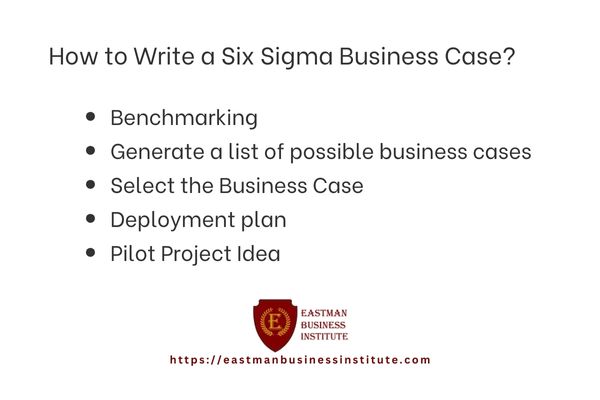
Join us as we delve into the intricacies of building a persuasive business case for Six Sigma, showcasing its unparalleled ability to foster operational excellence, minimize defects, and propel businesses toward their zenith of efficiency and quality.
More Things To Know About Building a Business Case for Six Sigma

Understanding Six Sigma
Six Sigma is a powerful methodology used to improve business processes and achieve operational excellence.
It was developed by Motorola in the 1980s and has since been adopted by numerous organizations worldwide.
The term ‘Six Sigma’ refers to a statistical measure that represents a near-perfect level of quality, with only 3.4 defects per million opportunities.
Six Sigma projects are driven by data analysis and the use of various tools to identify and eliminate process variations.
This approach allows businesses to achieve significant cost savings, improve customer satisfaction, and enhance overall efficiency.
Principles of Six Sigma
The principles of Six Sigma are essential for achieving the desired financial benefits and successfully completing projects. A project charter is crucial for outlining the strategic objectives and setting the direction for the Six Sigma initiative. It serves as a roadmap, defining the scope, goals, and timeline of the project.
Adhering to the principles of Six Sigma, such as focusing on customer needs and data-driven decision-making, ensures that the project stays on track and delivers results. Success factors include strong leadership support, effective communication, and a culture of continuous improvement.
The DMAIC Process in Six Sigma
Start by familiarizing yourself with the dmaic process in Six Sigma to gain a comprehensive understanding of this methodology and its application in improving business processes.
The DMAIC process, which stands for Define, Measure, Analyze, Improve, and Control, is the core framework used in Six Sigma projects. It provides a structured approach to problem-solving and process improvement.
Define involves clearly defining the problem and creating a project charter.
The measure phase focuses on collecting data to understand the current state of the process.
Analyze is where data is analyzed to identify the root causes of the problem.
In the Improve phase, potential solutions are implemented and tested.
Control ensures that the improvements are sustained and monitored over time.
The Importance of Six Sigma in Business
Six Sigma plays a crucial role in enhancing business processes, improving quality and efficiency, and reducing errors and waste.
By implementing Six Sigma methodologies, businesses can achieve higher levels of customer satisfaction, increased profitability, and a competitive advantage in the market.
Enhancing Business Processes
Implementing Six Sigma in your business can significantly enhance your business processes. By incorporating Six Sigma methodologies, such as Lean Six Sigma, you can achieve improved customer satisfaction and operational efficiency.
One of the critical success factors of Six Sigma is having trained professionals known as black belts who lead and execute Six Sigma projects. These black belts work closely with the process owners to identify and eliminate defects, reduce variability, and optimize processes.
Integrating Six Sigma into your business strategy can help in streamlining operations, reducing costs, and increasing productivity. By focusing on data-driven decision making and continuous improvement, Six Sigma can drive significant improvements in your business processes, leading to enhanced overall performance and success.
Improving Quality and Efficiency
Incorporating Six Sigma methodologies can significantly improve the quality and efficiency of your business processes. Six Sigma is an improvement strategy that focuses on reducing defects and variations in processes, ultimately leading to better quality and increased efficiency.
By implementing Six Sigma, you can identify and eliminate process inefficiencies, streamline operations, and improve customer satisfaction. Lean Six Sigma, a combination of Lean Manufacturing and Six Sigma, further enhances efficiency by eliminating waste and optimizing resources.
A project charter is a crucial component of Six Sigma, as it outlines the project goals, scope, and timeline. By using Six Sigma techniques such as statistical analysis and process mapping, you can identify areas for improvement and implement effective solutions to enhance the overall quality and efficiency of your business.
Incorporating Six Sigma into your business case will demonstrate your commitment to continuous improvement and ensure long-term success.
Reducing Errors and Waste
Reducing errors and waste is a key aspect of implementing Six Sigma in your business. By adopting Six Sigma methodologies, you can identify and eliminate defects in your processes, leading to improved efficiency and higher quality outputs. Six Sigma provides a structured approach to problem-solving, focusing on data-driven decision making and process improvements.
By implementing Six Sigma, you can achieve financial benefits through reduced costs, increased productivity, and improved customer satisfaction. With Six Sigma, you can analyze your current processes, identify areas of improvement, and implement performance improvement initiatives.
A project charter is typically used to define the objectives and scope of your Six Sigma initiatives, ensuring that you stay focused on reducing errors and waste in a systematic and measurable way.
Building a Business Case for Six Sigma
You need to start by identifying the need for Six Sigma within your organization, and pinpointing areas that require improvement.
Assess your current business processes to understand the challenges and opportunities for implementing Six Sigma.
Identifying the Need for Six Sigma
You can identify the need for Six Sigma by conducting a thorough analysis of your organization’s current processes and performance.
This analysis will help you understand the areas where Six Sigma can bring the most value. Start by examining your organization’s key metrics and performance indicators to identify any areas of concern or underperformance. Look for patterns of inefficiency, defects, or variation that may be negatively impacting your business outcomes.
Consider customer feedback, complaints, and satisfaction levels to gain insights into areas that require improvement. It’s important to gather data and facts to support your case for implementing Six Sigma.
Assessing the Current Business Process
To assess the current business process and build a compelling business case for Six Sigma, begin by conducting a comprehensive analysis of your organization’s operations and performance.
This step is crucial in understanding the strengths and weaknesses of your current processes. Assess the efficiency and effectiveness of each process, identifying areas for improvement and potential bottlenecks.
Evaluate the quality of your outputs and customer satisfaction levels to determine if there are any gaps that need to be addressed. Additionally, gather data on key performance indicators such as cycle time, defect rates, and customer complaints.
Setting Objectives for Six Sigma Implementation
Start by clearly defining your objectives for implementing Six Sigma within your organization. Setting objectives is crucial in building a strong business case for Six Sigma. Identify specific areas where you want to improve efficiency, reduce defects, or enhance customer satisfaction. These objectives should align with your overall business goals and address key pain points.
Once you have defined your objectives, it’s important to create a project charter that outlines the scope, timeline, and expected outcomes of the implementation. Assemble dedicated project teams to ensure proper execution and accountability.
The Financial Impact of Six Sigma
One of the main benefits of Six Sigma is the cost savings it can bring. By identifying and eliminating defects and waste, you can significantly reduce operating costs and improve overall efficiency.
Implementing Six Sigma can lead to a positive return on investment (ROI) as you streamline processes and improve customer satisfaction.
To support these claims, we’ll also discuss real-life case studies of successful Six Sigma implementations and the financial results they achieved.
Cost Savings from Six Sigma Implementation
Implementing Six Sigma can result in significant cost savings for your organization.
By adopting the Six Sigma methodology, your company can identify and eliminate defects, errors, and inefficiencies in your processes, leading to improved financial performance.
Six Sigma implementation involves creating project charters and using tools and techniques to measure, analyze, improve, and control processes.
By implementing Six Sigma, you can reduce defects and errors, which in turn leads to decreased rework, scrap, and customer complaints. This leads to cost savings by reducing waste and improving overall process efficiency.
Lean Six Sigma project charters can also help identify cost-reduction opportunities and improve project business cases.
Investing in Six Sigma implementation can bring substantial cost savings and enhance your organization’s financial performance.
Return on Investment (ROI) of Six Sigma
To calculate the return on investment (ROI) of Six Sigma, you need to assess the financial impact it has on your organization. Implementing Six Sigma can have a significant positive impact on your business by reducing costs, improving quality, and increasing customer satisfaction.
By focusing on process improvement and reducing defects, Six Sigma projects can lead to cost savings and increased efficiency. The ROI of Six Sigma is typically calculated by comparing the financial benefits of the project to the costs incurred in implementing it. This includes the costs of training, project management, and the time and resources invested in the project.
Steps to Implement Six Sigma in Business
The first step is training and certifying Six Sigma professionals who’ll lead the implementation process.
Next, you need to carefully select Six Sigma projects that align with your business goals and have the potential for significant improvements.
Lastly, it’s crucial to continuously monitor and evaluate the implementation to ensure its effectiveness and make any necessary adjustments.
Training and Certifying Six Sigma Professionals
When implementing Six Sigma in your business, it’s essential to invest in the training and certification of your professionals. Providing proper training and certification ensures that your employees have the necessary skills and knowledge to effectively implement Six Sigma methodologies within your organization.
Green Belt training is typically the first step in this process, equipping individuals with the foundational understanding of Six Sigma principles. As employees gain experience and proficiency, they can pursue Six Sigma Black Belt certification, which signifies their ability to lead complex improvement projects.
For those who aspire to become experts in Six Sigma, pursuing Six Sigma Master Black Belt certification is recommended. By investing in Six Sigma training and certification, you’re equipping your professionals with the tools they need to drive continuous improvement and achieve measurable results within your business.
Selecting Six Sigma Projects
To effectively implement Six Sigma in your business, it’s crucial to carefully select the Six Sigma projects that will yield the greatest impact and align with your organization’s strategic goals.
The first step in selecting Six Sigma projects is to develop a comprehensive business case that outlines the potential benefits and return on investment. This business case should include a detailed analysis of the current state of the process, the potential improvement opportunities, and the estimated cost savings.
Once the business case is complete, you can use a project charter template to define the project scope, objectives, and deliverables.
Next, assemble a project team consisting of individuals with the necessary skills and expertise to execute the project. It’s important to clearly define the project objectives and ensure that they’re aligned with the overall goals of the organization.
Monitoring and Evaluating Six Sigma Implementation
After developing a comprehensive business case and selecting the appropriate Six Sigma projects, it’s crucial to continuously monitor and evaluate the implementation process to ensure its effectiveness and success.
Monitoring and evaluating the implementation of Six Sigma involves several key steps.
First, a control plan should be developed to establish guidelines and procedures for monitoring the project. This plan should include metrics and targets to measure the progress and success of the project.
Second, regular communication and feedback from the customer should be obtained to ensure that their requirements and expectations are being met.
Third, regular progress reviews with the project sponsor and senior management should be conducted to ensure alignment with the overall goals of the organization.
Challenges and Solutions in Six Sigma Implementation
Implementing Six Sigma can be challenging, but by being aware of these obstacles and having a plan in place, you can ensure a successful implementation.
We’ll also discuss the lessons learned from previous Six Sigma implementations to help you avoid making the same mistakes.
Common Obstacles in Six Sigma Implementation
When implementing Six Sigma, you may encounter common obstacles that can hinder the success of your project.
In the define phase, one of the challenges you might face is accurately defining the problem statement. This requires clear communication and alignment among team members to ensure everyone understands the objectives and scope of the project.
In the measure phase, a common obstacle is gathering accurate data for analysis. This can be overcome by implementing proper data collection techniques and ensuring the data is reliable and representative of the process.
During the root cause analysis, it’s important to identify the underlying causes of the problem accurately. Developing effective strategies and implementing a control plan can help prevent future issues.
Strategies to Overcome Six Sigma Challenges
To overcome common obstacles in Six Sigma implementation, you can employ effective strategies and solutions.
Building a business case for Six Sigma is crucial in garnering support and resources for the implementation process.
One strategy is to provide comprehensive black belt training to key individuals, such as project champions, team leaders, and green belts. This training equips them with the necessary skills and knowledge to lead successful Six Sigma projects.
Organizations can designate a master black belt who serves as a mentor and coach for the project team. This ensures that the team has access to expert guidance throughout the implementation process.
Lessons Learned from Six Sigma Implementations
One key challenge in Six Sigma implementation is managing resistance to change. Employees may be hesitant to adopt new processes or methodologies, fearing that it may disrupt their routine or job security. To overcome this challenge, it’s important to communicate the benefits of Six Sigma, emphasizing how it can improve efficiency, reduce errors, and enhance customer satisfaction.
Another lesson learned is the importance of having control over the implementation process. This includes clearly defining customer requirements, establishing metrics to measure progress, and conducting a pilot project to test the methodology in a controlled environment.
Continuous improvement is crucial in Six Sigma implementation. Organizations should learn from their experiences and adapt their approach accordingly, using lessons learned to refine their processes and achieve better results.
The Future of Six Sigma
As you look ahead to the future of Six Sigma, it’s important to consider its role in the digital age. How can Six Sigma adapt and thrive in an increasingly technology-driven world?
The integration of artificial intelligence into Six Sigma practices is a topic worth exploring, as it has the potential to revolutionize the way data is analyzed and decisions are made.
Case studies of innovative Six Sigma applications can provide valuable insights into the practical application of Six Sigma in various industries and highlight its potential for continued success.
The Role of Six Sigma in the Digital Age
In the digital age, Six Sigma plays a crucial role in driving business efficiency and effectiveness. As technology continues to advance at a rapid pace, organizations must adapt to stay competitive. Six Sigma provides a framework for process improvement and problem-solving, enabling businesses to streamline operations and enhance customer satisfaction.
In the context of building a business case for Six Sigma, it’s important to recognize the role it plays in the digital age. With the increasing reliance on digital technologies and data analytics, Six Sigma helps businesses make data-driven decisions and identify areas for improvement.
Six Sigma and Artificial Intelligence
You can leverage the power of artificial intelligence to enhance the effectiveness of Six Sigma in the digital age.
Incorporating artificial intelligence into the Six Sigma methodology can provide significant benefits to businesses. Artificial intelligence can help with data analysis, prediction modeling, and decision-making, allowing for more accurate and efficient process improvements.
By using AI algorithms, businesses can analyze large datasets and identify patterns and trends that may not be easily detected by human analysts.
This integration of artificial intelligence with Six Sigma can also improve business process management by automating repetitive tasks, reducing errors, and increasing overall efficiency.
As industry trends continue to evolve, the integration of lean and Six Sigma principles with artificial intelligence will be critical for businesses looking to stay competitive and achieve critical success.
Frequently Asked Questions (FAQs)
What Is the History of Six Sigma, and How Has It Evolved Over Time?
The history of Six Sigma dates back to the 1980s and has since evolved into a widely adopted methodology for improving business processes. It has been refined and expanded over time to include various tools and techniques for quality management.
What Are Some Examples of Successful Companies That Have Implemented Six Sigma and Achieved Significant Results?
Some examples of successful companies that have implemented Six Sigma and achieved significant results include General Electric and Motorola. They have seen improvements in efficiency, cost reduction, and customer satisfaction.
Are There Any Specific Industries or Sectors Where Six Sigma Is More Commonly Used?
In certain industries or sectors, Six Sigma is more commonly used to improve processes and achieve significant results. It can be particularly beneficial in manufacturing, healthcare, finance, and telecommunications, among others.
How Long Does It Typically Take to See the Benefits and Returns on Investment From Implementing Six Sigma?
Typically, you’ll start seeing the benefits and returns on investment from implementing Six Sigma within a few months. It’s important to stay committed and consistently monitor progress to maximize the impact.
Are There Any Potential Drawbacks or Limitations of Implementing Six Sigma in a Business?
Yes, there can be drawbacks and limitations to implementing Six Sigma in your business. It may require significant time, resources, and employee training, and some employees may resist the changes.