
Change is never easy, especially in the workplace. Regarding improving how a company runs, people often worry about new methods and what they might bring. This is where Six Sigma comes in. It’s a set of techniques that help businesses make significant improvements in their operational efficiency by focusing on key performance indicators. One major hurdle is avoiding resistance to change during Six Sigma projects. If not handled well, this resistance can prevent a company from reaching its full potential.
Read more about Avoiding Resistance to Change During Six Sigma Projects
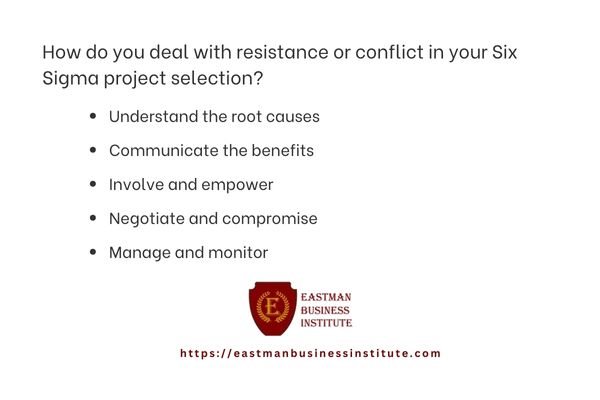
Let’s look into how to manage this challenge effectively and ensure a smooth transition to better practices.
More Things To Know About Avoiding Resistance to Change During Six Sigma Projects
Understanding Resistance to Change
Understanding resistance to change is necessary for successfully moving through Six Sigma projects. Change resistance refers to the reluctance or opposition encountered during the change process.
It can manifest in many forms, such as skepticism, fear of the unknown, or attachment to the current ways of working. Individuals may resist change due to concerns about job security, loss of control, or uncertainty about their roles in the new setup.
Recognizing the nature of resistance is critical for addressing it effectively and ensuring a smooth shift. By acknowledging the reasons behind resistance and addressing them proactively, you can mitigate its impact on the project and increase the likelihood of successful implementation.
Common Causes of Resistance to Change in Six Sigma Projects
Resistance to change in Six Sigma projects commonly arises from a variety of underlying causes that must be identified and addressed for successful implementation. Common causes of resistance include fear of the unknown, lack of communication, inadequate change management strategies, and employee insecurity about their roles in the process improvement.
Fear of change can stem from uncertainty about how the new processes will affect job responsibilities or job security. Insufficient communication about the reasons for change, potential benefits, and how employees will be involved can lead to resistance.
Effective change management practices, clear communication, and involving employees in the process can help guarantee smoother implementation of Six Sigma projects.
The Role of Six Sigma in Change Management
Six Sigma plays an important role in change management by providing structured methodologies to identify and address issues.
The DMAIC process, which stands for Define, Measure, Analyze, Improve, and Control, is particularly effective in managing change within Six Sigma projects.
Understanding how Six Sigma aligns with change management can improve project success and facilitate smoother shifts.
Six Sigma as a Change Management Tool
When implementing change within an organization, Six Sigma serves as a powerful tool for managing the transformation process effectively. By integrating Six Sigma methodologies into change management practices, companies can streamline processes, improve quality, and drive sustainable results.
Six Sigma provides a structured approach to problem-solving and data-driven decision-making, which are vital elements in managing change successfully. Through the systematic DMAIC (Define, Measure, Analyze, Improve, Control) process, Six Sigma enables organizations to identify root causes of problems, implement changes efficiently, and monitor progress to guarantee long-term success.
The DMAIC Process and Change Management
Implementing the DMAIC process in change management projects can greatly improve organizational efficiency and drive sustainable improvements. When starting on Six Sigma projects, integrating the DMAIC methodology guarantees a structured approach to managing change.
Define the problem at hand clearly to align everyone’s understanding. Measure the current processes to establish a baseline for improvement and quantify the impact of changes. Analyze data meticulously to identify root causes of inefficiencies or bottlenecks.
Improve processes by implementing solutions that address the identified issues effectively. Control the newly improved processes by setting up monitoring systems to sustain the improvements made. By following the DMAIC process in change management, Six Sigma projects can navigate transformations smoothly and achieve lasting results.
Identifying Signs of Resistance in Six Sigma Projects
When starting a Six Sigma project, keep an eye out for early warning signs of resistance from team members or stakeholders. Recognizing these signs promptly is important as resistance can greatly impact the progress and success of your project.
Stay vigilant and address any signs of resistance proactively to guarantee smoother project implementation.
Early Warning Signs of Resistance
To effectively manage resistance in Six Sigma projects, it’s important to spot early warning signs indicating potential obstacles to change. In the context of process optimization and continuous improvement, signs of resistance may manifest as team members expressing reluctance to adopt new methodologies or suggesting reverting to old practices.
Another warning sign could be a lack of engagement or participation in project meetings or training sessions related to Six Sigma initiatives. Resistance might also be present if there’s a sudden increase in errors or delays in project tasks without a clear guarantee.
Impact of Resistance on Project Progress
Spotting early warning signs of resistance in Six Sigma projects is important for project leaders to understand the impact on project progress. Resistance can hinder the successful implementation of quality improvement initiatives, impacting customer satisfaction and operational excellence. Identifying signs of resistance early allows for timely interventions to address issues and keep the project on track.
Some common signs of resistance in Six Sigma projects include increased conflicts among team members, lack of enthusiasm towards project goals, frequent complaints, and reluctance to adopt new processes. By recognizing these indicators promptly and taking proactive measures to mitigate resistance, project leaders can maintain momentum and drive towards achieving the desired outcomes.
| Signs of Resistance in Six Sigma Projects |
|---|
| Increased conflicts among team members |
| Lack of enthusiasm towards project goals |
| Frequent complaints |
| Reluctance to adopt new processes |
| Resistance to change |
Strategies to Overcome Resistance in Six Sigma Projects
To successfully overcome resistance in your Six Sigma projects, focus on communication strategies that emphasize change management. Encourage involvement and participation techniques that foster collaboration. Establish training and support mechanisms to address any skill gaps.
Communication Strategies for Change Management
In implementing Six Sigma projects, effective communication strategies play an important role in overcoming resistance to change. During Six Sigma implementation, it’s vital to keep all stakeholders informed about the reasons for the changes, the benefits they’ll bring, and the progress of the project.
Clear and transparent communication helps in addressing any misunderstandings or fears that may arise among team members. Utilizing different communication channels such as team meetings, emails, and progress reports can make sure that everyone is on the same page and feels involved in the process.
Encouraging open dialogue and actively listening to concerns can further improve the effectiveness of communication strategies in managing change during Six Sigma projects.
Involvement and Participation Techniques
Utilizing active involvement and participation techniques is necessary for overcoming resistance in Six Sigma projects.
Involving team members in lean Six Sigma methodologies fosters a sense of ownership and commitment to the project’s success.
Encouraging open communication channels where team members can voice their concerns and suggestions helps in creating a collaborative environment.
By actively involving employees at all levels of the organization, you can tap into their expertise and insights, making them feel valued and engaged in the change process.
This not only helps in addressing resistance but also leads to smoother implementation of Six Sigma methodologies.
Training and Support Mechanisms
Engage team members through tailored training programs and dedicated support systems to effectively address resistance in Six Sigma projects. By providing thorough training on Six Sigma methodologies and tools, team members can improve their skills and confidence in executing project tasks.
Establishing robust support mechanisms, such as regular check-ins, mentoring, and access to resources, guarantees that team members feel supported throughout the project lifecycle. Encouraging knowledge sharing among team members fosters collaboration and a sense of community, reducing resistance stemming from fear or uncertainty.
Training sessions can also serve as a platform for open discussions and clarification of project goals, leading to a shared understanding and commitment to the project’s success. Prioritize ongoing training and support to create a positive environment conducive to change.
Lessons Learned: Highlights in Managing Resistance to Change
You need to understand that leadership plays a vital role in overcoming resistance to change.
Always prioritize continuous improvement when managing resistance in Six Sigma projects.
Keep in mind that empathy and understanding are valuable tools in addressing resistance effectively.
Importance of Leadership in Overcoming Resistance
Recognizing the important role of leadership is vital in effectively steering and overcoming resistance to change in Six Sigma projects. Strong leadership can inspire confidence, communicate the benefits of change, and address concerns that arise during the implementation of new processes.
Leaders must be visible, accessible, and open to feedback from team members to build trust and encourage buy-in. By actively involving employees in the change process and demonstrating a commitment to the project’s success, leaders can help minimize resistance and foster a culture of continuous improvement.
Effective leadership also involves setting clear goals, providing support, and recognizing and rewarding progress to sustain momentum and drive positive change within the organization.
The Role of Continuous Improvement in Change Management
In managing resistance to change, continuous improvement plays a pivotal role in driving organizational adaptability and growth. Accepting a culture of continuous improvement within change management processes allows for ongoing evaluation and improvement of strategies, ensuring that they remain effective and relevant.
By consistently seeking ways to optimize operations and refine approaches, organizations can better navigate shifts and minimize resistance. Continuous improvement fosters a mindset of flexibility and innovation, enabling teams to quickly adapt to new challenges and opportunities that arise during change initiatives.
Through this iterative process of learning and refinement, businesses can proactively address resistance, improve employee engagement, and achieve sustainable improvements in performance and outcomes within the dynamic landscape of change management.
The Value of Empathy and Understanding in Managing Resistance
Understanding and showing empathy towards individuals’ perspectives are necessary components in effectively managing resistance to change in Six Sigma projects. When employees resist changes in business processes or improvement efforts, it’s vital to listen to their concerns and acknowledge their feelings.
By demonstrating empathy, you can build trust and create a supportive environment for addressing resistance. Take the time to understand the reasons behind the resistance and communicate openly to address any misconceptions or fears.
Empathetic leadership can help employees feel heard and valued, increasing their willingness to participate in the change process. Remember, empathy is a powerful tool in steering resistance during Six Sigma projects, fostering collaboration, and ultimately driving successful outcomes.
Frequently Asked Questions
How Can Cultural Differences Impact Resistance to Change in Six Sigma Projects?
Cultural differences can influence resistance to change in Six Sigma projects. It’s vital to understand and address these variations through open communication, training, and fostering an inclusive environment to guarantee project success.
What Role Does Leadership Style Play in Managing Resistance to Change in Six Sigma Projects?
In managing resistance to change in Six Sigma projects, your leadership style plays a vital role. Your ability to communicate effectively, inspire trust, and adapt to diverse team dynamics can greatly influence project success.
How Can Communication Strategies Be Tailored to Address Resistance to Change in Six Sigma Projects?
Address resistance by fostering open dialogue, emphasizing benefits, and providing regular updates. Engage team members through transparent communication, active listening, and soliciting feedback. Tailor messages to highlight positive impacts and involve stakeholders in the change process.
What Are Some Common Misconceptions About Resistance to Change in Six Sigma Projects?
Common misconceptions about resistance to change in Six Sigma projects include viewing it solely as negative, ignoring underlying reasons, and assuming it can’t be overcome. Welcome change positively, address root causes, and implement effective strategies.
How Can the Success of Managing Resistance in One Six Sigma Project Be Applied to Future Projects?
When managing resistance in one Six Sigma project to success, apply those strategies to future projects. Build on lessons learned, communicate openly, involve stakeholders early, and adapt approaches based on feedback. Consistent application improves change management effectiveness.
| Related Term | Definition |
|---|---|
| Black Belt | A professional who is highly skilled in Six Sigma methodologies and leads project teams in process improvement initiatives. |
| Total Quality Management | A management approach focused on long-term success through customer satisfaction, involving all members of an organization in improving processes, products, services, and culture. |
| Alignment with Organizational Goals | The process of ensuring that all aspects of a business, including its strategies, operations, and employees, are working together to achieve the company’s objectives. |
| Robotic Process Automation | The use of software robots or artificial intelligence to automate routine and repetitive tasks, enhancing efficiency and reducing errors. |
| Avoid Common Pitfalls | Identifying and steering clear of frequent mistakes or obstacles that can hinder business processes and project outcomes. |
| Six Sigma | A data-driven methodology and set of tools for improving quality by identifying and eliminating defects in processes. |
| Change Management | The approach to transitioning individuals, teams, and organizations to a desired future state to achieve a specific business outcome. |
| Business Process Management | A discipline involving the modeling, analysis, design, and optimization of business processes to improve performance and achieve organizational goals. |
| Business Analytics | The practice of iterative, methodical exploration of an organization’s data with a focus on statistical analysis to drive decision-making. |
| Relevant Data | Information that is applicable and useful for decision-making, ensuring that analysis and strategies are based on accurate and pertinent data. |